🔍 Understanding Brown Spots on Your White Heath Leaves
Erica arborea
By the Greg Editorial Team
Oct 21, 2024•6 min read
This article was created with the help of AI so we can cover more plants for you. May contain errors. See one? Report it here.
Transform your White Heath's health by mastering the secrets to eliminating pesky brown spots! 🌱
- 🌱 Brown spots on white heath arise from fungi, bacteria, pests, or nutrient issues.
- 💧 Proper watering and drainage prevent overwatering and stress, reducing brown spots.
- 🔍 Regular monitoring for pests and environmental conditions is key to plant health.
Causes of Brown Spots
🦠 Fungal Infections
Fungal infections are a primary culprit behind brown spots on your white heath leaves. Common diseases like leaf spot disease and powdery mildew manifest as dark brown spots surrounded by yellow halos, often leading to leaf drop.
High humidity and poor air circulation create ideal conditions for these fungi to thrive. Keeping your plants in well-ventilated areas can help mitigate these risks.
🦠 Bacterial Infections
Bacterial issues, such as bacterial leaf blight, can also cause brown spots. These typically start as water-soaked spots that eventually turn brown, accompanied by wilting leaves.
Overwatering and wet foliage are conditions that favor bacterial growth. Ensuring proper watering practices can help prevent these infections.
🌪️ Environmental Stress
Environmental stressors can lead to brown spots as well. Drought stress often results in browning leaf tips and edges, signaling that your plant needs water.
On the flip side, excessively dry air can also cause brown spots due to humidity stress. Additionally, temperature fluctuations—whether extreme heat or cold—can damage leaves, making them more vulnerable.
🥦 Nutrient Deficiencies
Nutrient deficiencies can manifest as brown spots on your white heath leaves. A nitrogen deficiency typically results in yellowing leaves with brown spots, while potassium deficiency leads to browning edges and tips.
Soil testing is crucial for assessing nutrient levels. This proactive step can help you identify and address deficiencies before they become a problem.
🐜 Pest Infestations
Pest infestations are another factor to consider. Common pests like spider mites and aphids can cause yellowing leaves, webbing, and sticky residue on your plants.
These pests weaken plants, making them more susceptible to diseases. Regular monitoring can help you catch infestations early, ensuring your white heath remains healthy.
Understanding these causes is the first step in addressing brown spots effectively. Next, we'll explore how to diagnose the specific issues affecting your plants.
Diagnosing the Problem
Identifying Symptoms of Brown Spots 🌿
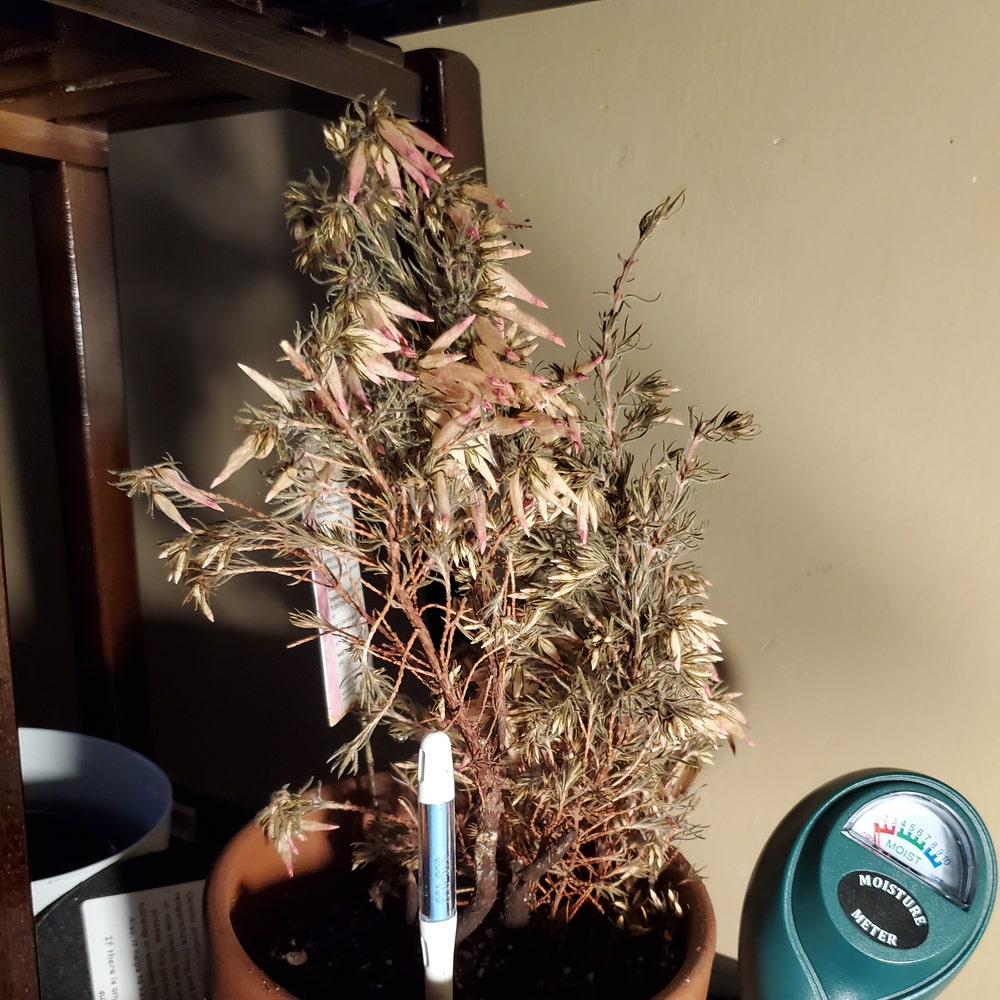
To effectively diagnose brown spots on your White Heath leaves, start with a visual inspection. Pay attention to the size, color, and pattern of the spots, as these details can provide crucial clues.
Next, observe any changes in leaf texture. Wilting or curling leaves often signal underlying issues that need addressing.
Differentiating Between Fungal and Bacterial Issues 🦠
Identifying whether the problem is fungal or bacterial is essential for effective treatment. Fungal infections typically present as dark, defined spots surrounded by yellow halos.
In contrast, bacterial issues manifest as water-soaked, irregular spots that may lead to wilting. Recognizing these signs can help you choose the right course of action.
Assessing Environmental Factors Affecting White Heath 🌍
Environmental factors play a significant role in the health of your White Heath. Start by checking soil moisture levels to determine if overwatering or drought is affecting your plant.
Additionally, monitor humidity and temperature in your area. These conditions can greatly influence the development of brown spots, so keeping an eye on them is crucial for maintaining plant health.
With a solid understanding of these diagnostic steps, you're well on your way to addressing the issues affecting your White Heath. Next, let’s explore treatment options to restore your plant's vitality.
Treatment Options
🌱 Organic Treatments for Fungal Infections
Organic solutions can effectively combat fungal infections on your White Heath.
Neem Oil
Neem oil is a popular choice due to its natural properties. Apply it every 7 to 14 days, ensuring you cover both the tops and undersides of the leaves for maximum effectiveness.
Baking Soda Solution
A simple baking soda solution can also help. Mix 1 tablespoon of baking soda with 1 gallon of water and spray it on affected areas every two weeks to prevent fungal growth.
⚗️ Chemical Treatments for Severe Infestations
For more severe cases, chemical treatments may be necessary.
Fungicides
Fungicides come in various forms, including sprays and granules. Follow the manufacturer's application guidelines closely to ensure safety and effectiveness.
Precautions
Always wear gloves and a mask when applying chemicals. Ensure proper ventilation and keep pets and children away during treatment.
💧 Adjusting Watering Practices
Proper watering is crucial for maintaining healthy White Heath plants.
Watering Frequency
Aim to water your White Heath deeply but infrequently, allowing the soil to dry out between waterings. This helps prevent both overwatering and drought stress.
Signs of Overwatering
Watch for yellowing leaves and a mushy stem, which indicate overwatering. Adjust your watering schedule accordingly to keep your plant thriving.
🌊 Improving Soil Drainage
Good drainage is essential for preventing root rot and other issues.
Soil Amendments
Consider adding sand or perlite to your soil mix to improve drainage. This will help create a well-aerated environment for your plant's roots.
Container Drainage
If your White Heath is in a pot, ensure it has adequate drainage holes. This allows excess water to escape, preventing soggy soil conditions.
🌿 Fertilization Strategies to Address Nutrient Deficiencies
Nutrient deficiencies can lead to brown spots, so proper fertilization is key.
Recommended Fertilizers
Use a balanced fertilizer with equal parts nitrogen, phosphorus, and potassium. Follow the recommended application rates on the package for best results.
Timing
Fertilize during the growing season, ideally in spring and early summer. This timing maximizes nutrient absorption and supports healthy growth.
By implementing these treatment options, you can effectively manage brown spots on your White Heath leaves. Next, let’s explore preventive measures to keep your plants healthy and vibrant.
Preventive Measures
Best Practices for Watering White Heath 🌊
Watering your White Heath correctly is crucial for its health. Aim for a consistent schedule, watering deeply but infrequently to encourage strong root growth.
Deep watering allows moisture to penetrate the soil, reaching the roots effectively. In contrast, surface watering can lead to shallow roots and increased vulnerability to drought.
Soil Preparation and Amendments 🏗️
Creating the right soil environment is essential. White Heath thrives in acidic, well-drained soils, so consider amending your soil with organic matter to enhance drainage.
Before planting, conduct a soil test to assess pH and nutrient levels. This step ensures your plants receive the right conditions for optimal growth.
Regular Monitoring for Pests and Diseases 🔍
Stay vigilant by inspecting your plants weekly. Early detection of pests or diseases can save your White Heath from significant damage.
Look for signs like discoloration, wilting, or unusual spots on leaves. Catching problems early makes treatment much easier.
Seasonal Care Tips to Prevent Brown Spots 🍂
Adjust your care routine with the changing seasons. As temperatures fluctuate, modify your watering and fertilization practices to meet your plant's needs.
Mulching is another effective strategy. It helps retain moisture and regulate soil temperature, creating a stable environment for your White Heath.
By implementing these preventive measures, you can significantly reduce the risk of brown spots and keep your White Heath thriving. Next, let’s explore how to diagnose the specific issues affecting your plant.
⚠️ Safety First
This content is for general information and may contain errors, omissions, or outdated details. It is not medical, veterinary advice, or an endorsement of therapeutic claims.
Always consult a qualified healthcare professional before using any plant as food, medicine, or supplement.
Never eat any plant (or feed one to pets) without confirming its identity with at least two trusted sources.
If you suspect poisoning, call Poison Control (800) 222-1222, the Pet Poison Helpline (800) 213-6680, or your local emergency service immediately.
Spotted an error? Please report it here.
Keep your white heath vibrant and spot-free 🌿 by using Greg's tailored watering reminders and care tips to tackle brown spots before they become a problem!