Signs Your White Heath Has Root Rot and How to Fix It 💧
Erica arborea
By the Greg Editorial Team
Oct 21, 2024•6 min read
This article was created with the help of AI so we can cover more plants for you. May contain errors. See one? Report it here.
Ensure your White Heath thrives 🌱 by mastering root rot prevention for lush, vibrant growth and lasting health!
- 💧 Overwatering and poor drainage are primary causes of root rot in White Heath.
- 🌱 Yellowing leaves and wilting signal root rot; inspect roots for decay.
- 🛠️ Treat root rot by trimming affected roots and using well-draining soil.
Causes of Root Rot Specific to White Heath
💧 Overwatering
Overwatering is a primary culprit behind root rot in White Heath. When the soil remains saturated, it deprives roots of oxygen, leading to decay.
🚰 Drainage Issues
Poor drainage exacerbates the problem. If water can’t escape, it pools around the roots, creating an ideal environment for rot.
🌱 Soil Moisture
White Heath thrives in well-drained soil with moderate moisture. Too much or too little moisture can stress the plant, making it susceptible to root rot.
🍄 Fungal Infections
Fungi like Phytophthora and Pythium are common offenders in root rot cases for Erica tetralix. These pathogens flourish in overly moist conditions, attacking weakened roots and causing further decline.
Understanding these causes is crucial for maintaining the health of your White Heath. By addressing these factors, you can prevent root rot and ensure your plant thrives.
Signs and Symptoms of Root Rot
👀 Visual Indicators
Yellowing Leaves
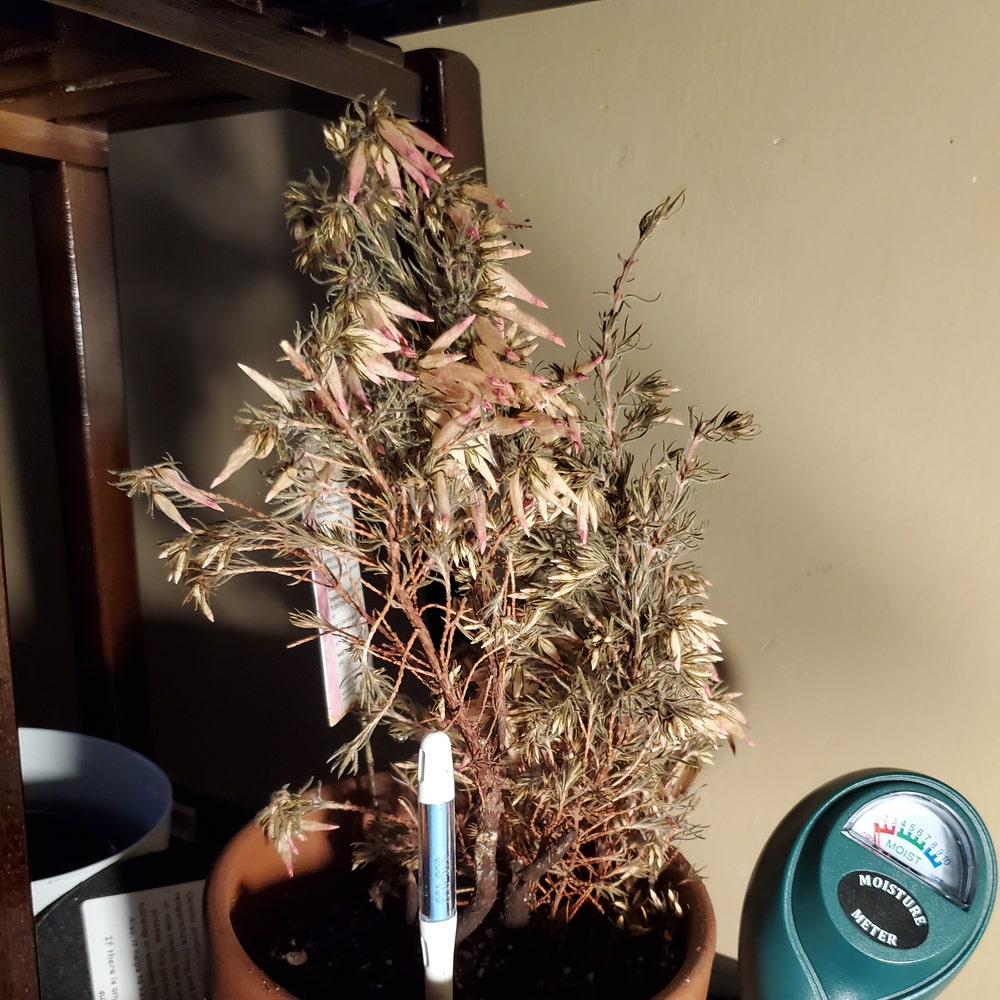
When your White Heath's leaves start to yellow, it's often a red flag. This discoloration typically signals that the roots are struggling, often due to excess moisture.
Wilting
Wilting can be deceptive; even if you’ve watered adequately, it may indicate root rot. This symptom suggests that the roots are unable to absorb water effectively, leading to a droopy appearance.
🔍 Root Examination
Color
Healthy roots should be a vibrant white or light tan. In contrast, rotting roots turn brown or black, indicating decay.
Texture
Feel the roots carefully. Firm, healthy roots are resilient, while soft, mushy roots are a sign of trouble and need immediate attention.
🏺 Soil Condition
Smell
A foul odor emanating from the soil is a clear sign of decay. This unpleasant smell often indicates that the roots are rotting and the soil is unhealthy.
Moisture Level
Check the soil moisture level regularly. Overly wet soil can suffocate roots, leading to root rot, so it’s crucial to ensure proper drainage and moisture balance.
Recognizing these signs early can make a significant difference in your plant's recovery. Next, let’s explore how to diagnose root rot effectively.
Diagnosing Root Rot
🕵️♂️ Step-by-Step Guide to Checking for Root Rot
Diagnosing root rot in your White Heath starts with a close inspection of the leaves. Look for yellowing and wilting, which can signal underlying issues.
Next, gently remove the plant from its pot. This allows you to examine the roots for color and texture, crucial indicators of health.
After that, take a moment to smell the soil. A foul odor often indicates decay, a telltale sign of root rot.
🛠️ Tools Needed for Diagnosis
To effectively diagnose root rot, gather a few essential tools. Clean pruning shears are vital for examining roots without introducing pathogens.
Gloves are also important to protect your hands from any harmful bacteria. Lastly, a moisture meter can help assess soil moisture levels accurately.
🔍 Differentiating Root Rot from Other Plant Issues
Understanding root rot symptoms is key to effective diagnosis. Compare the signs of root rot with other common issues like pests or nutrient deficiencies.
For instance, while yellowing leaves can indicate root rot, they may also signal a pest infestation or lack of nutrients. Knowing these distinctions helps you address the right problem.
By following these steps and using the right tools, you can effectively diagnose root rot in your White Heath. This proactive approach sets the stage for successful treatment and recovery.
Fixing Root Rot
Step-by-Step Treatment Process 🌱
Remove the Plant: Start by gently taking the plant out of its pot. This allows you to inspect the roots thoroughly.
Inspect the Roots: Look for any signs of decay. Use clean pruning shears to trim away any affected roots.
Discard Old Potting Mix: Get rid of the old potting mix to prevent any lingering pathogens from affecting the plant.
How to Remove Affected Roots ✂️
When cutting away rotting roots, be careful not to damage the healthy ones. Use sharp, clean shears and make precise cuts to ensure you only remove the affected areas.
Recommended Potting Mix and Repotting Techniques 🪴
For White Heath, an ideal potting mix is both acidic and well-draining.
- Choosing the Right Pot Size: Ensure the new pot is slightly larger than the root ball to allow for growth.
- Ensuring Proper Drainage: Always select pots with drainage holes to prevent water accumulation.
Watering Adjustments Post-Treatment 💧
After treatment, adjust your watering frequency. Allow the soil to dry out between waterings to promote healthy root recovery.
- Monitor Soil Moisture: Keep a close eye on moisture levels to avoid overwatering, which can lead to further issues.
By following these steps, you can effectively treat root rot and set your White Heath on the path to recovery. Next, let’s explore how to prevent root rot from occurring in the first place.
Preventing Root Rot
🌊 Best Practices for Watering White Heath
Watering your White Heath correctly is crucial to prevent root rot. Aim to water every 1-2 weeks, allowing the top inch of soil to dry out between sessions.
Recognizing the signs of adequate moisture is essential. If the leaves are vibrant and firm, you're likely on the right track. However, yellowing leaves or a soggy feel to the soil can indicate overwatering.
🚰 Importance of Proper Drainage
Proper drainage is a game changer for root health. Always choose pots with drainage holes to allow excess water to escape.
Additionally, using a well-draining potting mix is vital. This prevents water accumulation, which can lead to root rot.
🪴 Choosing the Right Pot and Soil Mix
Selecting the right pot material can make a difference. Terracotta pots are excellent for moisture control, while plastic pots retain more moisture.
For soil, aim for a mix that is acidic and well-draining. A combination of peat moss, pine bark, and perlite works wonders for White Heath.
🍂 Seasonal Care Tips to Avoid Overwatering
Adjust your watering practices with the seasons. In cooler months, your plant may need less water due to reduced evaporation.
Keep an eye on environmental conditions like humidity and temperature. These factors can significantly influence how often you should water your White Heath.
By following these preventive measures, you can help ensure your White Heath thrives and stays healthy. Next, we’ll explore how to monitor your plant's health after treatment for root rot.
Long-term Care for Healthy White Heath
Monitoring Plant Health After Treatment 🌱
After addressing root rot, keep a close eye on your White Heath. Regular checks for signs of recovery or any recurrence of root rot are essential.
New growth is a promising indicator of health. If you spot fresh leaves or shoots, it’s a good sign your plant is bouncing back.
Regular Maintenance Tips to Prevent Recurrence 🧹
Routine inspections are key to maintaining root health. Check both the roots and soil condition regularly to catch any issues early.
Adjust your care practices based on how your plant responds. If it seems to thrive with less water, adapt accordingly to prevent future problems.
Signs of Recovery and When to Expect Improvement 🎉
Recovery timelines can vary, but you should start seeing positive changes within a few weeks. Look for new growth and vibrant leaves as indicators of a thriving plant.
If your White Heath shows signs of improvement, celebrate those little victories! They signal that your efforts to combat root rot are paying off.
⚠️ Safety First
This content is for general information and may contain errors, omissions, or outdated details. It is not medical, veterinary advice, or an endorsement of therapeutic claims.
Always consult a qualified healthcare professional before using any plant as food, medicine, or supplement.
Never eat any plant (or feed one to pets) without confirming its identity with at least two trusted sources.
If you suspect poisoning, call Poison Control (800) 222-1222, the Pet Poison Helpline (800) 213-6680, or your local emergency service immediately.
Spotted an error? Please report it here.
Keep your White Heath thriving and root rot-free 🌿 by using Greg's tailored watering reminders and expert care tips to ensure your plant gets just the right amount of moisture!