Determining What Might Be Eating Your White Heath 🐞
Erica arborea
By the Greg Editorial Team
Oct 21, 2024•5 min read
This article was created with the help of AI so we can cover more plants for you. May contain errors. See one? Report it here.
Safeguard your white heath from herbivores while inviting beneficial wildlife for a flourishing garden! 🌼
- 🌸 White heath attracts wildlife, including pollinators and herbivores, vital for its ecosystem.
- 🦌 Deer, rabbits, and squirrels are major threats, leaving signs like droppings and chewed stems.
- 🚫 Effective deterrents include repellents, fencing, and noise tactics to protect your white heath.
Appearance and Appeal
🌸 Description
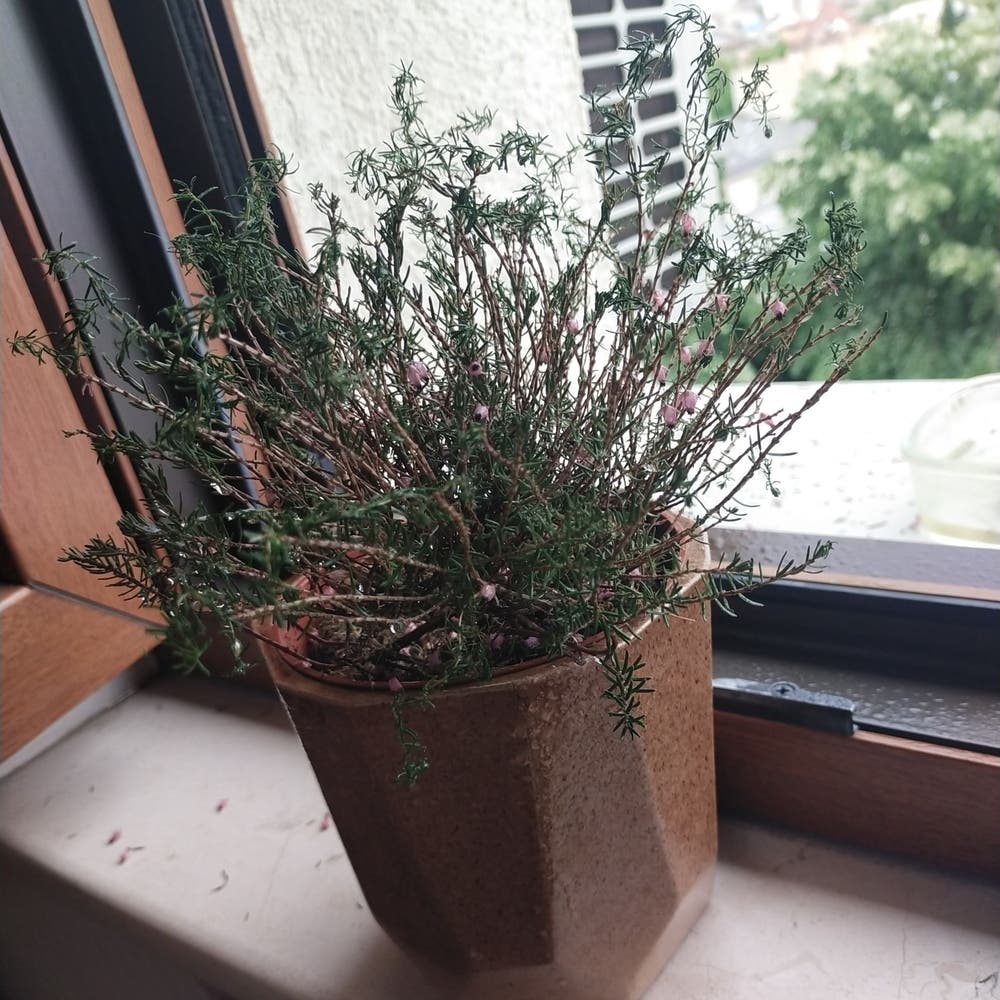
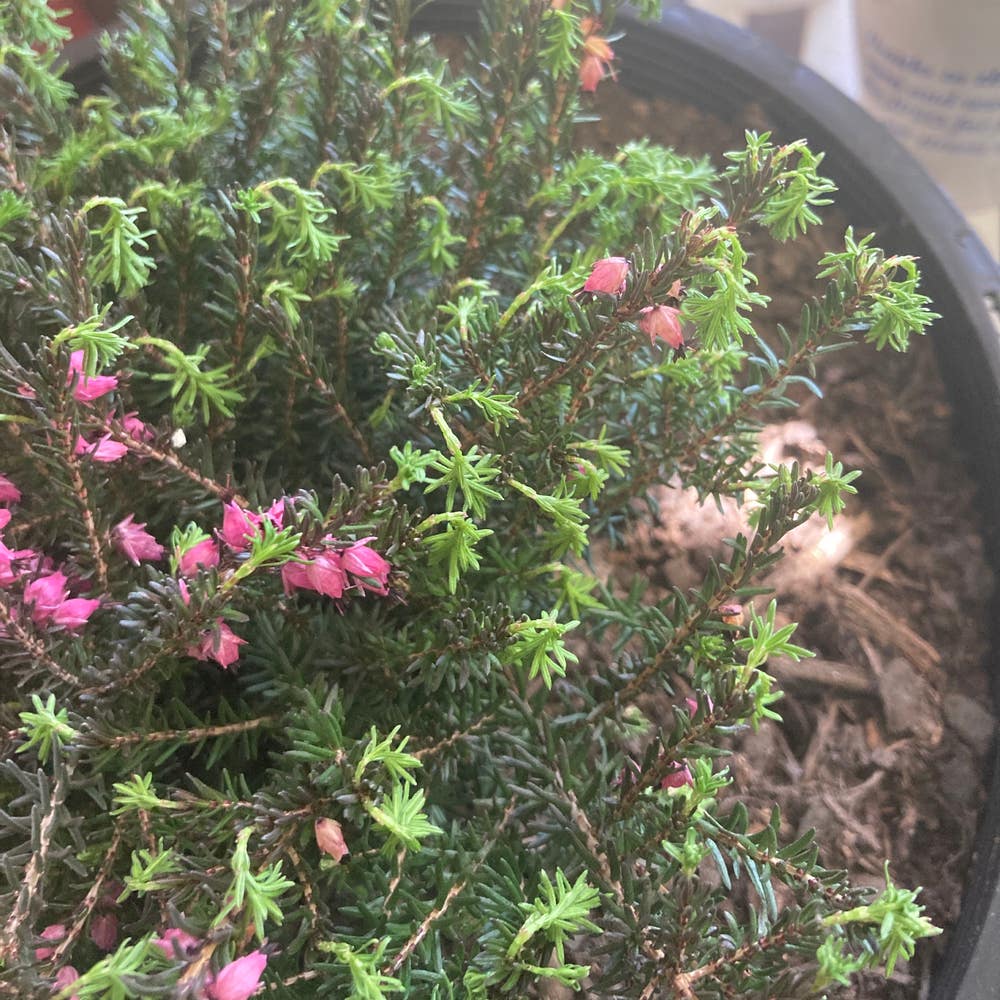
The white heath is a low-growing evergreen shrub that brings charm to any garden. Its small, bell-shaped flowers bloom in delightful shades of pink to purple, creating a vibrant display.
🍃 Foliage Features
This shrub features needle-like leaves that contribute to its dense growth habit. The lush foliage not only adds visual appeal but also provides a habitat for various wildlife.
🐾 Most Appealing Parts to Animals
Young shoots are particularly enticing, offering a tender texture and high nutritional value.
🌼 Floral Attraction
The flowers serve a dual purpose: they attract both pollinators and herbivores, making them a focal point in the ecosystem.
🍇 Nutrient-Rich Fruits
The fruits of the white heath are nutrient-rich, appealing to a variety of wildlife. This makes the plant a vital resource in its environment, supporting both animal life and plant propagation.
In summary, the white heath's beauty and nutritional offerings make it a magnet for both admiration and appetite. Understanding its appeal helps in managing its health against potential threats from herbivores.
Common Herbivores
🦌 Deer
Signs of Presence and Damage
Deer can be a significant threat to your white heath. Look for hoof prints in muddy areas and evidence of browsing, where leaves and young shoots are stripped clean.
Interaction Type
These creatures are generally harmful. If left unmanaged, they can decimate your plant populations.
Deterrent Methods
To keep deer at bay, consider using commercial deer repellents. Alternatively, plant deer-resistant species nearby or use human hair and soap as organic deterrents.
🐇 Rabbits
Signs of Presence and Damage
Rabbits leave small, round droppings near your plants. You might also notice cleanly cut stems and leaves, indicating their presence.
Interaction Type
Rabbits are generally harmful as they can lead to significant plant damage. Their nibbling can quickly add up.
Deterrent Methods
For a quick fix, use rabbit repellents containing predator urine. You can also install fencing that’s 2-3 feet high or plant rabbit-resistant varieties to deter them.
🐿️ Squirrels
Signs of Presence and Damage
Squirrels are notorious for chewing bark and stems. Look for nesting debris around the base of your plant as a telltale sign.
Interaction Type
These critters are generally harmful, causing structural damage to your white heath. Their gnawing can weaken the plant over time.
Deterrent Methods
Squirrel repellents can be effective in keeping them away. Additionally, consider installing squirrel-proof feeders or using noise deterrents to disrupt their activities.
🐦 Birds
Signs of Presence and Damage
Birds can be both friends and foes. Look for peck marks on flowers and fruits, as well as nesting activity nearby.
Interaction Type
Birds have a mixed impact; while some help pollinate, others may damage your flowers. It’s a delicate balance.
Deterrent Methods
Bird netting can provide a chemical barrier against damage. Organic scare tactics, like reflective tape or wind chimes, can also help keep them at bay.
🐭 Rodents (Mice, Voles, etc.)
Signs of Presence and Damage
Rodents often leave tunnels or burrows near your plants. You may also find gnawed roots and stems, indicating their presence.
Interaction Type
These pests are generally harmful and can undermine your plant's health. Their activities can lead to significant issues.
Deterrent Methods
Consider using rodent bait stations for chemical control. For an organic approach, traps and peppermint oil can serve as effective deterrents.
🦡 Groundhogs/Woodchucks
Signs of Presence and Damage
Groundhogs leave large burrows near the base of your plant. Look for extensive chewing on stems and foliage as signs of their activity.
Interaction Type
These animals are generally harmful and can severely damage or even kill your plant. Their appetite is voracious.
Deterrent Methods
For chemical deterrents, commercial groundhog repellents can be useful. Alternatively, fencing that’s 3-4 feet high or planting barriers of strong-smelling herbs can help keep them away.
Understanding these common herbivores is crucial for protecting your white heath. With the right strategies, you can enjoy a thriving garden while coexisting with wildlife. Next, let’s explore the beneficial animals that can enhance your garden ecosystem.
Beneficial Animals
Positive Impacts 🐾
While herbivores can pose challenges, not all wildlife is detrimental to your white heath. In fact, some animals play a crucial role in its health and growth.
Pollinators 🐝
Bees and butterflies are drawn to the small, bell-shaped flowers of the white heath. Their visits not only enhance the beauty of your garden but also ensure the plant's reproduction through effective pollination.
Seed Dispersers 🐦
Birds that feast on the nutrient-rich fruits of the white heath contribute to its propagation. As they consume the fruits, they help spread seeds, fostering new growth in surrounding areas.
These beneficial interactions highlight the importance of maintaining a balanced ecosystem. By understanding the roles of these animals, you can appreciate their contributions while managing any potential threats from herbivores.
Next, let’s explore some effective strategies for protecting your white heath from those pesky herbivores.
Ecological Role
🌱 Importance in Ecosystems
White heath plays a crucial role in its ecosystem. It provides habitat and food for various wildlife, creating a vibrant community around it.
The dense foliage offers shelter for small animals, while its flowers attract pollinators like bees and butterflies. These interactions are essential for maintaining biodiversity.
⚖️ Balancing Damage and Benefits
While herbivores can cause damage, they also play a vital role in the ecosystem. Recognizing their importance helps us understand the balance of nature.
To coexist with wildlife, consider strategies that protect your plants while supporting local fauna. This approach fosters a healthier environment for both plants and animals.
By appreciating the dual role of herbivores, we can cultivate a thriving garden that benefits all.
⚠️ Safety First
This content is for general information and may contain errors, omissions, or outdated details. It is not medical, veterinary advice, or an endorsement of therapeutic claims.
Always consult a qualified healthcare professional before using any plant as food, medicine, or supplement.
Never eat any plant (or feed one to pets) without confirming its identity with at least two trusted sources.
If you suspect poisoning, call Poison Control (800) 222-1222, the Pet Poison Helpline (800) 213-6680, or your local emergency service immediately.
Spotted an error? Please report it here.
Keep your white heath thriving 🌼 by using Greg's personalized care tips and reminders to fend off pesky wildlife like deer and rabbits!