💧 Why Does My Tree Heath Have Yellow Leaves?
Erica arborea
By the Greg Editorial Team
Mar 13, 2024•4 min read
This article was created with the help of AI so we can cover more plants for you. May contain errors. See one? Report it here.
Unravel why your Tree Heath's leaves turn yellow 🍂 and learn to keep them evergreen with our guide!
- Nutrient deficiencies like nitrogen or iron can cause yellow leaves.
- Watering and soil pH balance are key to preventing yellowing.
- Proactive care and placement help maintain healthy green leaves.
When Yellow Flags Appear: Identifying Causes of Yellow Leaves
💡 Nutrient Deficiencies Unpacked
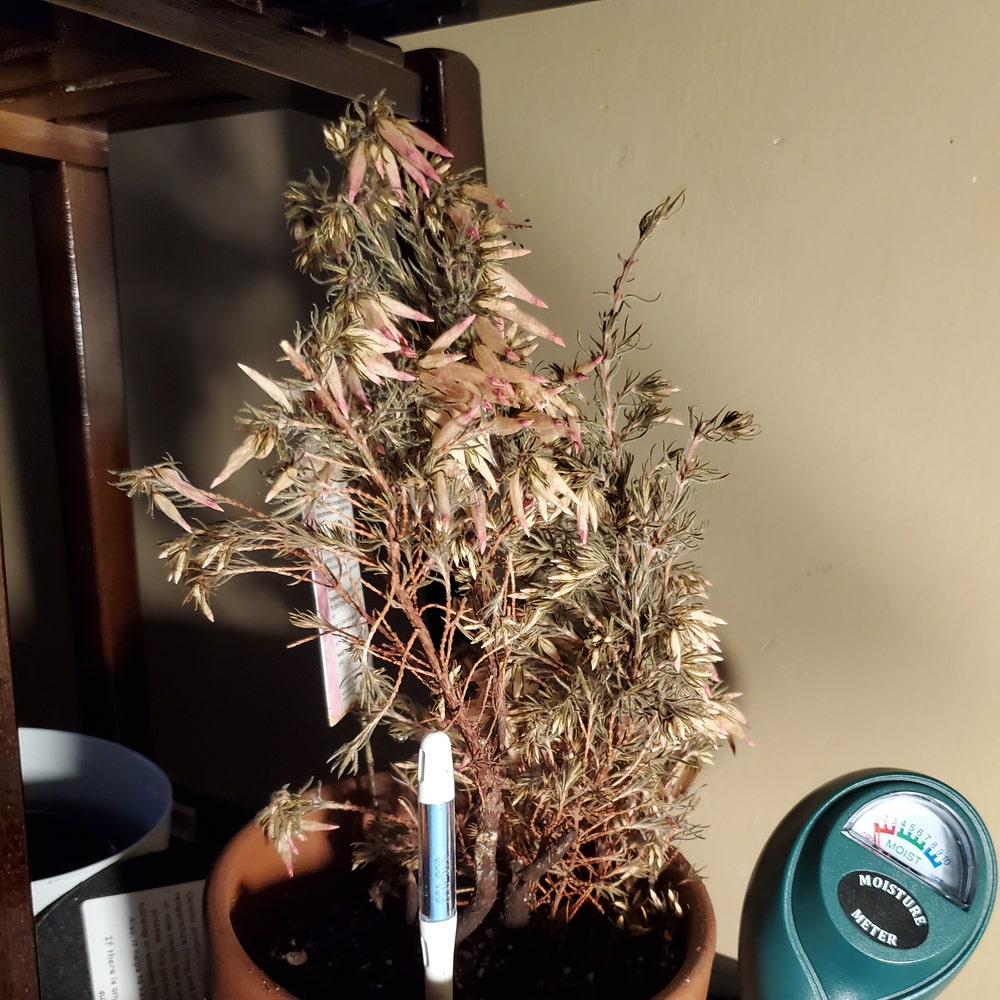
Yellowing leaves often scream for nutrients. Older leaves turning yellow? Nitrogen could be the culprit. New growth looking pale or yellow between the veins? It's likely an iron shortage. A soil test can be your best friend here, pinpointing exactly what's missing and saving you from playing a guessing game with fertilizers.
🚰 Water Woes: Too Much or Too Little
Overwatering turns leaves soft and yellow, sometimes even bloated. On the flip side, underwatering leaves them dry and crispy. The key is balance: water deeply, but let the soil dry out a bit between waterings. Think of it like a well-wrung sponge—not too dry, not a swamp.
🌱 Soil pH: The Acid Test
Soil pH can lock out nutrients like a bouncer at a club. Too acidic or alkaline, and your plant can't access the food it needs. Yellow leaves might be a sign that your soil pH is out of whack. Simple tests can help you adjust the pH gently, ensuring your Tree Heath isn't left hungry.
The Watering Can and Spade: Fixing Yellow Leaves
💡 Balancing the Diet: Nutrient Supplements
Choosing the right fertilizer is like picking the perfect seasoning for a dish—it should enhance, not overwhelm. Go for a balanced, water-soluble fertilizer, and apply it as the plant wakes up for its growing season. Dosage is crucial; follow the package instructions to the letter. Always moisten the soil before fertilizing to avoid the horror of root burn.
🚰 Fine-Tuning Watering Habits
Watering is less about sticking to a schedule and more about observing your plant's thirst. The goal is moist soil, not a swamp. Use a watering can with a long spout for precision, and keep the leaves dry to prevent fungal parties. Establish a routine that adapts to your plant's needs, taking cues from the weather and the soil's moisture level.
🌱 Correcting Soil pH: A Step-by-Step Guide
Yellow leaves can scream "pH crisis!" like a bad review on a restaurant. Test your soil to see if it's too acidic or alkaline. If you need to adjust, do it gently—think of it as coaxing rather than shoving. To raise pH, limestone is your friend; to lower it, sulfur will do the trick. For long-term stability, incorporate organic matter like compost, which is like a slow-release pH regulator and nutrient provider all in one.
Shielding from Stress: Environmental Tweaks
🌳 Battling the Elements
Creating shade and shelter is crucial for protecting Tree Heath from the harsh sun and extreme temperatures. Use natural elements like taller plants or man-made structures such as pergolas to provide a canopy of protection. This ensures your Tree Heath isn't baking in the sun's full force.
Airflow is also key to maintaining healthy leaves. Ensure your Tree Heath isn't suffocating in still air by promoting circulation, which can prevent fungal diseases and leaf distress.
The Right Spot: Plant Placement and Care
Finding the ideal location for your Tree Heath can be a game-changer. It should be a place that offers bright, indirect sunlight, shielding the plant from the midday sun's intensity. This spot should also protect against strong winds, which can be as damaging as an overzealous leaf blower.
Pruning is not just about aesthetics; it's about function. Regular pruning helps maintain good air circulation and can prevent yellowing by removing any parts of the plant that are under stress or beginning to decay. Remember, it's a trim, not a haircut—be gentle.
Keeping the Green: Prevention and Ongoing Care
💡 Vigilance and Routine Checks
Early warning signs of yellowing leaves can be subtle. A slight change in leaf color or a slowdown in growth could signal trouble. It's essential to act swiftly; adjusting care practices early can prevent a full-blown crisis.
Creating a care calendar is like setting alarms for plant parenting. Schedule regular check-ins to monitor your Tree Heath's health. This proactive approach can keep your plant's leaves lush and vibrant.
🌿 The Long Game: Ensuring Leaf Longevity
Seasonal care shifts are crucial for year-round leaf health. Your Tree Heath's needs change with the seasons—less water in winter, more shade in summer.
When to call in the experts? If problems persist despite your best efforts, it's time. Recognizing when you're out of your depth is as important as the care you provide.
⚠️ Safety First
This content is for general information and may contain errors, omissions, or outdated details. It is not medical, veterinary advice, or an endorsement of therapeutic claims.
Always consult a qualified healthcare professional before using any plant as food, medicine, or supplement.
Never eat any plant (or feed one to pets) without confirming its identity with at least two trusted sources.
If you suspect poisoning, call Poison Control (800) 222-1222, the Pet Poison Helpline (800) 213-6680, or your local emergency service immediately.
Spotted an error? Please report it here.
Keep your tree heath's leaves from turning yellow 🍂 with Greg's custom watering schedule and nutrient advice, ensuring they stay lush and healthy in your unique home environment.