Why Are There Brown Spots on My Tree Heath Leaves?
Erica arborea
By the Greg Editorial Team
Mar 13, 2024•4 min read
This article was created with the help of AI so we can cover more plants for you. May contain errors. See one? Report it here.
Solve the mystery of brown spots on your Tree Heath 🍂 and restore your plant's vitality!
- Fungi and bacteria are common culprits for brown spots on Tree Heath leaves.
- Environmental stress like drought or sun can cause leaf scorching and spotting.
- Prevent with cleanliness, proper spacing, and using fungicides or bactericides.
Spotting the Trouble: Recognizing Brown Spots
🍂 What Do Brown Spots Look Like?
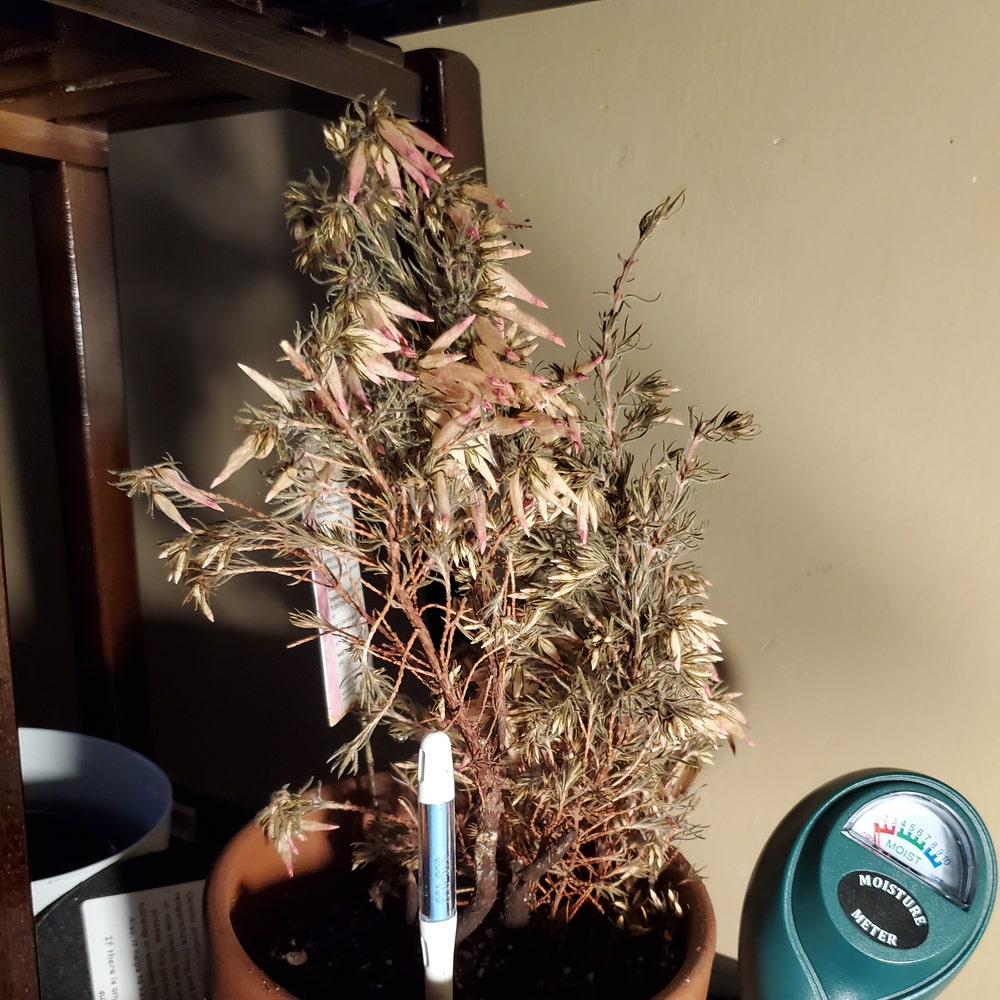
Brown spots on Tree Heath leaves can be alarm bells. They vary from tiny specks to large patches, and their shape, size, and distribution are critical for diagnosis. Spots may be dry, indicating environmental stress, or moist and dark, suggesting overwatering or disease. A yellow halo around a spot often indicates a more serious issue.
🕵️ Common Mistakes in Spot Identification
Not all brown spots are harbingers of doom. Natural markings or scars from past injuries can mimic signs of distress. Overwatering, excessive sunlight, and temperature fluctuations are common culprits, but don't overlook pests. Regular inspections are crucial to avoid misdiagnosis. Remember, consistency in spot appearance is key to differentiating between benign and concerning signs.
The Usual Suspects: Common Causes of Brown Spots
🍄 Fungal Foes
Fungi are the unseen invaders of Tree Heath leaves. Anthracnose and leaf spot diseases are the primary villains, exploiting wet conditions to create their signature brown spots. These spots may merge into larger blotches, often encircled by a yellow halo, and can cause leaves to drop prematurely. It's crucial to catch these fungal festivities early before they turn your Tree Heath into a leaf-dropping party zone.
🦠 Bacterial Bullies
Bacterial infections enter the scene with a slimy texture and a penchant for waterlogged environments. They manifest as brown spots with a yellow halo or a red edge, often following a path of moisture. Overwatering is practically an invitation for these microscopic menaces. To combat them, focus on moisture management and improving airflow around your Tree Heath.
🌿 When the Environment Strikes
Environmental stress is like the silent background music to brown spot drama. Drought, root injury, or excessive sun can lead to scorching and spotting, akin to a plant's version of a sunburn or a thirst quench. Proper watering and shielding from harsh conditions are your best bets in preventing these environmental woes. Remember, a stressed Tree Heath is more susceptible to all sorts of leaf blemishes, so keeping it content is key to maintaining its spotless beauty.
Battling Brown Spots: Effective Treatment Strategies
🍄 Fungicide to the Rescue
When fungal foes attack your Tree Heath, reaching for a fungicide isn't just a good idea—it's a must. Tebuconazole and triticonazole are your go-to options. But don't just splash it on willy-nilly. Read the label as if your plant's life depends on it—because it does. Apply it preventively, before the fungus feels at home.
💉 Application Know-How
Apply fungicides with the precision of a surgeon. Overuse is a no-go. Rotate your fungicides to keep the pathogens on their toes and resistance low. Coat every leaf, top and bottom, ensuring even coverage. Timing is everything—early morning or late evening is prime time for application.
🦠 Bacteria Busters
When bacteria are the culprits, it's time for a targeted approach. Copper compounds and specific bactericides are your first line of defense. Use them sparingly, like a sniper—too much and you're looking at a rise of superbugs. Keep your gardening tools cleaner than a five-star restaurant's kitchen. It's not just about aesthetics; it's about keeping your plant thriving.
🧼 Cleanliness is Key
Sterilize your tools and pots as if you're prepping for surgery. It's the plant equivalent of washing your hands—simple but effective. When applying treatments, coverage is crucial. Miss a spot, and you're practically inviting trouble back for an encore.
Keeping Spots at Bay: Prevention Tactics
🌱 Cultural Practices for Plant Health
To fortify your Tree Heath against infections, start with the basics. Rotate crops if you're growing multiples to prevent disease build-up. Optimal lighting and consistent temperatures are your plant's best friends, keeping stress—and thus, brown spots—at bay. When it comes to watering, aim for the base; wet leaves are like a welcome mat for fungal invaders. And cleanliness isn't just for show; removing plant debris is a preemptive strike against potential diseases.
🌍 Environmental Adjustments
Adjusting your garden's microclimate can make a huge difference. Ensure good air circulation; it's like giving your plants room to breathe, reducing humidity and fungal appeal. Space your Tree Heaths properly to avoid overcrowding, which is practically an invitation for trouble. And remember, a well-draining soil isn't just a preference, it's a necessity for plant health. Keep your garden tools as clean as a whistle to avoid spreading pathogens, and always quarantine new plants—think of it as a necessary background check before they mingle with your green family.
⚠️ Safety First
This content is for general information and may contain errors, omissions, or outdated details. It is not medical, veterinary advice, or an endorsement of therapeutic claims.
Always consult a qualified healthcare professional before using any plant as food, medicine, or supplement.
Never eat any plant (or feed one to pets) without confirming its identity with at least two trusted sources.
If you suspect poisoning, call Poison Control (800) 222-1222, the Pet Poison Helpline (800) 213-6680, or your local emergency service immediately.
Spotted an error? Please report it here.
Eradicate those pesky brown spots 🍂 on your Tree Heath by leveraging Greg's custom care schedules and community wisdom for disease-free foliage.