🐅 Tiger Lily Care: Preventing Wilting
Lilium lancifolium
By the Greg Editorial Team
Oct 02, 2024•6 min read
This article was created with the help of AI so we can cover more plants for you. May contain errors. See one? Report it here.
Rescue your wilting Tiger Lily 🌱 with these essential care tips to ensure it thrives and flourishes!
- 💧 Wilting in Tiger Lilies often signals water stress from over or underwatering.
- ☀️ Heat stress causes wilting; provide shade during peak sunlight hours to help.
- 🌱 Regular monitoring and care can prevent wilting and promote healthy growth.
Common Causes of Wilting Leaves
💧 Water Stress
Wilting leaves often signal water stress in your Tiger Lily. Symptoms include drooping leaves, dry soil, and crispy edges, indicating either overwatering or underwatering.
Inconsistent watering practices can lead to these issues. It's essential to find a balance to keep your plant thriving.
🌡️ Heat Stress
Heat stress is another common culprit behind wilting. Look for signs like curling leaves, browning tips, and wilting during hot weather.
This stress usually arises from exposure to extreme temperatures or direct sunlight without enough moisture. Providing shade can help mitigate these effects.
🦠 Disease-Related Wilting
Sometimes, wilting can be linked to disease. Symptoms include yellowing leaves and wilting despite adequate watering.
While pathogenic wilt is rare, it can happen. Always prioritize environmental factors before jumping to conclusions about disease.
Understanding these causes is crucial for effective care. Next, we’ll explore how to diagnose wilting in your Tiger Lily.
Diagnosing Wilting
Step-by-Step Guide 🌱
Assess Soil Moisture: Start by checking if the soil is too dry or waterlogged. This is crucial as both extremes can lead to wilting.
Observe Environmental Conditions: Take note of the temperature, humidity, and sunlight exposure. These factors significantly impact your Tiger Lily's health.
Inspect Leaves: Look closely for signs of pests or disease. Yellowing or unusual spots can indicate underlying issues.
Evaluate Watering Schedule: Determine if your watering frequency is consistent. Inconsistent watering can lead to stress and wilting.
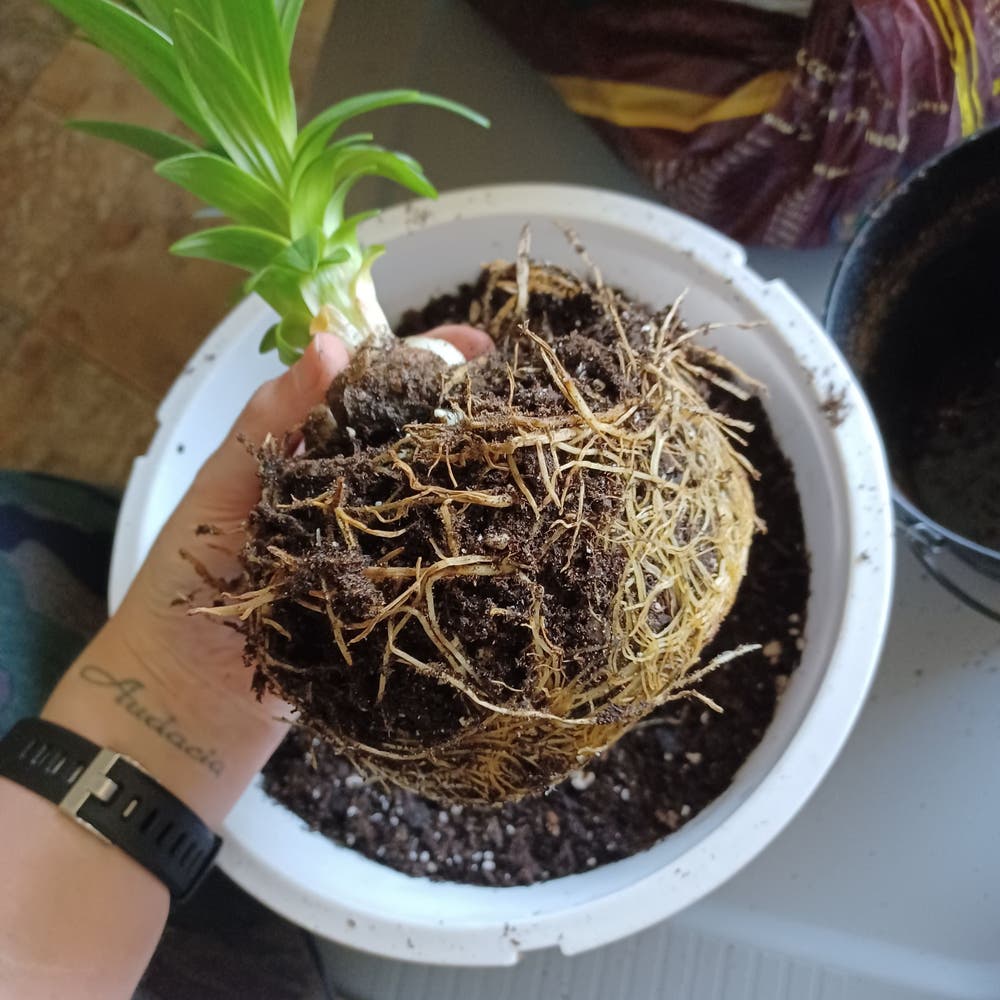
Check for Root Health: Gently remove the plant from its pot to inspect the roots. Look for signs of rot or damage, which can be detrimental to the plant's health.
Identifying Symptoms and Environmental Factors 🔍
Document Changes: Keep track of any recent changes in the plant's environment, such as weather fluctuations or relocation. This can provide clues to the cause of wilting.
Compare Symptoms: Match the observed symptoms with known causes of wilting. This will help you narrow down potential issues and take appropriate action.
By following these steps, you can effectively diagnose the cause of wilting in your Tiger Lily. Understanding the symptoms and environmental factors will empower you to take corrective measures, ensuring your plant thrives.
Next, let’s explore actionable solutions to revive those wilting leaves and keep your Tiger Lily healthy.
Solutions for Wilting Leaves
🌊 Actionable Advice for Each Cause
Addressing Water Stress
Water stress is a common issue for Tiger Lilies. If you notice underwatering, increase your watering frequency to keep the soil consistently moist.
On the flip side, if overwatering is the problem, allow the soil to dry out before the next watering. Improving drainage can also help prevent future issues.
☀️ Mitigating Heat Stress
Heat stress can wreak havoc on your plant. To combat this, provide shade during peak sunlight hours and consider relocating your Tiger Lily to a cooler area.
Increasing humidity around the plant is also beneficial. You can achieve this by using a pebble tray or misting the leaves regularly.
🦠 Managing Disease-Related Wilting
If you suspect disease, act quickly. Remove any affected leaves to prevent the spread and treat the plant with appropriate fungicides if necessary.
🌱 Techniques for Reviving a Wilted Tiger Lily
Reviving a wilted Tiger Lily can be straightforward with the right techniques:
- Bottom watering: Place the pot in a shallow tray of water for 30 minutes. This allows the roots to absorb moisture effectively.
- Temporary relocation: Move the plant to a shaded area until it shows signs of recovery.
- Pruning damaged leaves: Trim off any severely wilted or damaged foliage. This encourages new growth and helps the plant focus its energy.
By following these actionable steps, you can help your Tiger Lily bounce back and thrive. Now, let’s explore some preventive measures to keep your plant healthy in the long run.
Preventive Measures
Tips to Minimize Future Wilting 🌱
To keep your Tiger Lily thriving, establish a consistent watering schedule. Adjust this based on seasonal changes and environmental conditions to ensure your plant gets just the right amount of moisture.
Using mulch is another effective strategy. It helps retain soil moisture and regulates temperature, creating a more stable environment for your plant.
Importance of Monitoring Conditions 🔍
Regularly check temperature and humidity levels, especially during extreme weather. This proactive approach can help you catch potential issues before they escalate.
Be prepared to adjust your care practices based on seasonal changes. This flexibility is key to preventing stress on your Tiger Lily and ensuring it remains vibrant and healthy.
By staying attentive and responsive, you can cultivate a flourishing plant that brings joy to your space.
Unique Characteristics
Growth Habits and Sensitivity 🌱
Tiger lilies are a delight to grow, thriving in well-drained soil and basking in full sun. This preference mirrors their native habitat, where they flourish in open fields and meadows.
Despite their reputation for resilience, these plants are surprisingly sensitive to environmental changes. A little shift in temperature or moisture can lead to wilting, making attentive care essential for their health.
Adaptability and Care Needs 🌿
While tiger lilies can adapt to various conditions, they perform best when their needs are met consistently. Regular monitoring of soil moisture and sunlight exposure will help keep them vibrant and thriving.
Understanding their growth habits allows you to create an ideal environment. This proactive approach not only enhances their beauty but also minimizes the risk of wilting.
The Importance of Observation 👀
Being observant is key when caring for tiger lilies. Changes in their appearance can signal underlying issues, so keeping an eye on their growth can prevent problems before they escalate.
By fostering a nurturing environment, you can enjoy the stunning blooms of tiger lilies while ensuring they remain healthy and vibrant.
As you continue to explore tiger lily care, the next section will delve into when to seek help for persistent issues.
When to Seek Help
🆘 Signs That Require Expert Assistance
If your Tiger Lily shows persistent wilting despite your best care efforts, it’s time to consider seeking help. Unexplained symptoms that don’t match common causes can also signal a deeper issue.
🌱 Resources for Support
Local nurseries are a fantastic resource for expert advice and diagnosis. Engaging with the plant care community, like forums or groups led by enthusiasts such as Greg, can provide additional support and insights.
Recognizing when to ask for help can save your plant and enhance your gardening journey. Don’t hesitate to reach out; your Tiger Lily deserves the best care possible!
⚠️ Safety First
This content is for general information and may contain errors, omissions, or outdated details. It is not medical, veterinary advice, or an endorsement of therapeutic claims.
Always consult a qualified healthcare professional before using any plant as food, medicine, or supplement.
Never eat any plant (or feed one to pets) without confirming its identity with at least two trusted sources.
If you suspect poisoning, call Poison Control (800) 222-1222, the Pet Poison Helpline (800) 213-6680, or your local emergency service immediately.
Spotted an error? Please report it here.
Keep your Tiger Lily thriving 🌱 by using Greg's tailored watering reminders and community insights to prevent wilting and ensure it flourishes in its ideal environment!