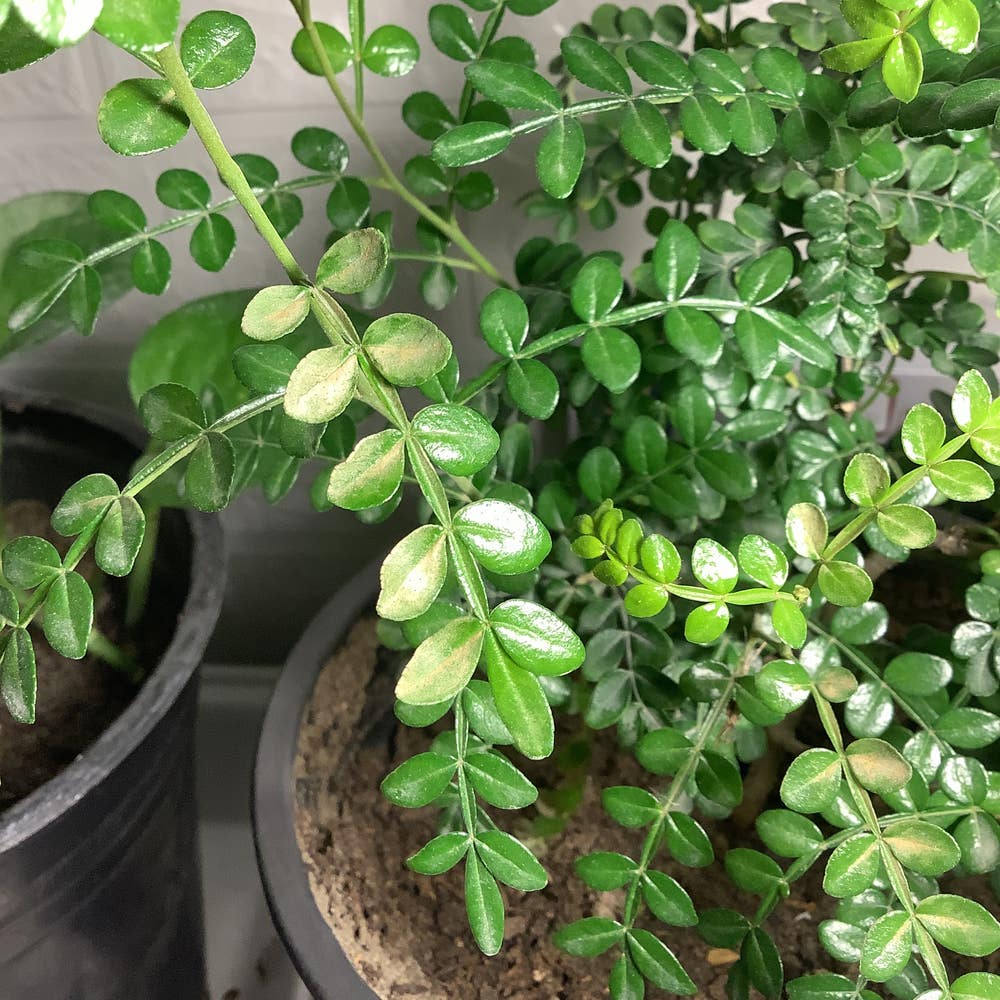
Why the Leaves on Your Sichuan Pepper Are Turning Yellow 🍂
Zanthoxylum schinifolium
By the Greg Editorial Team
Oct 25, 2024•6 min read
This article was created with the help of AI so we can cover more plants for you. May contain errors. See one? Report it here.
Transform your yellowing Sichuan pepper leaves 🌱 with simple solutions to restore their vibrant health!
- 🌱 Yellow leaves indicate issues like nutrient deficiencies, pests, or watering problems.
- 💧 Overwatering and underwatering both cause yellowing; adjust watering practices accordingly.
- 🐛 Pests like aphids can lead to yellowing; prompt identification is crucial for treatment.
Causes of Yellowing Leaves
🌱 Nutrient Deficiencies
Nitrogen Deficiency
Nitrogen deficiency is a common issue that manifests as pale yellow leaves, particularly affecting the older leaves first. This nutrient is vital for leaf growth and overall plant vigor, making its absence noticeable.
Iron Deficiency
Iron deficiency presents itself through yellowing between the leaf veins, while the veins themselves remain green. This nutrient is crucial for chlorophyll production, impacting the plant's ability to photosynthesize effectively.
💧 Overwatering and Underwatering
Overwatering
Overwatering can lead to yellowing leaves, wilting, and even root rot. Poor drainage and excessive watering frequency are the primary culprits behind this problem.
Underwatering
On the flip side, underwatering results in dry, crispy leaves that also turn yellow. This typically occurs due to infrequent watering or prolonged drought conditions.
🐛 Pest Infestations
Aphids
Aphids are notorious for causing curling leaves and leaving behind a sticky residue. Their presence weakens plant health, leading to further yellowing of the leaves.
Spider Mites
Spider mites create fine webbing on leaves and cause stippling, which reduces the plant's vigor. This pest can significantly contribute to yellowing leaves if not addressed promptly.
🍄 Fungal Diseases
Root Rot
Root rot is a severe condition characterized by wilting, yellowing leaves, and mushy roots. It often results from overwatering and poor drainage, making it essential to monitor soil conditions.
Powdery Mildew
Powdery mildew shows up as white powdery spots on leaves, accompanied by yellowing. High humidity and poor air circulation are common causes of this fungal disease.
🌡️ Environmental Stress
Temperature Fluctuations
Sudden yellowing and leaf drop can occur due to exposure to extreme temperature fluctuations. Plants are sensitive to their environment, and drastic changes can stress them out.
Humidity Levels
Low humidity environments can lead to leaf curling and yellowing. Maintaining adequate humidity is crucial for the overall health of your Sichuan pepper plant.
Understanding these causes can help you diagnose and address yellowing leaves effectively. Next, we'll explore how to diagnose these issues through visual inspection and soil testing.
Diagnosing Yellow Leaves
👀 Visual Inspection Techniques
Start by checking for discoloration patterns on your Sichuan pepper leaves. Pay attention to whether older or newer leaves are yellowing, as this can indicate different issues.
Next, look for signs of pests or fungal infections. A quick visual scan can reveal a lot about your plant's health.
🧪 Soil Testing for pH and Nutrient Levels
Soil health is crucial for vibrant plants. The recommended pH range for Sichuan pepper is between 6.0 and 6.5 for optimal growth.
You can easily test your soil using kits available at garden centers. These tests will help you understand if nutrient deficiencies are contributing to yellowing leaves.
🐛 Identifying Pest Damage
Inspect the undersides of leaves for any pests. Common culprits like aphids or spider mites can often be found hiding there.
Also, look for sticky residue or webbing on the leaves. These signs can indicate pest infestations that need immediate attention.
💧 Assessing Watering Practices
Evaluate how often and how much water you apply to your Sichuan pepper. Over or under-watering can lead to yellow leaves, so it's essential to find the right balance.
Check soil moisture levels using a moisture meter or simply by doing a finger test. This will help you determine if your watering practices need adjustment.
By diagnosing these issues early, you can take steps to restore your plant's health. Next, let’s explore treatment options to revive those yellowing leaves.
Treatment Options
Adjusting Watering Practices 🌊
To keep your Sichuan pepper thriving, it's crucial to adjust your watering practices. Allow the top inch of soil to dry out before rewatering, which helps prevent overwatering and encourages healthy root development.
Proper drainage is equally important. Ensure that your pots have drainage holes to avoid waterlogging, which can lead to yellowing leaves and root rot.
Fertilization Methods 🌱
Organic vs. Synthetic
When it comes to fertilization, you have options. Organic choices like compost and fish emulsion enrich the soil naturally, promoting robust growth without harmful chemicals.
On the other hand, synthetic fertilizers, particularly balanced NPK options, provide a quick nutrient boost. Choose based on your gardening philosophy and the specific needs of your plant.
Pest Control Strategies 🐞
Insecticidal Soap
If pests invade your Sichuan pepper, insecticidal soap can be an effective solution. Apply it every 7-14 days until you see a noticeable reduction in pest activity.
Neem Oil
Neem oil is another excellent choice for pest control. This natural pesticide is safe for beneficial insects, making it a gardener's friend while effectively tackling unwanted pests.
Fungal Treatment Options 🍄
Fungicides
For fungal issues like root rot, broad-spectrum fungicides are your best bet. Apply them during early morning or late afternoon to maximize effectiveness and minimize harm to your plant.
Improving Drainage
Improving soil drainage can also combat fungal problems. Techniques like adding perlite or sand to your soil mix enhance aeration and prevent water retention, keeping your plant healthy.
With these treatment options, you can effectively address the yellowing leaves on your Sichuan pepper. Next, let’s explore preventive measures to keep your plant thriving year-round.
Preventive Measures
🌱 Best Practices for Soil Preparation
To ensure your Sichuan pepper thrives, start with well-drained, slightly acidic soil. Incorporating organic matter can significantly improve soil structure, promoting healthy root development.
🔍 Regular Monitoring and Maintenance
Make it a habit to check your plants weekly for any signs of pests or diseases. Early detection is key; catching issues before they escalate can save your plant from severe damage.
🌸 Seasonal Care Tips
Spring Adjustments
As the weather warms and new growth appears, it's time to start fertilizing. This boost in nutrients will support vigorous growth during the active season.
Fall Adjustments
As temperatures begin to drop, reduce your watering frequency. This adjustment helps your plant prepare for dormancy, ensuring it conserves energy for the colder months.
✂️ Proper Pruning Techniques
Timing is crucial when it comes to pruning. Late winter or early spring is ideal, as it promotes better air circulation and reduces the risk of disease, keeping your plant healthy and vibrant.
By implementing these preventive measures, you'll create a robust environment for your Sichuan pepper, setting the stage for long-term health and productivity. Next, let’s explore the essential aspects of long-term care to keep your plant thriving year-round.
Long-term Care
🌞 Ideal Growing Conditions
Sunlight Requirements
Sichuan pepper thrives in full sun to partial shade, ideally receiving 6-8 hours of sunlight daily. This exposure is crucial for robust growth and vibrant foliage.
Soil Type
The ideal soil for Sichuan pepper is well-drained and slightly acidic. Aim for a pH range of 6.0 to 6.5 to promote optimal nutrient uptake.
🌱 Importance of Mulching
Mulching plays a vital role in maintaining soil moisture and suppressing weeds. Organic materials like wood chips are excellent choices, as they break down over time and enrich the soil.
🌼 Companion Planting Benefits
Companion planting can significantly enhance your Sichuan pepper's health. Consider planting basil or marigolds nearby; they not only deter pests but also promote better growth.
🍂 Seasonal Adjustments in Care Routines
Adjust your care routine with the changing seasons. In spring, increase watering and fertilization to support new growth, while in fall, reduce watering frequency to prepare the plant for dormancy.
These long-term care strategies will help ensure your Sichuan pepper remains healthy and productive. Next, let’s explore preventive measures to keep your plant thriving year-round.
⚠️ Safety First
This content is for general information and may contain errors, omissions, or outdated details. It is not medical, veterinary advice, or an endorsement of therapeutic claims.
Always consult a qualified healthcare professional before using any plant as food, medicine, or supplement.
Never eat any plant (or feed one to pets) without confirming its identity with at least two trusted sources.
If you suspect poisoning, call Poison Control (800) 222-1222, the Pet Poison Helpline (800) 213-6680, or your local emergency service immediately.
Spotted an error? Please report it here.
Identify and tackle yellowing leaves on your Sichuan pepper 🌿 with Greg's tailored watering and nutrient reminders, ensuring your plant stays healthy and vibrant!