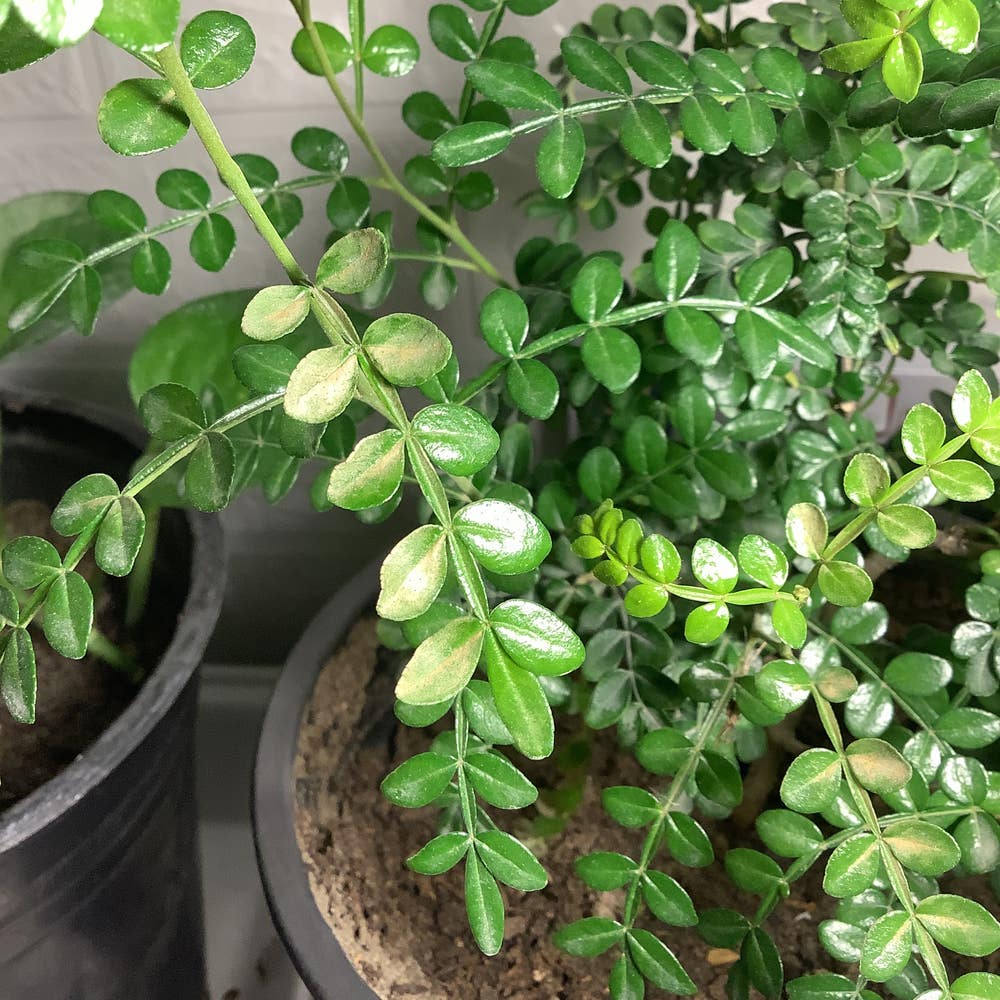
✂️ Step-by-Step Guide to Trimming Sichuan Pepper
Zanthoxylum schinifolium
By the Greg Editorial Team
Oct 25, 2024•5 min read
This article was created with the help of AI so we can cover more plants for you. May contain errors. See one? Report it here.
Unlock vibrant growth in your Sichuan pepper 🌱 with expert pruning tips for a thriving garden all year!
- 🌱 Prune Sichuan pepper in spring and fall for optimal health and shape.
- ✂️ Use sharp tools and 45-degree cuts to promote healing and prevent damage.
- 🌼 Deadhead after flowering to encourage new blooms and maintain plant vitality.
When to Prune
Best Seasons for Pruning 🌱
Pruning Sichuan pepper is best done in two key seasons: spring and fall.
Spring is the ideal time for shaping the plant and encouraging new growth. This is when the plant is waking up from dormancy, making it receptive to changes.
Fall is perfect for removing dead or damaged branches. This helps the plant prepare for winter and promotes healthier growth in the spring.
Signs That Pruning is Needed ✂️
Recognizing when to prune is crucial for maintaining a healthy Sichuan pepper plant.
Overgrowth is a clear indicator; dense foliage can limit air circulation, leading to potential issues like disease. If your plant looks bushy and unkempt, it’s time to take action.
Dead branches are another sign that pruning is necessary. These branches can harbor diseases and should be removed promptly to keep the plant healthy.
By paying attention to these seasonal cues and signs, you can ensure your Sichuan pepper thrives. Next, let’s dive into the practical steps for how to prune effectively.
How to Prune
Step-by-Step Pruning Instructions 🌱
Initial Assessment of the Plant
Start by evaluating the overall health of your Sichuan pepper plant. Look for growth patterns and identify areas that need attention.Identifying Branches to Trim
Begin by removing any dead or damaged branches. Next, thin out crowded areas to allow better light penetration, which is crucial for healthy growth.Techniques for Cutting
When making cuts, always use a 45-degree angle to promote healing. Focus on lateral branches and avoid cutting into the main stem to maintain plant integrity.
Tips for Maintaining Shape and Size ✂️
Regularly check growth patterns to keep your plant's shape in check. This proactive approach helps maintain a balanced look.
Trim evenly around the plant to ensure it grows symmetrically. A well-shaped plant not only looks good but also thrives better.
By following these steps, you'll set your Sichuan pepper plant up for success. Next, let’s explore the art of deadheading to encourage even more vibrant growth.
Deadheading
Explanation of Deadheading and Its Benefits 🌼
Deadheading is the process of removing spent flowers from your plants. This simple act encourages new blooms and enhances the overall aesthetics of your garden.
The benefits of deadheading are significant. Not only does it promote further flowering, but it also keeps your plants looking tidy and vibrant.
Step-by-Step Instructions for Deadheading ✂️
- Identify spent flowers: Look for wilting or brown blooms that detract from your plant's beauty.
- Use clean shears: Cut the flower stem back to the first set of healthy leaves to encourage new growth.
- Dispose of cuttings: Remove debris from the area to prevent disease and keep your garden healthy.
Timing for Deadheading to Encourage New Growth ⏰
The best time to deadhead is after flowering, typically late summer to early fall.
Keep an eye out for new growth; check for signs of budding after you've deadheaded to ensure your plants are thriving.
This proactive approach not only enhances your garden's appearance but also fosters a cycle of continuous blooming.
Post-Pruning Care
How to Care After Pruning 🌱
After pruning your Sichuan pepper, proper care is crucial for its recovery. Start by ensuring consistent moisture; water the plant regularly but avoid waterlogging, which can lead to root rot.
Mulching is another essential step. Apply organic mulch around the base to retain soil moisture and suppress weeds, creating a healthier environment for your plant.
Monitoring for Pests and Diseases Post-Pruning 🐞
Regular inspections are vital after pruning. Keep an eye out for pests like aphids or spider mites, which can quickly become a problem if not addressed.
If you spot any infestations, consider using organic pesticides. This approach minimizes harm to beneficial insects while effectively managing pest populations.
By following these post-pruning care tips, you’ll set your Sichuan pepper up for robust growth and vitality. Next, let’s explore common pruning mistakes to avoid for optimal plant health.
Common Pruning Mistakes
✂️ Over-Pruning and Its Effects
Over-pruning can severely weaken your Sichuan pepper plant. This mistake not only compromises its structure but can also lead to reduced fruit production.
Signs of over-pruning include excessive leaf drop and stunted growth. If your plant looks sparse or unhealthy, you might have trimmed too much.
⏰ Timing Errors in Pruning
Timing is crucial when it comes to pruning. Late pruning can hinder flowering and fruit set, leaving you with fewer blooms and less fruit.
Being aware of the seasons is essential. Align your pruning schedule with the plant's growth cycles for optimal results.
🛠️ Tools That Can Damage the Plant
Using the right tools is just as important as knowing when and how to prune. Dull tools can crush stems, making them susceptible to disease.
Improper cutting techniques can leave jagged edges that invite pests. Always ensure your tools are sharp and your cutting methods are precise to keep your plant healthy.
With these insights, you can avoid common pitfalls and ensure your Sichuan pepper thrives. Next, let’s explore how to care for your plant after pruning to promote robust growth.
⚠️ Safety First
This content is for general information and may contain errors, omissions, or outdated details. It is not medical, veterinary advice, or an endorsement of therapeutic claims.
Always consult a qualified healthcare professional before using any plant as food, medicine, or supplement.
Never eat any plant (or feed one to pets) without confirming its identity with at least two trusted sources.
If you suspect poisoning, call Poison Control (800) 222-1222, the Pet Poison Helpline (800) 213-6680, or your local emergency service immediately.
Spotted an error? Please report it here.
Keep your Sichuan pepper plant thriving 🌿 by using Greg's tailored pruning reminders and expert tips to ensure optimal growth and health!