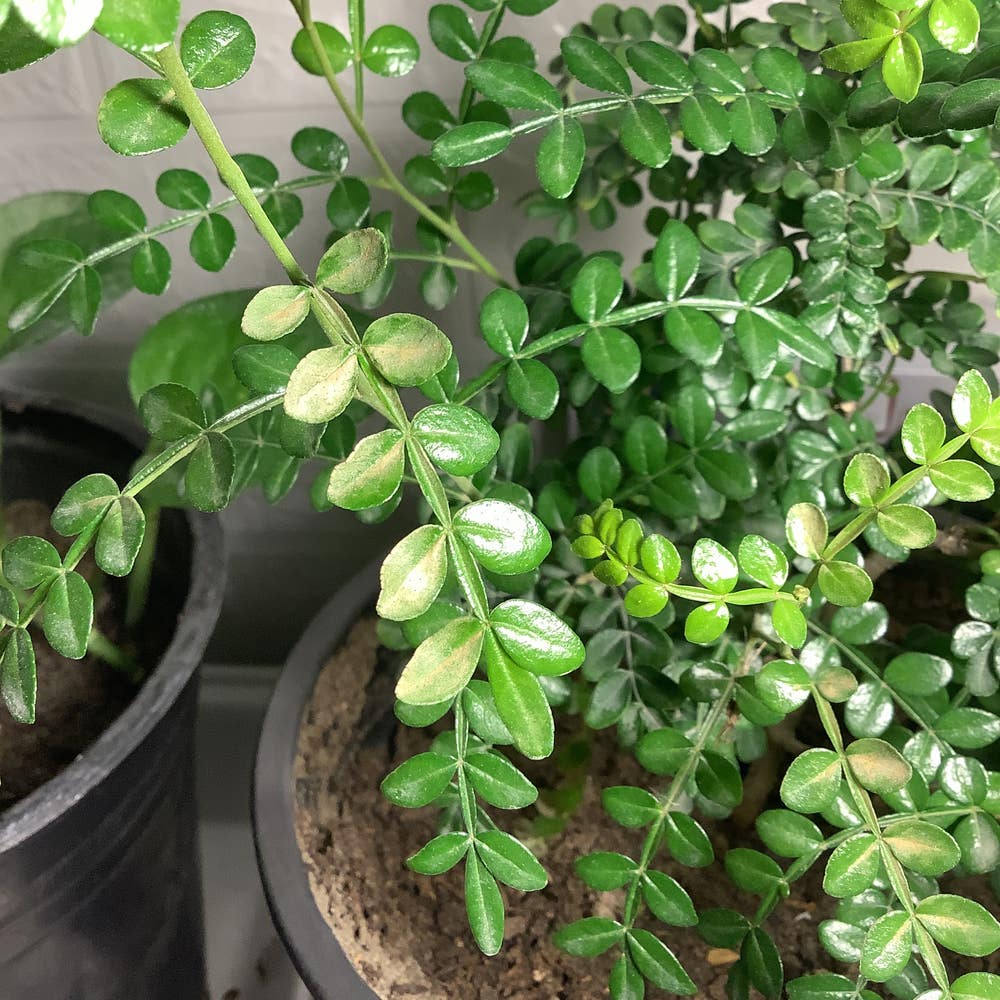
Ultimate Guide to Fixing Droopy Leaves on Sichuan Pepper 😩
Zanthoxylum schinifolium
By the Greg Editorial Team
Oct 25, 2024•5 min read
This article was created with the help of AI so we can cover more plants for you. May contain errors. See one? Report it here.
Transform your droopy Sichuan pepper into a thriving beauty with these vital care tips! 🌱
- 💧 Overwatering and underwatering cause droopy leaves; balance watering for healthy growth.
- 🌡️ Ideal temperatures for Sichuan pepper are 15°C to 25°C; avoid extremes to prevent drooping.
- 🐜 Pests like aphids weaken plants; regular inspections help maintain vigor and prevent droopy leaves.
Causes of Droopy Leaves
💧 Overwatering and Underwatering
Overwatering can lead to yellowing leaves, soggy soil, and root rot. In contrast, underwatering manifests as crispy leaf edges, dry soil, and wilting.
Maintaining balanced watering is crucial. This ensures the soil remains moist without becoming waterlogged, promoting healthy root development.
🥦 Nutrient Deficiencies
Nitrogen Deficiency
A nitrogen deficiency is often indicated by pale green leaves and stunted growth. Nitrogen is vital for leaf health and overall plant vigor.
Potassium Deficiency
Signs of potassium deficiency include leaf tip burn and marginal leaf necrosis. Potassium plays a key role in helping plants resist stress and regulate water.
🌡️ Environmental Stress
Temperature
Sichuan pepper thrives in an ideal temperature range of 15°C to 25°C (59°F to 77°F). Extreme temperatures can cause leaf droop due to heat stress or cold shock.
Humidity
These plants prefer moderate humidity levels between 40% and 60%. Low humidity can lead to leaf curling and drooping, impacting overall health.
🐛 Pest Infestations
Aphids
Aphid infestations are characterized by sticky residue and curled leaves. These pests weaken plant vigor, contributing to droopy leaves.
Spider Mites
Look for fine webbing and stippled leaves as signs of spider mites. Their presence reduces photosynthesis, further exacerbating leaf droop.
Understanding these causes is essential for effective plant care. By addressing these issues, you can help your Sichuan pepper thrive and prevent droopy leaves.
Diagnosing Droopy Leaves
👀 Visual Signs to Look For
When diagnosing droopy leaves, start by observing the leaf color. Yellowing or browning can indicate issues like overwatering or nutrient deficiencies.
Next, check the leaf texture. Wilting or crispiness often points to underwatering or environmental stress.
💧 Assessing Soil Moisture Levels
To assess soil moisture, use simple techniques like the finger test or a moisture meter. Aim for slightly moist soil, avoiding sogginess to keep your Sichuan pepper healthy.
🐛 Checking for Pests and Diseases
Inspect your plant carefully for pests and diseases. Look under the leaves for signs of webbing or sticky residue, which can indicate an infestation.
Common pests to watch for include aphids and spider mites. Early detection is key to preventing further damage.
🌡️ Evaluating Environmental Conditions
Finally, evaluate the environmental conditions affecting your plant. Use a thermometer and hygrometer to check temperature and humidity levels.
Ensure your Sichuan pepper receives adequate sunlight without scorching. Balancing these factors is crucial for maintaining vibrant, healthy leaves.
By diagnosing these issues effectively, you can take the necessary steps to revive your plant and prevent future droopiness. Next, let’s explore practical solutions for droopy leaves.
Solutions for Droopy Leaves
🌊 Adjusting Watering Practices
- Determine the Correct Frequency: Water your Sichuan pepper every 1-2 weeks, adjusting based on environmental conditions.
- Use the Finger Test: Stick your finger into the soil to check moisture before watering. If it feels dry an inch down, it’s time to water.
- Ensure Proper Drainage: Always use pots with drainage holes to prevent waterlogging, which can lead to root rot.
🌱 Fertilization Techniques for Recovery
- Recommended Fertilizers: Opt for a balanced NPK fertilizer, like 10-10-10, or choose organic options for a more natural approach.
- Application Frequency: Fertilize every 4-6 weeks during the growing season to support healthy growth and recovery.
🕳️ Improving Soil Drainage
- Amend Soil: Mix in perlite or sand to enhance drainage and prevent soggy conditions that can cause droopy leaves.
- Consider Repotting: If drainage issues persist, repot your plant using a well-draining potting mix to promote healthier roots.
🐞 Pest Management Strategies
- Organic Solutions: Use neem oil or insecticidal soap to tackle aphids and spider mites effectively.
- Regular Monitoring: Inspect your plants weekly for early signs of pests. Catching infestations early can save your plant from significant damage.
By implementing these solutions, you can help your Sichuan pepper thrive and prevent droopy leaves from becoming a recurring issue. Next, let’s explore how to prevent these problems from arising in the first place.
Preventing Droopy Leaves
🌊 Best Practices for Watering
Watering your Sichuan pepper plant deeply but infrequently is key. This method encourages deep root growth, helping the plant withstand periods of drought.
To simplify your watering routine, consider using the Greg plant care app. It offers AI-powered reminders tailored to your plant's needs, ensuring you never forget to water.
🧪 Regular Soil Testing for Nutrients
Conducting regular soil tests is essential for maintaining nutrient balance. Aim to test every six months to keep tabs on your soil's health.
Focus on checking pH and NPK levels. These tests will help you understand what your plant needs to thrive.
🌦️ Seasonal Care Tips
Adjust your watering and fertilization practices with the changing seasons. This adaptability ensures your plant receives the right care year-round.
Don’t forget to protect your Sichuan pepper from frost during winter months. A little extra care can go a long way in keeping your plant healthy.
🐛 Monitoring for Pests
Regular inspections are crucial for catching pests early. Look for any signs of infestations or diseases to address issues before they escalate.
Using sticky traps can be an effective way to detect flying pests. These traps help you monitor your plant's health without much hassle.
By implementing these preventive measures, you can keep your Sichuan pepper thriving and vibrant. Next, let’s explore how to diagnose droopy leaves effectively.
⚠️ Safety First
This content is for general information and may contain errors, omissions, or outdated details. It is not medical, veterinary advice, or an endorsement of therapeutic claims.
Always consult a qualified healthcare professional before using any plant as food, medicine, or supplement.
Never eat any plant (or feed one to pets) without confirming its identity with at least two trusted sources.
If you suspect poisoning, call Poison Control (800) 222-1222, the Pet Poison Helpline (800) 213-6680, or your local emergency service immediately.
Spotted an error? Please report it here.
Keep your Sichuan pepper perky and vibrant 🌿 by using Greg's tailored watering reminders and nutrient tips to prevent droopy leaves and ensure thriving growth!