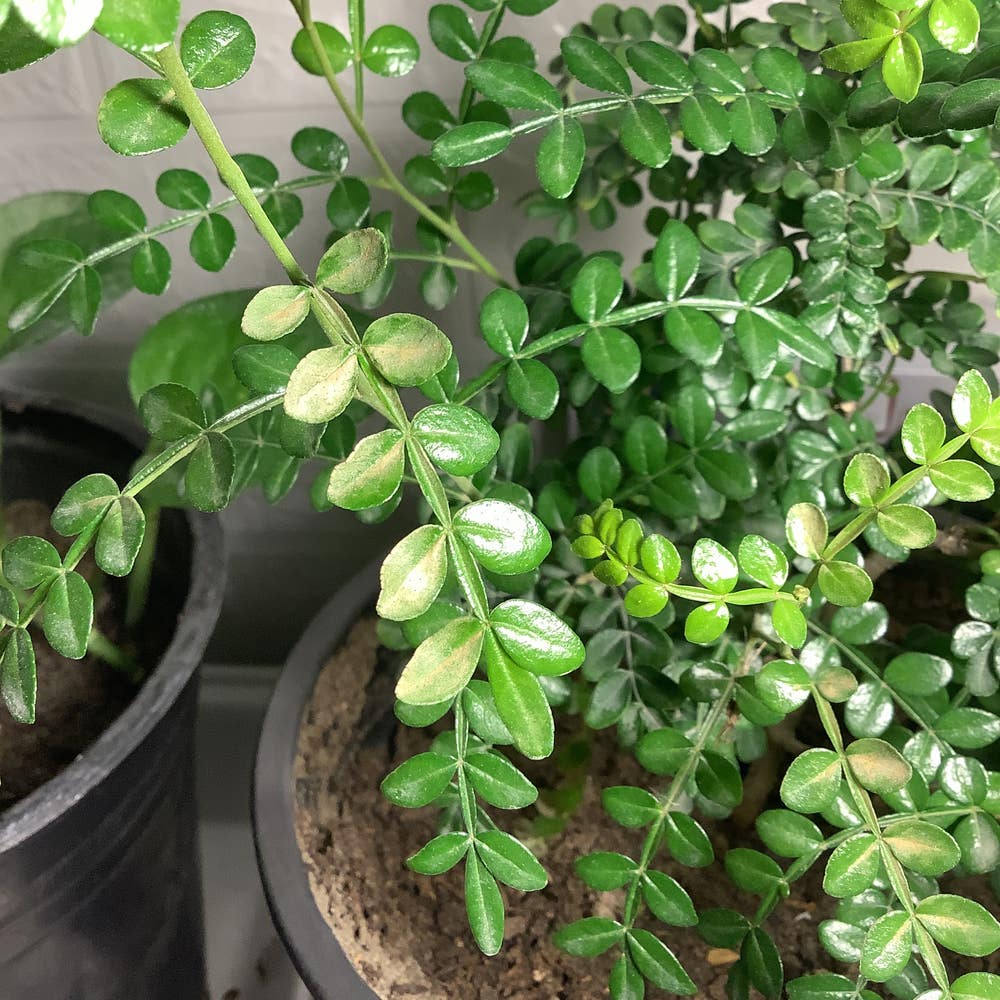
Optimal Temperature for Your Sichuan Pepper 🌡️
Zanthoxylum schinifolium
By the Greg Editorial Team
Oct 25, 2024•4 min read
This article was created with the help of AI so we can cover more plants for you. May contain errors. See one? Report it here.
Unlock a bountiful Sichuan pepper harvest 🌶️ by mastering temperature control for optimal growth and flavor!
- 🌡️ Sichuan pepper thrives between 60°F to 75°F for optimal growth and flavor.
- ❄️ Temperatures below 32°F cause dormancy, halting Sichuan pepper growth.
- 🔥 Extreme heat over 90°F can alter flavor and reduce yield significantly.
Temperature Requirements for Growth
Optimal Temperature Range for Growth 🌡️
Sichuan pepper thrives best in a cozy temperature range of 60°F to 75°F (15°C to 24°C). However, different varieties exhibit unique preferences; some can handle the heat better, while others prefer cooler conditions.
Understanding these variations is crucial for successful cultivation. Selecting the right variety for your climate can make all the difference in your harvest.
Temperature Thresholds for Dormancy and Active Growth ❄️
When temperatures dip below 32°F (0°C), Sichuan pepper enters a state of dormancy. This halt in metabolic processes can significantly impact growth, so it's essential to monitor the temperature closely.
On the flip side, active growth occurs when temperatures rise above 75°F (24°C) but remain below 90°F (32°C). Keeping your plants within this sweet spot is vital for sustained growth and a bountiful yield.
As you cultivate your Sichuan pepper, remember that temperature management is key. With the right conditions, your plants will flourish, setting the stage for the next section on temperature stress.
Temperature Stress in Sichuan Pepper
Signs and Symptoms of Temperature Stress 🌡️
Temperature stress can significantly impact your Sichuan pepper plants.
Heat stress manifests through wilting leaves and reduced vigor. You might also notice leaf scorch, where the edges turn brown and crispy.
On the flip side, cold stress shows up as leaf drop and stunted growth. Darkening leaf color and potential dieback are also warning signs that your plants are struggling.
Causes of Temperature Stress 🔍
Understanding the causes of temperature stress is crucial for maintaining healthy Sichuan pepper plants.
Extreme heat, defined as temperatures exceeding 90°F (32°C), can alter the flavor profile and reduce yield.
Conversely, frost poses a risk when temperatures dip below 32°F (0°C), especially for young shoots and flowers. Protecting your plants from these extremes is essential for a thriving harvest.
With a grasp on temperature stress, you can take proactive steps to ensure your Sichuan pepper flourishes. Next, let’s explore seasonal temperature considerations to optimize growth throughout the year.
Seasonal Temperature Considerations
Temperature Needs During Different Growth Stages 🌡️
Understanding the temperature needs of Sichuan pepper at various growth stages is crucial for successful cultivation.
Germination occurs best at around 70°F (21°C). This warm environment encourages seeds to sprout and establish roots effectively.
During vegetative growth, Sichuan pepper thrives between 60°F to 75°F (15°C to 24°C). This range supports robust leaf development and overall plant vigor.
As the plant transitions to flowering and fruiting, maintaining stable temperatures becomes essential. Fluctuations can induce stress, affecting both yield and flavor.
By paying attention to these temperature requirements, you can ensure your Sichuan pepper plants grow strong and healthy. This knowledge sets the stage for addressing temperature stress in the next section.
Mitigating Temperature Stress
🌡️ Strategies to Protect Sichuan Pepper from Temperature Extremes
Protecting your Sichuan pepper from temperature extremes is crucial for its health. Consider using shade cloths or protective coverings during intense heat to shield the plants from scorching sun.
Mulching is another effective strategy. It helps regulate soil temperature and retains moisture, creating a more stable environment for your plants.
Frost protection is equally important. Employ row covers or cloches during cold snaps to safeguard young shoots and flowers from freezing temperatures.
🌍 Use of Microclimates to Enhance Growth Conditions
Identifying microclimates in your garden can significantly enhance growth conditions. Look for areas near walls or structures that can retain heat, providing a warmer environment for your Sichuan pepper.
Planting near larger plants can also offer wind protection, reducing stress on your pepper plants.
Monitoring temperature variations in these microclimates is essential. This awareness allows you to make timely adjustments, ensuring optimal growth for your Sichuan pepper.
By implementing these strategies, you can effectively mitigate temperature stress and promote a thriving environment for your plants. Next, let’s explore the seasonal temperature considerations that further influence their growth.
⚠️ Safety First
This content is for general information and may contain errors, omissions, or outdated details. It is not medical, veterinary advice, or an endorsement of therapeutic claims.
Always consult a qualified healthcare professional before using any plant as food, medicine, or supplement.
Never eat any plant (or feed one to pets) without confirming its identity with at least two trusted sources.
If you suspect poisoning, call Poison Control (800) 222-1222, the Pet Poison Helpline (800) 213-6680, or your local emergency service immediately.
Spotted an error? Please report it here.
Keep your Sichuan pepper thriving 🌶️ by using Greg's tailored temperature alerts and care tips to create the ideal growing conditions for a bountiful harvest!