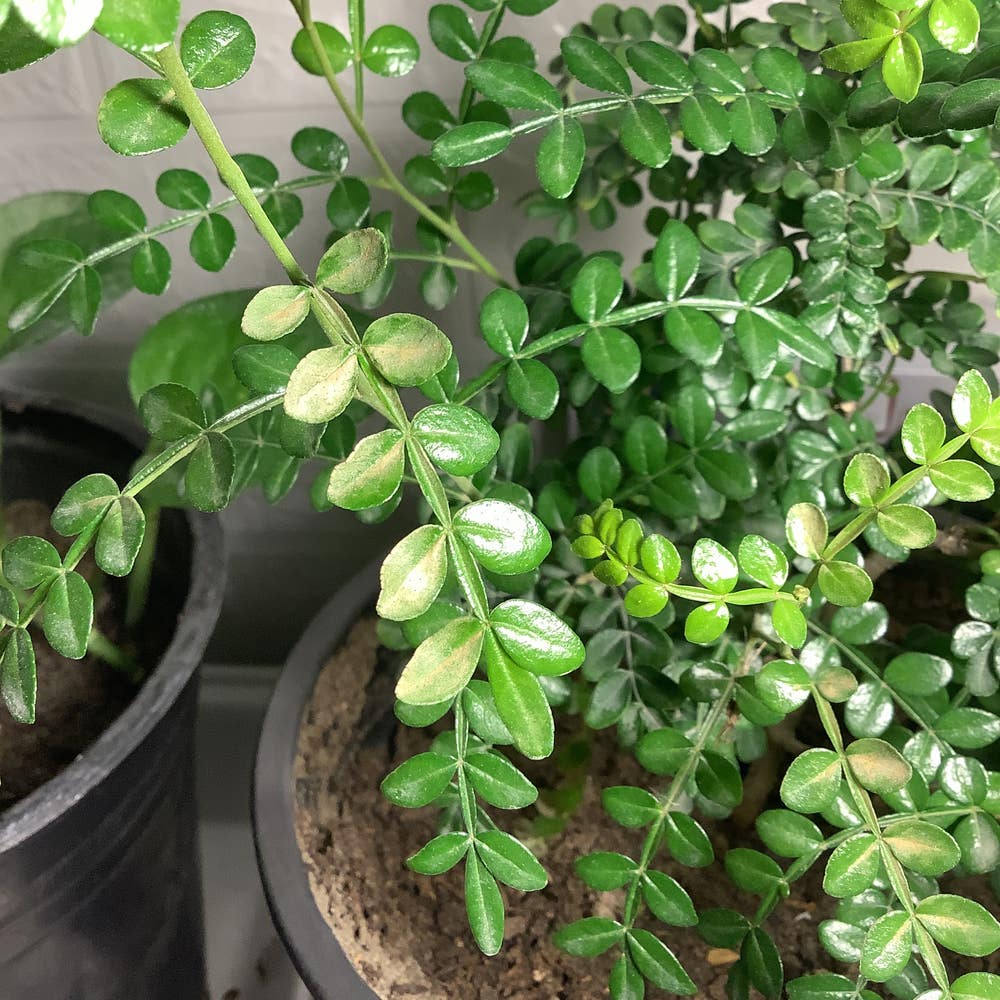
3 Tips for Healing Brown Spots on Your Sichuan Pepper 🩹
Zanthoxylum schinifolium
By the Greg Editorial Team
Oct 25, 2024•7 min read
This article was created with the help of AI so we can cover more plants for you. May contain errors. See one? Report it here.
Revitalize your Sichuan Pepper by uncovering the secrets to combat brown spots and boost its health! 🌱💧
- 🌱 Brown spots arise from fungal infections, nutrient deficiencies, and watering issues.
- 🐛 Pests like aphids and spider mites can worsen brown spots on leaves.
- 🌿 Early detection and proper care are key to healing Sichuan Pepper plants.
Causes of Brown Spots
🦠 Fungal Infections and Their Impact
Fungal infections are a primary culprit behind brown spots on Sichuan Pepper plants. One common issue is leaf spot disease, characterized by dark brown spots surrounded by yellow halos.
These conditions thrive in high humidity and poor air circulation. The impact on plant health can be significant, leading to reduced photosynthesis and overall vigor. If left unchecked, these infections can spread to other plants, compounding the problem.
🥦 Nutrient Deficiencies
Nitrogen Deficiency
A nitrogen deficiency manifests as yellowing leaves with brown spots and stunted growth. Nitrogen is crucial for leaf health and overall growth, making its absence particularly detrimental.
Magnesium Deficiency
Magnesium deficiency presents as interveinal chlorosis, where the area between leaf veins turns yellow while the veins remain green. Magnesium plays a vital role in chlorophyll production, directly affecting leaf health.
💧 Watering Issues
Overwatering
Overwatering can lead to brown spots, wilting, and even root rot. Ensuring well-drained soil is essential for maintaining the health of your Sichuan Pepper.
Underwatering
On the flip side, underwatering results in dry, crispy edges on leaves, often accompanied by brown spots. This is a clear sign of stress due to insufficient moisture.
🐜 Pest Infestations
Aphids
Aphids can cause curling leaves, sticky residue, and the presence of ants. Their impact on leaf health includes stunted growth and the potential for disease transmission.
Spider Mites
Spider mites leave fine webbing and stippled leaves, often leading to yellowing. This damage reduces plant vigor and increases susceptibility to diseases.
Understanding these causes is crucial for effectively treating and preventing brown spots on your Sichuan Pepper. Next, we’ll explore how to diagnose these issues accurately.
Diagnosing Brown Spots
🕵️ Identifying Symptoms of Leaf Spot Disease
Leaf spot disease manifests as dark brown spots, often surrounded by yellow halos. Early detection is crucial; catching it in the initial stages can significantly improve treatment outcomes.
🦠 Differentiating Between Fungal and Pest-Related Issues
To distinguish between fungal infections and pest infestations, look for specific indicators. Fungal issues often present as irregular spots, while pests like aphids leave sticky residues and cause curling leaves.
🌤️ Assessing Environmental Factors
Light Conditions
Sichuan Pepper thrives in full sun to partial shade. If you notice stretching or pale leaves alongside brown spots, your plant may not be receiving enough light.
💧 Humidity Levels
The ideal humidity range for Sichuan Pepper is between 40% and 60%. High humidity can promote fungal growth, leading to further leaf health issues.
Understanding these diagnostic elements will help you take proactive steps in treating and preventing brown spots. Next, we’ll explore effective treatment options to restore your Sichuan Pepper's health.
Treating Brown Spots
🌱 Organic Fungicides and Their Application
To combat brown spots on your Sichuan Pepper, consider using organic fungicides like neem oil and copper-based options. These treatments are effective and environmentally friendly.
When applying these fungicides, follow specific guidelines: dilute according to the manufacturer's instructions and apply during cooler parts of the day to avoid leaf burn. Typically, you should reapply every 7 to 14 days, especially after rain.
🌿 Nutrient Supplementation
Fertilizers
Nutrient deficiencies can exacerbate brown spots, so using the right fertilizers is crucial. Balanced NPK fertilizers and slow-release options are ideal for promoting healthy growth.
Timing is key; apply fertilizers during active growth periods, typically in spring and early summer. This ensures your Sichuan Pepper gets the nutrients it needs when it needs them most.
💧 Adjusting Watering Practices
Proper watering is essential for preventing brown spots. Aim to water your Sichuan Pepper when the top inch of soil feels dry, ensuring you provide enough moisture without overdoing it.
Be mindful of signs of overwatering, such as wilting or yellowing leaves, and adjust your practices accordingly. Well-drained soil is vital to keep your plant healthy and thriving.
🐞 Pest Control Methods
Insecticidal Soap
Insecticidal soap is a powerful ally against pests like aphids and spider mites. To use it effectively, spray directly on the affected areas, ensuring thorough coverage.
Apply the soap every 7 to 10 days until the pests are gone, and always follow safety precautions to protect beneficial insects in your garden.
🌳 Neem Oil
Neem oil serves a dual purpose: it controls pests and helps prevent fungal issues. For maximum effectiveness, apply neem oil in the evening or early morning when temperatures are cooler.
Reapply every 1 to 2 weeks, especially after rain, to maintain its protective benefits. This natural solution can keep your Sichuan Pepper healthy and vibrant.
By addressing these treatment methods, you can effectively manage brown spots and ensure your Sichuan Pepper thrives. Next, let’s explore how to prevent these issues from arising in the first place.
Preventing Brown Spots
🌊 Best Practices for Watering and Drainage
To keep your Sichuan Pepper healthy, establish a consistent watering schedule. Adjust frequency based on the season and soil moisture levels to prevent brown spots.
Using well-draining soil and pots is crucial. This ensures excess water flows away, reducing the risk of root rot and fungal infections.
🌱 Soil Health and Amendments
Enhancing soil health is key to preventing brown spots. Incorporate compost and perlite to improve drainage and nutrient availability.
Maintaining the soil pH within the optimal range of 6.0 to 7.0 is essential. This balance supports healthy growth and nutrient uptake.
☀️ Proper Sunlight Exposure
Ensure your Sichuan Pepper receives adequate sunlight by placing it in a well-lit area. Aim for full sun to partial shade for optimal growth.
Watch for signs of light stress, such as stretching or pale leaves. If you notice these symptoms, consider adjusting the plant's placement.
🔍 Regular Monitoring and Maintenance
Routine inspections are vital for early detection of potential issues. Regularly check for pests, leaf health, and soil moisture to catch problems before they escalate.
Implementing these monitoring practices will help you maintain a thriving Sichuan Pepper. Staying proactive ensures your plant remains vibrant and free from brown spots.
With these preventive measures in place, your Sichuan Pepper will be well-equipped to flourish. Next, let’s explore seasonal considerations to further enhance its health and resilience.
Seasonal Considerations
🌱 Spring Care for Sichuan Pepper
Spring is the perfect time to give your Sichuan pepper a little TLC. Start with fertilization to boost growth, followed by pruning to encourage a bushier shape and better air circulation.
Pest monitoring is crucial as temperatures rise. Keep an eye out for any unwanted visitors that could harm your plant.
☀️ Summer Heat and Humidity Management
As summer heat sets in, managing stress is essential. Mulching helps retain soil moisture, while shading can protect your plant from the harsh afternoon sun.
Consistent watering is key during these hot months. Make sure your Sichuan pepper gets enough hydration to thrive.
🍂 Fall Preparation for Winter
As fall approaches, it's time to prepare your Sichuan pepper for dormancy. Begin reducing watering to prevent root rot as the plant slows down.
Protecting the roots from frost is vital. Consider adding mulch or other protective layers to keep them safe during the colder months.
❄️ Winter Care and Protection from Frost
Winter brings its own set of challenges. Mulching and covering your Sichuan pepper can provide much-needed insulation against frost.
During dormancy, it's easy to overwater. Monitor soil moisture carefully to ensure your plant stays healthy until spring returns.
With these seasonal strategies, your Sichuan pepper will be well-equipped to handle the changing weather. Next, let’s dive into effective treatments for those pesky brown spots!
⚠️ Safety First
This content is for general information and may contain errors, omissions, or outdated details. It is not medical, veterinary advice, or an endorsement of therapeutic claims.
Always consult a qualified healthcare professional before using any plant as food, medicine, or supplement.
Never eat any plant (or feed one to pets) without confirming its identity with at least two trusted sources.
If you suspect poisoning, call Poison Control (800) 222-1222, the Pet Poison Helpline (800) 213-6680, or your local emergency service immediately.
Spotted an error? Please report it here.
Keep your Sichuan Pepper thriving 🌶️ by using Greg's tailored care tips and watering reminders to prevent brown spots and boost its health!