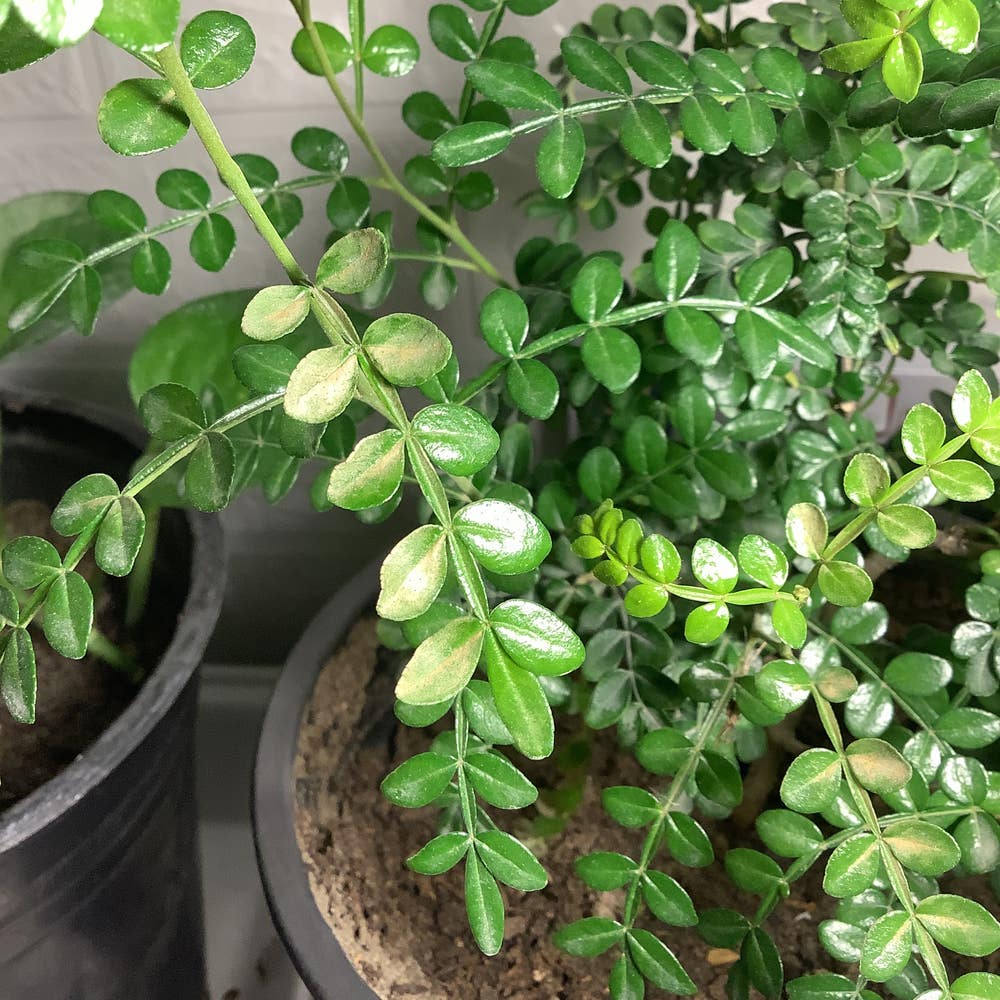
When to Repot Sichuan Pepper 🌶️
Zanthoxylum schinifolium
By the Greg Editorial Team
Oct 25, 2024•6 min read
This article was created with the help of AI so we can cover more plants for you. May contain errors. See one? Report it here.
Revitalize your Sichuan Pepper's growth and health with this must-read repotting guide! 🌱✨
- 🌱 Repot Sichuan Pepper in spring or early summer for optimal growth.
- 🛠️ Gather essential materials like potting soil and scissors before repotting.
- 🌿 Inspect and trim roots to promote healthy growth during repotting.
Repotting Process
Repotting your Sichuan Pepper is a rewarding task that can rejuvenate your plant and promote healthy growth. Follow this step-by-step guide to ensure a smooth transition.
Step-by-step guide to repotting Sichuan Pepper 🌱
- Choose the right time: Look for seasonal indicators, ideally during spring or early summer when the plant is actively growing.
- Gather necessary materials: You'll need a new pot, quality potting soil, and some basic tools like a trowel and scissors.
- Remove the plant: Carefully take the plant out of its current pot, being gentle to avoid damaging the roots.
- Inspect the root system: Check for any signs of damage or rot that may need addressing.
- Trim damaged roots: Use sterilized scissors to cut away any unhealthy roots, promoting better growth.
- Place the plant in the new pot: Ensure the plant sits at the right depth, with the root ball slightly below the rim.
- Fill with fresh potting soil: Add soil around the plant, leaving some space at the top for watering.
Preparing the new pot and soil 🪴
Selecting the right pot size
When choosing a new pot, follow the general rule: it should be about 2 inches larger in diameter than the current one. This allows enough room for growth without overwhelming the roots.
Recommended soil composition
Opt for a well-draining potting mix enriched with organic matter. Aim for a pH level between 6.0 and 7.0 to create an optimal environment for your Sichuan Pepper.
Techniques for handling the root system 🌿
Gentle handling
Always handle the roots gently to prevent damage. This is crucial for maintaining the plant's health during the repotting process.
Loosening tightly bound roots
If the roots are tightly bound, gently tease them apart. This encourages new growth and helps the plant adapt to its new home.
Importance of soil integrity
Maintaining soil integrity during the transfer is vital. Avoid shaking off too much old soil, as it can disrupt beneficial microorganisms.
With these steps and techniques, your Sichuan Pepper will be well on its way to thriving in its new pot. Next, let’s explore the best pot materials to enhance your plant's growth.
Pot Material Options
Choosing the right pot material is crucial for the health of your Sichuan pepper plant. Each material has its unique characteristics that can influence growth, drainage, and overall plant well-being.
🏺 Best pot materials
When it comes to container gardening, several materials stand out. The most common options include ceramic, plastic, terracotta, and metal. Each has its pros and cons, which can significantly affect your plant's growth.
🎨 Pros and cons of ceramic pots
Ceramic pots are often favored for their aesthetic appeal. They provide good insulation, helping to maintain stable soil temperatures.
However, they can be quite heavy, making them difficult to move. Additionally, ceramic pots may crack in freezing temperatures, which can be a concern in colder climates.
💧 Pros and cons of plastic pots
Plastic pots are lightweight and affordable, making them a popular choice among gardeners. They often come with good drainage options, which is essential for preventing root rot.
On the downside, plastic pots are less durable than other materials. They can also heat up quickly in direct sunlight, potentially stressing your plant.
🌱 Pros and cons of terracotta pots
Terracotta pots excel in drainage, allowing excess moisture to escape. Their breathable material promotes healthy root development.
However, they can dry out quickly, requiring more frequent watering. This can be a challenge, especially during hot weather.
🚫 Avoiding metal pots
Metal pots might seem appealing, but they come with significant risks. They can retain heat, leading to root burn, which is detrimental to your plant's health.
Moreover, metal pots are prone to rust and may leach harmful chemicals into the soil. For these reasons, it's best to steer clear of them.
In summary, selecting the right pot material is vital for your Sichuan pepper's success. Understanding the pros and cons of each option will help you make an informed decision, ensuring your plant thrives in its new home.
Next, let’s explore the essential post-repotting care to keep your plant healthy and vibrant.
Post-Repotting Care
Watering Schedule After Repotting 💧
After repotting your Sichuan pepper, start with light watering. This helps settle the soil around the roots without overwhelming them.
As you move forward, keep an eye on moisture levels. It's crucial to avoid overwatering, which can lead to root rot.
Fertilization After Repotting 🌱
Timing is everything when it comes to fertilization. Wait about 4 to 6 weeks after repotting before introducing any fertilizers.
Opt for balanced NPK fertilizers or organic options to give your plant the nutrients it needs without shocking it.
Monitoring for Transplant Shock 🚨
Transplant shock can be a real concern. Look out for signs like wilting, leaf drop, or slowed growth.
To help your plant recover, minimize stress by maintaining stable conditions. This includes consistent light and temperature, which can make all the difference in its recovery.
In summary, proper post-repotting care is essential for your Sichuan pepper's health. By following these guidelines, you can ensure a smooth transition and encourage robust growth. Next, let’s explore common problems and solutions that may arise after repotting.
Common Problems and Solutions
🌱 Addressing Root-Bound Issues
Root-bound plants can struggle to thrive. To prevent this, regularly monitor your Sichuan Pepper and repot it when necessary.
If you find your plant has become root-bound, root pruning can help. Trim back the roots gently to encourage new growth and prevent stunting.
😟 Signs of Stress After Repotting
After repotting, your Sichuan Pepper may show signs of stress. Look out for yellowing leaves and drooping stems as common symptoms.
If you notice these signs, adjust your watering and light exposure immediately. This can help your plant recover more quickly.
🚿 Solutions for Poor Drainage
Proper drainage is crucial for healthy plant growth. Ensure your pots have drainage holes to prevent waterlogging.
If you encounter poor drainage, consider soil amendments like perlite or sand. These can improve aeration and moisture retention.
Additionally, elevating pots can enhance airflow. This simple technique can make a significant difference in your plant's health.
By addressing these common issues, you can keep your Sichuan Pepper thriving and vibrant. Next, let’s explore the best pot materials to support your plant’s growth.
⚠️ Safety First
This content is for general information and may contain errors, omissions, or outdated details. It is not medical, veterinary advice, or an endorsement of therapeutic claims.
Always consult a qualified healthcare professional before using any plant as food, medicine, or supplement.
Never eat any plant (or feed one to pets) without confirming its identity with at least two trusted sources.
If you suspect poisoning, call Poison Control (800) 222-1222, the Pet Poison Helpline (800) 213-6680, or your local emergency service immediately.
Spotted an error? Please report it here.
Repot your Sichuan Pepper like a pro 🌱 with Greg's tailored reminders and expert tips to help your plant thrive in its new home!