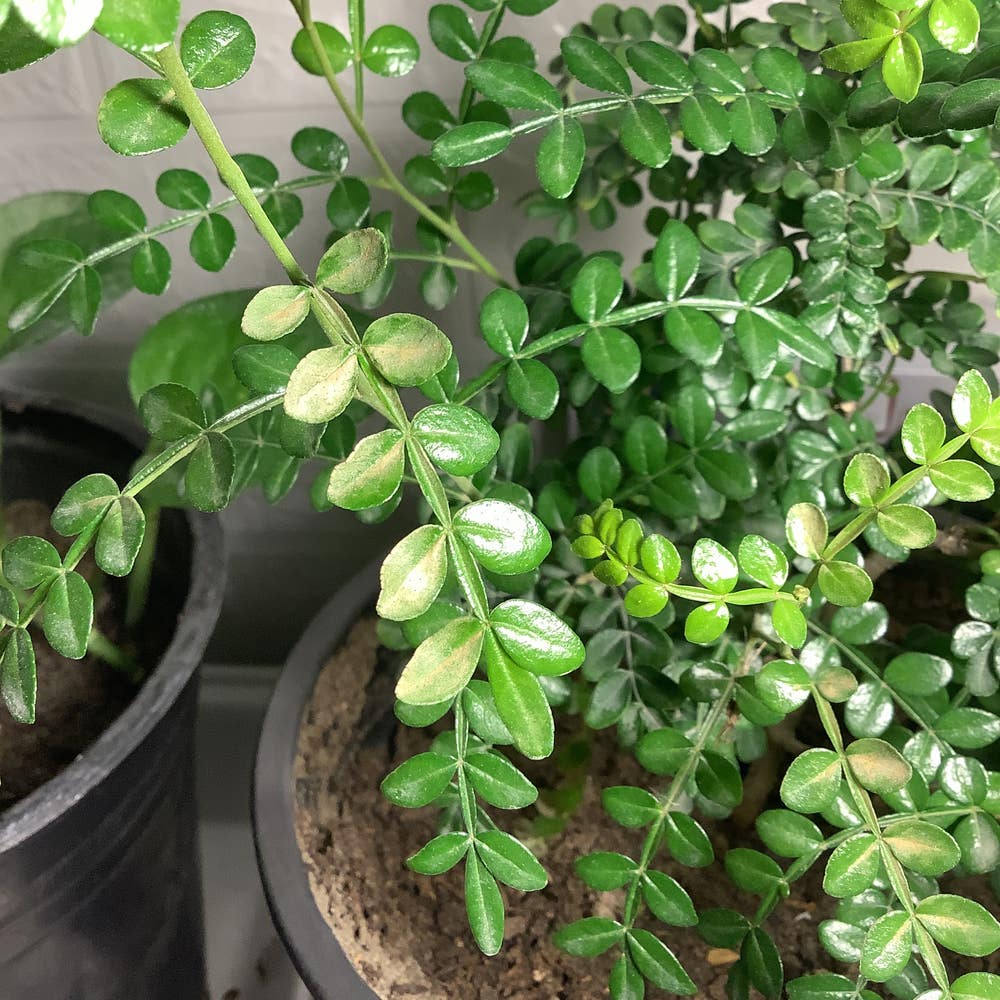
🌶️ Step-by-Step Guide to Choosing Soil for Sichuan Pepper
Zanthoxylum schinifolium
By the Greg Editorial Team
Oct 25, 2024•4 min read
This article was created with the help of AI so we can cover more plants for you. May contain errors. See one? Report it here.
Unlock vibrant Sichuan pepper plants by mastering soil health and care! 🌱🛠️
- 🌱 Recognizing unhealthy soil is crucial for thriving Sichuan pepper plants.
- ⚖️ Ideal pH range for Sichuan pepper is 6.0 to 7.0; test regularly!
- 🏡 Improve soil health with compost, aeration, and proper drainage techniques.
Identifying Unhealthy Soil
Signs of Unhealthy Soil 🌱
Recognizing unhealthy soil is crucial for the health of your Sichuan pepper plants. One clear indicator is moldy soil, which appears as white or gray mold on the surface. This often results from overwatering or poor air circulation.
Another sign is compaction, characterized by a hard, crusty surface that makes digging difficult. If you notice poor drainage, such as water pooling after rain or slow absorption, it’s time to investigate further.
Common Soil Problems ⚠️
Unhealthy soil can lead to various problems, including nutrient deficiency. Symptoms include yellowing leaves and stunted growth, often due to a lack of nitrogen, phosphorus, or potassium.
Additionally, a pH imbalance can hinder plant health, manifesting as poor growth and leaf discoloration. Understanding these issues is the first step toward a thriving garden.
Solutions for Unhealthy Soil 🛠️
Fortunately, there are effective remediation techniques to restore soil health. Start with aeration; using a garden fork can help loosen compacted soil easily.
Adding organic matter like compost or well-rotted manure is another simple solution. For those facing drainage issues, consider incorporating sand or perlite, which can moderately improve soil structure.
By identifying and addressing these signs and problems, you set the stage for healthier plants and a more productive garden. Next, let’s explore the importance of soil pH and nutrient needs for your Sichuan pepper.
Soil pH and Nutrient Needs
Ideal pH Range 🌱
The optimal pH for growing Sichuan pepper is between 6.0 and 7.0, which is slightly acidic to neutral. This range is crucial because it directly affects nutrient availability and overall plant health.
Importance of pH for Nutrient Availability 📊
Soil pH influences how well plants can absorb essential nutrients. If the pH is too high or too low, nutrient uptake can be severely hindered, leading to poor growth.
How to Test Soil pH 🔬
To accurately assess your soil's pH, you'll need some basic tools. pH testing kits or digital pH meters are highly recommended for this task.
Testing Process
- Collect soil samples from various areas of your garden to get a comprehensive view.
- Follow the kit instructions carefully to ensure accurate results.
- Record pH levels for future reference, making it easier to track changes over time.
Adjusting Soil pH ⚖️
If your soil's pH isn't in the ideal range, don't worry—there are effective methods to adjust it.
Lowering pH (Making Soil More Acidic)
- Sulfur application: Use 1-2 pounds per 100 square feet to lower pH effectively.
- Organic mulches: Incorporate materials like pine needles or oak leaves to naturally acidify the soil.
Raising pH (Making Soil More Alkaline)
- Lime application: Similar to sulfur, apply 1-2 pounds per 100 square feet to increase pH.
- Wood ash: Use this sparingly to avoid making the soil overly alkaline.
Understanding and managing soil pH is essential for nurturing healthy Sichuan pepper plants. With the right adjustments, you can create an optimal growing environment that supports robust growth and vibrant flavors.
Next, let’s dive into creating a homemade soil mix that will further enhance your gardening success!
Creating a Homemade Soil Mix
Step-by-Step Guide to Mixing Soil 🌱
Creating your own soil mix is a rewarding process. Start by gathering essential materials: peat moss, compost, perlite, and sand.
Next, mix these ingredients in a large container or wheelbarrow. Combine equal parts of peat moss and compost, then add 30% perlite and 30% sand.
Finally, ensure a uniform consistency by mixing thoroughly to avoid clumping. This step is crucial for achieving the right texture and drainage.
Recommended Ratios for Ingredients ⚖️
For an ideal soil mix, aim for the following ratios:
- 40% peat moss
- 30% compost
- 20% perlite
- 10% coarse sand
These ratios provide a balanced environment for your Sichuan pepper plants. Adjust the sand content if you're dealing with heavy clay areas to enhance drainage.
Tips for Ensuring Proper Drainage and Aeration 🚰
To improve drainage, use coarse materials like coarse sand or gravel. These additions help prevent waterlogging, which can harm your plants.
Regularly check soil moisture using a moisture meter. This tool helps you avoid overwatering, ensuring your plants thrive in the right conditions.
With your homemade soil mix ready, you're one step closer to growing healthy Sichuan pepper plants. Next, let’s explore the importance of soil pH and nutrient needs for optimal growth.
⚠️ Safety First
This content is for general information and may contain errors, omissions, or outdated details. It is not medical, veterinary advice, or an endorsement of therapeutic claims.
Always consult a qualified healthcare professional before using any plant as food, medicine, or supplement.
Never eat any plant (or feed one to pets) without confirming its identity with at least two trusted sources.
If you suspect poisoning, call Poison Control (800) 222-1222, the Pet Poison Helpline (800) 213-6680, or your local emergency service immediately.
Spotted an error? Please report it here.
Nurturing your Sichuan pepper plants starts with healthy soil 🌱, and Greg can guide you with tailored soil tips and pH monitoring to help them flourish!