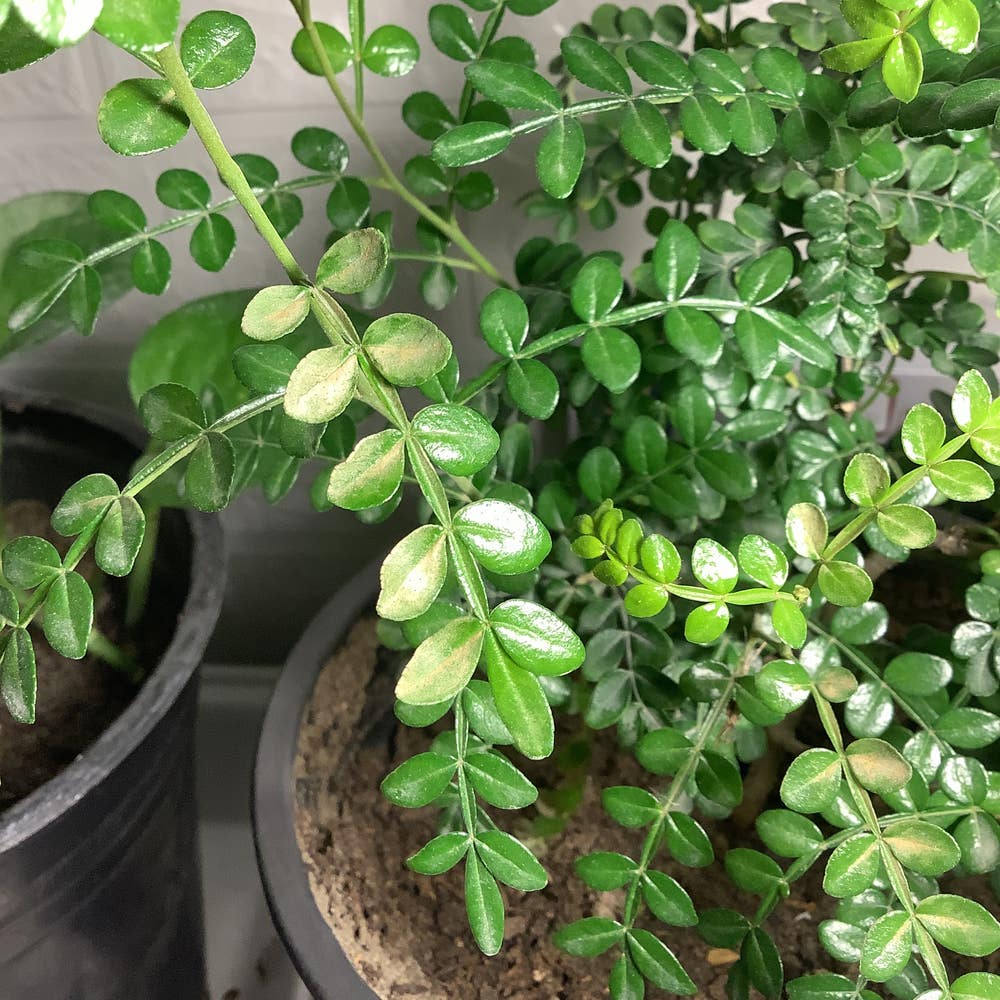
5 Tips for Healthy Sichuan Pepper Roots 🌶️
Zanthoxylum schinifolium
By the Greg Editorial Team
Oct 25, 2024•7 min read
This article was created with the help of AI so we can cover more plants for you. May contain errors. See one? Report it here.
Master Sichuan pepper roots 🌱 for thriving plants and a bountiful harvest with these essential care tips!
- 🌱 Sichuan pepper roots thrive in well-draining soil for optimal health and growth.
- 💧 Deep, infrequent watering encourages robust root systems and prevents rot.
- 🔍 Regular checks for rootbound conditions ensure healthy growth and thriving plants.
Root System Characteristics
Type of Root System 🌱
Sichuan pepper plants boast a fibrous root system, characterized by a dense network of thin roots that spread horizontally. This structure is designed for efficient nutrient and water uptake, allowing the plant to thrive in various conditions.
In contrast to taproot systems, fibrous roots offer significant advantages. They adapt better to varying soil types, making Sichuan pepper resilient in diverse environments. This adaptability is crucial for healthy growth and optimal flavor production.
Comparison with Taproot Systems 🔍
While taproot systems penetrate deeply into the soil, fibrous roots spread out, maximizing surface area. This means they can access moisture and nutrients from a broader area, which is especially beneficial in less-than-ideal soil conditions.
The ability to thrive in different environments makes fibrous roots a smart choice for gardeners looking to cultivate Sichuan pepper. Their versatility ensures that these plants can flourish, even when faced with challenges.
With a solid understanding of root systems, we can now explore how root depth and spread contribute to the overall health of Sichuan pepper plants.
Root Depth and Spread
Typical Depth and Spread 🌱
Sichuan pepper roots can reach impressive depths of 12 to 24 inches (30-60 cm), depending on the soil conditions. Their horizontal spread is equally remarkable, often extending up to 3 feet (90 cm) or more, allowing them to efficiently gather nutrients and water.
Growth Patterns 🌿
The growth of Sichuan pepper roots occurs in distinct phases. Initially, during the first year, they establish rapidly, creating a dense network that supports the plant's stability and nutrient absorption.
In terms of seasonal growth, expect active development in spring and summer. As temperatures drop in fall and winter, growth slows down, allowing the roots to conserve energy and prepare for the next cycle.
Understanding these growth patterns is essential for effective care. By recognizing when your Sichuan pepper is actively growing, you can tailor your watering and fertilizing strategies for optimal health.
This knowledge sets the stage for addressing watering and fertilizing needs, ensuring your plant thrives throughout its growth journey.
Watering and Fertilizing
🌱 Impact of Root System on Care
Watering your Sichuan pepper roots requires a thoughtful approach. Allow the soil to dry slightly between waterings to prevent root rot, which can be a common issue.
Aim for deep but infrequent watering, especially if your soil drains well. This method encourages the roots to grow deeper, enhancing their stability and nutrient uptake.
🧪 Fertilization Strategies
Using balanced fertilizers during the growing season is essential for healthy growth. Apply these fertilizers every 4-6 weeks, adjusting based on the health and growth of your roots.
Keep an eye on your plants; if they show signs of nutrient deficiency, consider modifying your fertilization schedule. Healthy roots lead to vibrant plants, so nurturing them is key to your success.
With proper watering and fertilization, your Sichuan pepper roots will thrive, setting the stage for robust plant growth. Next, let’s explore common root issues and how to identify them early.
Common Root Issues
Identifying Problems 🌱
Root health is crucial for the vitality of Sichuan pepper plants. One of the most common issues is root rot, which manifests through wilting, yellowing leaves, and mushy roots.
This condition often arises from overwatering and poor drainage. If you notice these symptoms, it’s a clear sign that your plant is struggling.
Another issue to watch for is nutrient deficiencies. Symptoms include stunted growth and discoloration of leaves.
These problems typically stem from poor soil quality or insufficient fertilization, which can hinder your plant's overall health.
Prevention and Solutions 🛠️
Preventing root rot is essential for maintaining healthy Sichuan pepper roots. Start by ensuring you have well-draining soil and pots with drainage holes.
Monitoring your watering habits closely can also make a significant difference. Allow the soil to dry slightly between waterings to avoid creating a soggy environment.
To address nutrient deficiencies, regular soil testing is key. This allows you to make appropriate fertilization adjustments based on your plant's specific needs.
Using balanced fertilizers during the growing season can help replenish essential nutrients and promote robust growth.
By keeping an eye on these common root issues, you can foster a thriving Sichuan pepper plant that flourishes in your garden.
Next, let’s explore how to recognize and address rootbound plants, ensuring your pepper roots have the space they need to thrive.
Root Health Indicators
Visual Cues for Healthy Roots 🌱
Healthy roots are a gardener's pride. Look for roots that are white or light tan, firm to the touch, and adorned with tiny root hairs.
In contrast, unhealthy roots present a worrying sight. Dark brown or black coloration, a mushy texture, and the absence of root hairs signal that something is amiss.
Other Indicators 🌿
Plant vigor is another key indicator of root health. A thriving plant showcases robust growth and vibrant foliage, reflecting the strength of its root system.
Soil condition also plays a crucial role. Healthy roots enhance soil structure and boost nutrient availability, creating a thriving environment for your Sichuan pepper plants.
By keeping an eye on these indicators, you can ensure your plants remain healthy and productive. This awareness sets the stage for addressing any potential issues before they escalate.
Next, we’ll explore how to recognize and address rootbound plants, ensuring your Sichuan pepper continues to flourish.
Recognizing and Addressing Rootbound Plants
Definition and Signs 🌱
Rootbound plants occur when roots circle the pot, restricting growth and leading to nutrient deficiencies. You can spot this condition if you see roots emerging from drainage holes, experience slow growth, or notice wilting despite regular watering.
Solutions 🌿
Timing for Intervention ⏰
To keep your Sichuan Pepper thriving, check for rootbound conditions annually or biannually, especially if it’s in a container. Early detection can save your plant from stress.
Repotting and Pruning ✂️
If you find your plant rootbound, repotting into a larger container with fresh soil is a must. This gives the roots room to expand and absorb nutrients effectively.
Sometimes, you may need to prune the roots to encourage new growth. This can be a bit daunting, but it’s often necessary for the health of your plant.
By addressing rootbound conditions promptly, you ensure your Sichuan Pepper continues to flourish. Next, let’s explore how to propagate and divide your plants for even more growth opportunities.
Propagation and Division
Importance of Root Health 🌱
Healthy roots are the backbone of successful propagation and division. Before diving into the process, it's essential to assess root health to ensure your plant thrives.
Techniques for Assessing Root Health 🔍
Check for firmness and color. Healthy roots should be white or light tan, indicating vitality, while dark or mushy roots signal trouble.
Division Techniques ✂️
- Water the plant thoroughly a day before division to ease the process.
- Carefully remove the plant from its pot, taking care not to damage the roots.
- Gently separate the roots, ensuring each division has enough root mass for stability.
- Replant divisions in well-draining soil and water lightly to help them settle in.
Timing for Division ⏰
The best time for division is early spring, just before the active growth phase begins. This timing allows the plant to recover quickly and flourish.
By following these steps, you can ensure your Sichuan pepper plants not only survive but thrive, setting the stage for a bountiful harvest. Next, let’s explore how to recognize and address rootbound plants, ensuring your plants continue to grow strong and healthy.
⚠️ Safety First
This content is for general information and may contain errors, omissions, or outdated details. It is not medical, veterinary advice, or an endorsement of therapeutic claims.
Always consult a qualified healthcare professional before using any plant as food, medicine, or supplement.
Never eat any plant (or feed one to pets) without confirming its identity with at least two trusted sources.
If you suspect poisoning, call Poison Control (800) 222-1222, the Pet Poison Helpline (800) 213-6680, or your local emergency service immediately.
Spotted an error? Please report it here.
Cultivate thriving Sichuan pepper roots 🌱 with deep watering and balanced fertilizers, and let Greg's personalized care reminders guide you to ensure your plants flourish!