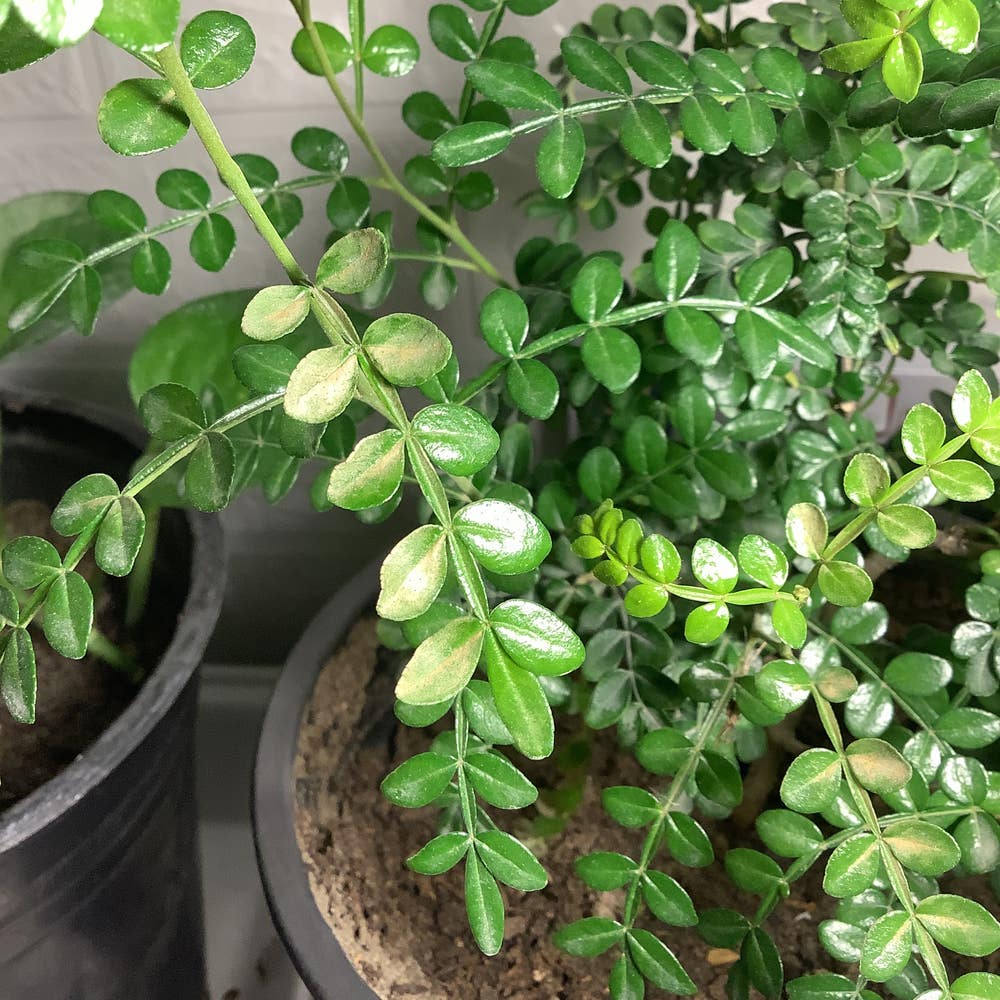
How to Cure Leaves Falling Over on Your Sichuan Pepper 🌶️
Zanthoxylum schinifolium
By the Greg Editorial Team
Oct 25, 2024•4 min read
This article was created with the help of AI so we can cover more plants for you. May contain errors. See one? Report it here.
Master essential care techniques 🌱 to prevent leaf drop and keep your Sichuan pepper thriving all year round!
- 🌱 Monitor soil moisture to prevent leaves from falling over on your Sichuan pepper.
- 🐛 Check for pests like aphids and spider mites causing leaf issues.
- 🌿 Fertilize and prune regularly to promote healthy growth and vitality.
Diagnosing the Problem
Assessing Soil Moisture Levels 🌧️
Checking soil moisture is crucial for your Sichuan pepper's health. Use the finger test by inserting your finger into the soil; if it feels dry an inch down, it’s time to water.
Alternatively, a moisture meter can provide a more precise reading. Aim to keep the soil consistently moist but avoid sogginess, as too much water can lead to root rot.
Checking for Pests and Diseases 🐛
Pests can wreak havoc on your Sichuan pepper. Look out for common culprits like aphids and spider mites; signs include curled leaves and webbing.
Fungal diseases, such as root rot and leaf spot, can also be problematic. Regular visual inspections and using sticky traps can help catch these issues early.
Evaluating Nutrient Levels in the Soil 🥦
Understanding nutrient levels is essential for vibrant growth. Soil testing kits are handy tools for analyzing nutrient content; simply follow the instructions for accurate results.
Watch for signs of nutrient deficiency, such as leaf discoloration and stunted growth. These indicators can guide you in making necessary adjustments to your care routine.
With these diagnostic steps, you can identify the root causes of your Sichuan pepper's leaf drop. Next, let’s explore preventive measures to keep your plant thriving.
Preventive Measures
Proper Watering Techniques 💧
Maintaining the right moisture level is crucial for your Sichuan pepper. Aim to water consistently, ensuring the soil stays moist but not soggy.
For effective watering, consider deep watering over surface watering. This technique encourages roots to grow deeper, enhancing the plant's resilience.
Soil Amendments for Nutrient Balance 🌱
To keep your Sichuan pepper thriving, incorporate soil amendments like compost and bone meal. These additions enrich the soil, providing essential nutrients for robust growth.
Don’t forget about pH adjustments. Maintaining slightly acidic conditions helps your plant absorb nutrients more efficiently.
Best Practices for Pest Management 🐞
Regular inspections are key to keeping pests at bay. Check your plants weekly for any signs of trouble, using visual checks and sticky traps for thorough monitoring.
For natural pest control, introduce beneficial insects like ladybugs or use organic sprays. These methods help manage pests without harming your plant or the environment.
With these preventive measures in place, your Sichuan pepper will be better equipped to thrive. Next, we’ll explore treatment options to address any issues that may arise.
Treatment Options
Step-by-Step Guide to Treating Leaf Drop 🌿
Identifying the cause of leaf drop is your first step. Assess moisture levels, check for pests, and evaluate nutrient availability in the soil.
Next, adjust your watering techniques. Ensure you’re implementing proper methods to keep the soil consistently moist but not soggy.
Finally, apply the necessary treatments. Use appropriate fertilizers and pest control methods to address any identified issues.
Recommended Fertilizers and Soil Treatments 🌱
When it comes to fertilizers, consider balanced NPK options or organic alternatives. Both can provide essential nutrients to your Sichuan pepper.
Timing is crucial for application. Fertilize during the growing season and follow recommended techniques for effective use.
Pruning Techniques to Promote Healthy Growth ✂️
Knowing when to prune is vital for your plant's health. Timing should align with growth cycles to maximize recovery and growth.
Utilize effective pruning methods. Focus on removing damaged leaves and stems to encourage new growth and improve overall plant vitality.
By following these treatment options, you can effectively address leaf drop and promote a thriving Sichuan pepper plant. Next, let’s explore seasonal care tips to keep your plant healthy throughout the year.
Seasonal Considerations
🌱 Seasonal Care Tips for Sichuan Pepper
Spring is a crucial time for your Sichuan pepper. Start with fertilization to boost growth and implement pest prevention strategies to keep those pesky insects at bay.
In summer, adjust your watering routine. Ensure your plants receive adequate moisture while providing sun protection to prevent leaf scorch.
As fall approaches, prepare your Sichuan pepper for dormancy. This includes managing leaf drop and ensuring the plant is ready for the cooler months ahead.
🔄 Adjusting Care Based on Growth Cycles
Understanding the growth phases of your Sichuan pepper is essential. During active growth, your plant will need more water and nutrients.
When it enters dormancy, modify your care routine. Tailor your watering and feeding schedules to align with these natural cycles for optimal health.
❄️ Preparing for Winter Stress
Winter can be tough on your Sichuan pepper. Protect your plants by mulching and covering them to insulate against harsh conditions.
If you have potted Sichuan peppers, consider transitioning them indoors during the cold months. This will help them thrive until spring returns.
With these seasonal considerations, your Sichuan pepper will be well-equipped to flourish throughout the year. Next, let’s explore treatment options to address any issues that may arise.
⚠️ Safety First
This content is for general information and may contain errors, omissions, or outdated details. It is not medical, veterinary advice, or an endorsement of therapeutic claims.
Always consult a qualified healthcare professional before using any plant as food, medicine, or supplement.
Never eat any plant (or feed one to pets) without confirming its identity with at least two trusted sources.
If you suspect poisoning, call Poison Control (800) 222-1222, the Pet Poison Helpline (800) 213-6680, or your local emergency service immediately.
Spotted an error? Please report it here.
Keep your Sichuan pepper thriving 🌿 with Greg's tailored reminders and tips to ensure it gets the care it needs, from soil moisture checks to pest monitoring!