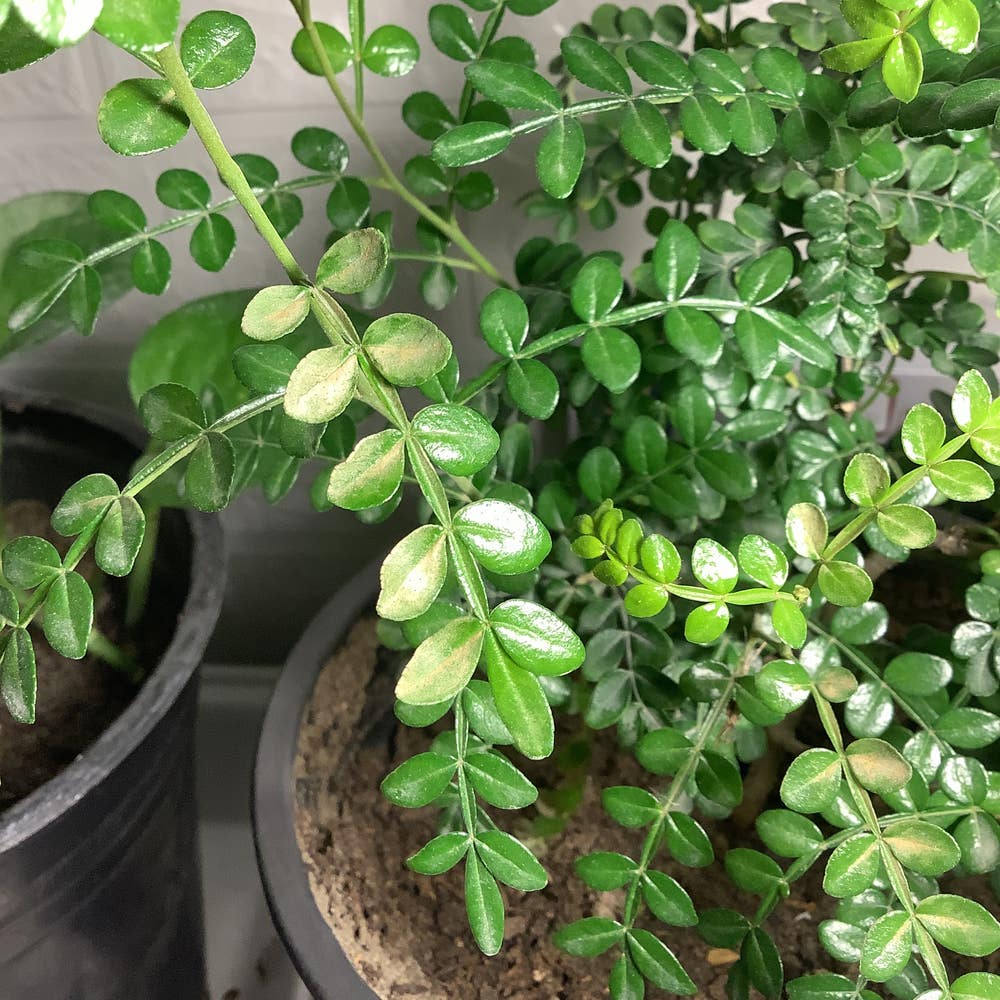
Choosing the Best Pot for Your Sichuan Pepper 🌶️
Zanthoxylum schinifolium
By the Greg Editorial Team
Oct 25, 2024•3 min read
This article was created with the help of AI so we can cover more plants for you. May contain errors. See one? Report it here.
Boost your Sichuan pepper's growth 🌱 by choosing the perfect pot for every stage of its life!
- 🌱 Start seedlings in 4-6 inch pots to prevent overwatering and establish roots.
- 🏺 Choose 12-18 inch pots for mature plants to support expanding root systems.
- 💧 Ensure proper drainage to avoid waterlogging and promote healthy root growth.
Choosing the Right Pot
🌱 Importance of Pot Size for Different Growth Stages
Seedlings
When starting Sichuan pepper from seeds, choose a pot size of 4-6 inches in diameter. Smaller pots help establish roots effectively and prevent overwatering, which can be detrimental to young plants.
Starting in these compact containers allows seedlings to thrive without drowning in excess moisture. This initial phase is crucial for setting the foundation for healthy growth.
Mature Plants
As your Sichuan pepper matures, transition to a pot size of 12-18 inches in diameter. Larger pots accommodate expanding root systems, which is vital for overall plant health and yield.
A well-sized pot ensures that the plant has enough space to grow, leading to a more robust and productive harvest.
🪴 Ideal Pot Materials
Clay Pots
Clay pots are excellent for their breathability and moisture regulation. They allow air exchange, which is beneficial for root health.
However, they can be heavier and may crack in freezing temperatures, so consider your climate before choosing this material.
Plastic Pots
Plastic pots are lightweight, durable, and often more affordable. They are a practical choice for many gardeners.
On the downside, they are less breathable and can retain heat and moisture, which might not be ideal for all conditions. Weigh the pros and cons of each material based on your specific needs.
🌿 How Pot Choice Affects Health and Growth
The choice of pot significantly impacts root development and nutrient uptake. A suitable pot promotes healthy roots, which in turn supports overall plant vitality.
Additionally, the material of the pot affects moisture retention. Selecting pots that align with your plant's drainage requirements is essential for preventing root rot and ensuring optimal growth.
🌼 Repotting Sichuan Pepper
Signs That It's Time to Repot
Look for signs that your Sichuan pepper needs repotting. If roots are growing out of the drainage holes, it's a clear indication of being root-bound.
Stunted growth despite proper care and soil degradation, such as compacted or nutrient-depleted soil, are also signs that it's time for a new pot.
Step-by-Step Guide to Repotting
- Choose the right time: Early spring before new growth begins.
- Select a new pot: Aim for a pot that is 2-4 inches larger in diameter than the current one.
- Remove the plant: Gently loosen the root ball to avoid damage.
- Prepare the new pot: Add fresh potting mix and ensure proper drainage.
- Replant: Position the plant at the same depth as before.
- Water thoroughly: Ensure the soil settles around the roots for stability.
⚠️ Common Mistakes in Pot Selection
Overly Large or Small Pots
Choosing pots that are too large or too small can hinder growth. It's crucial to select the right size for each growth stage to support healthy development.
Ignoring Drainage Needs
Pots lacking adequate drainage can lead to serious issues. Always ensure that drainage holes are present and functional to prevent waterlogging.
Choosing the Wrong Material
The material of your pot affects moisture retention and root health. Select appropriate materials based on your climate and growing conditions to optimize plant growth.
With the right pot and materials, your Sichuan pepper can flourish beautifully. Next, let’s explore how to care for these vibrant plants as they grow!
⚠️ Safety First
This content is for general information and may contain errors, omissions, or outdated details. It is not medical, veterinary advice, or an endorsement of therapeutic claims.
Always consult a qualified healthcare professional before using any plant as food, medicine, or supplement.
Never eat any plant (or feed one to pets) without confirming its identity with at least two trusted sources.
If you suspect poisoning, call Poison Control (800) 222-1222, the Pet Poison Helpline (800) 213-6680, or your local emergency service immediately.
Spotted an error? Please report it here.
Choose the perfect pot for your Sichuan pepper 🌱 with Greg's tailored reminders and expert tips to keep your plant thriving at every growth stage!