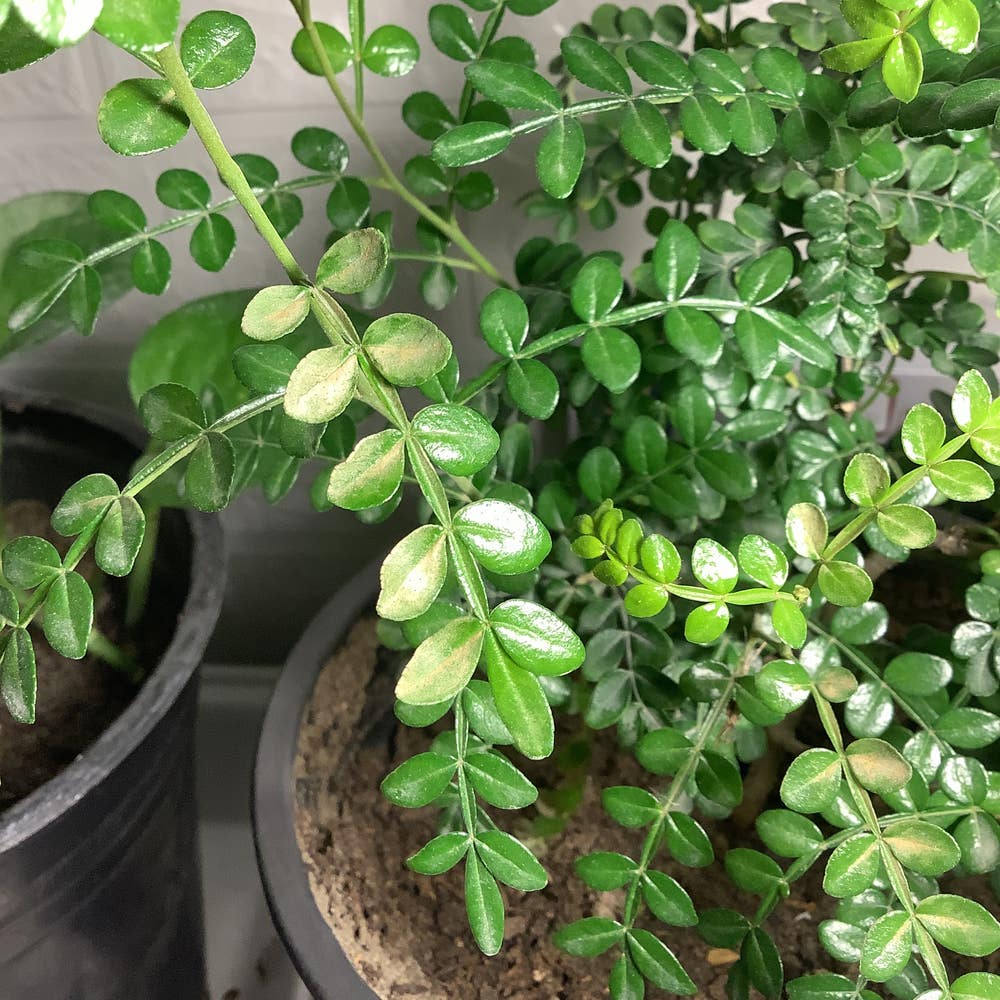
🌶 4 Essential Outdoor Sichuan Pepper Care Routines
Zanthoxylum schinifolium
By the Greg Editorial Team
Oct 25, 2024•6 min read
This article was created with the help of AI so we can cover more plants for you. May contain errors. See one? Report it here.
Cultivate vibrant Sichuan pepper plants 🌱 with essential care tips for a bountiful harvest and robust growth!
- ☀️ Sichuan pepper needs 6-8 hours of sunlight for optimal growth and berry yield.
- 💧 Water every 1-2 weeks; balance is key to prevent yellowing or wilting leaves.
- 🌱 Well-drained soil with pH 6.0-7.0 promotes nutrient uptake and healthy growth.
Sunlight Requirements
🌞 Ideal Sunlight Exposure
Sichuan pepper plants thrive in full sun, needing at least 6-8 hours of direct sunlight each day. This exposure is crucial as it promotes healthy growth and boosts fruit production.
🌑 Effects of Insufficient Sunlight
When these plants don’t get enough sunlight, they can become stunted and leggy. This lack of light not only weakens the plant but also leads to a reduced yield of berries, impacting your harvest significantly.
Ensuring your Sichuan pepper plants receive adequate sunlight is essential for their overall health and productivity. With the right conditions, you’ll be rewarded with vibrant growth and a bountiful harvest.
Next, let’s explore the watering needs of these unique plants to keep them thriving.
Watering Needs
General Guidelines 🌧️
Consistent moisture is key for outdoor Sichuan pepper plants. Aim to keep the soil evenly moist, but avoid waterlogging, which can lead to root issues.
During the growing season, water your plants every 1-2 weeks. Adjust this frequency based on rainfall and temperature to ensure they thrive.
Signs of Overwatering and Underwatering 🚰
Recognizing the signs of overwatering is crucial. Look for yellowing leaves and signs of root rot, which indicate too much moisture.
On the flip side, underwatering manifests as wilting leaves and dry soil. Keep an eye on your plants to maintain that perfect balance.
By mastering these watering needs, you set the stage for robust growth and fruitful harvests. Next, let’s explore the ideal soil preferences and fertilization strategies to further enhance your Sichuan pepper care routine.
Soil Preferences and Fertilization
Ideal Soil Conditions 🌱
For your Sichuan pepper plants, well-drained soil is crucial. This prevents root rot, which can be detrimental to their health.
The ideal soil pH ranges from slightly acidic to neutral, specifically between 6.0 and 7.0. This balance promotes optimal nutrient uptake, ensuring your plants thrive.
Fertilization Schedule 🗓️
When planting, apply a balanced fertilizer to give your Sichuan pepper a strong start. This initial boost sets the stage for healthy growth.
As the growing season progresses, fertilize every 4-6 weeks. This regular feeding helps maintain vigor and encourages fruitful berry production.
By focusing on the right soil and fertilization practices, you can cultivate robust Sichuan pepper plants that yield a bountiful harvest. Next, let’s explore the best planting options to maximize your gardening success.
Planting Options
🌱 Container vs. Ground Planting
When deciding between container and ground planting for your Sichuan pepper, consider the unique benefits each option offers. Container planting allows for mobility and gives you control over soil quality, making it easier to manage your plants.
However, container planting has its downsides. Limited root space can restrict growth, and you'll need to water more frequently to keep the soil moist.
On the other hand, ground planting provides ample space for root development and better moisture retention. This can lead to healthier plants and potentially higher yields.
Yet, ground planting isn't without challenges. You have less control over soil conditions, and once planted, your Sichuan pepper is in a permanent location, which can be a drawback if conditions change.
Ultimately, your choice will depend on your gardening style and the specific needs of your Sichuan pepper plants. Consider your space, resources, and commitment to care as you make your decision.
Now that you have a grasp on planting options, let's explore how to protect your plants from weather extremes and manage pests effectively.
Weather Protection and Pest Management
🌨️ Weather Protection Strategies
Protecting your Sichuan pepper plants from extreme weather is crucial for their health. During cold snaps, use frost cloths or blankets to shield them from frost damage.
In hot weather, shade provision is essential. Employ shade cloths to help your plants cope with intense sunlight and prevent heat stress.
🐞 Pest and Disease Management
Outdoor pests can pose a significant threat to your Sichuan pepper plants. Common culprits include aphids and spider mites, which can quickly multiply if not managed.
Regular inspections are key to early detection. Introduce natural predators, like ladybugs, to keep pest populations in check.
Common diseases such as root rot and powdery mildew can also affect your plants. Implement management strategies like ensuring well-drained soil and maintaining good air circulation to minimize these risks.
By staying vigilant and proactive, you can ensure your Sichuan pepper plants thrive despite weather challenges and pest pressures.
Next, let’s explore seasonal care routines to keep your plants healthy year-round.
Seasonal Care
Care Routines 🌱
Caring for your outdoor Sichuan pepper plants varies with the seasons. Each season brings unique tasks that ensure healthy growth and fruitful harvests.
Spring: Pruning and Fertilization 🌸
As spring arrives, it's time to prune your plants. This encourages new growth and improves air circulation.
Fertilization is also crucial during this period. Applying a balanced fertilizer will give your plants the nutrients they need to thrive.
Summer: Increased Watering and Pest Monitoring ☀️
Summer heat means your Sichuan pepper plants will need more water. Aim to keep the soil consistently moist, adjusting based on rainfall.
This season is also prime time for pests. Regularly inspect your plants for signs of aphids or spider mites and take action as needed.
Fall: Harvesting Berries and Mulching 🍂
In fall, the excitement of harvesting begins. Collect your Sichuan pepper berries when they are ripe for the best flavor.
After harvesting, mulching is essential. It helps protect the roots during the winter months and retains soil moisture.
Winter: Frost Protection and Minimal Watering ❄️
Winter requires special attention to protect your plants from frost. Use frost cloths or blankets during cold snaps to shield them.
During this season, watering should be minimal. The plants are dormant, so they don't require much moisture.
These seasonal care routines will keep your Sichuan pepper plants healthy and productive. With the right attention throughout the year, you'll enjoy a bountiful harvest and vibrant plants.
Next, let’s explore the climate zone considerations to ensure your plants thrive in their environment.
Climate Zone Considerations
🌍 Best Climate Zones
Sichuan pepper thrives in USDA Zones 6-9, making it a versatile choice for many gardeners. However, it's sensitive to frost, so be mindful of your local climate conditions.
⚠️ Special Considerations
In hot climates, ensure your plants receive adequate watering and shade to prevent stress. Conversely, in colder regions, focus on weather protection and consider sheltered planting locations to keep your Sichuan pepper safe from harsh elements.
Understanding these climate nuances will help you cultivate a healthy and productive Sichuan pepper plant. With the right care, you can enjoy its unique flavor and vibrant berries in your garden.
Next, let’s explore the essential seasonal care routines to keep your plants thriving year-round.
⚠️ Safety First
This content is for general information and may contain errors, omissions, or outdated details. It is not medical, veterinary advice, or an endorsement of therapeutic claims.
Always consult a qualified healthcare professional before using any plant as food, medicine, or supplement.
Never eat any plant (or feed one to pets) without confirming its identity with at least two trusted sources.
If you suspect poisoning, call Poison Control (800) 222-1222, the Pet Poison Helpline (800) 213-6680, or your local emergency service immediately.
Spotted an error? Please report it here.
Unlock a bountiful harvest 🌶 by mastering Sichuan pepper care with Greg's tailored watering alerts and pest management tips that keep your plants thriving!