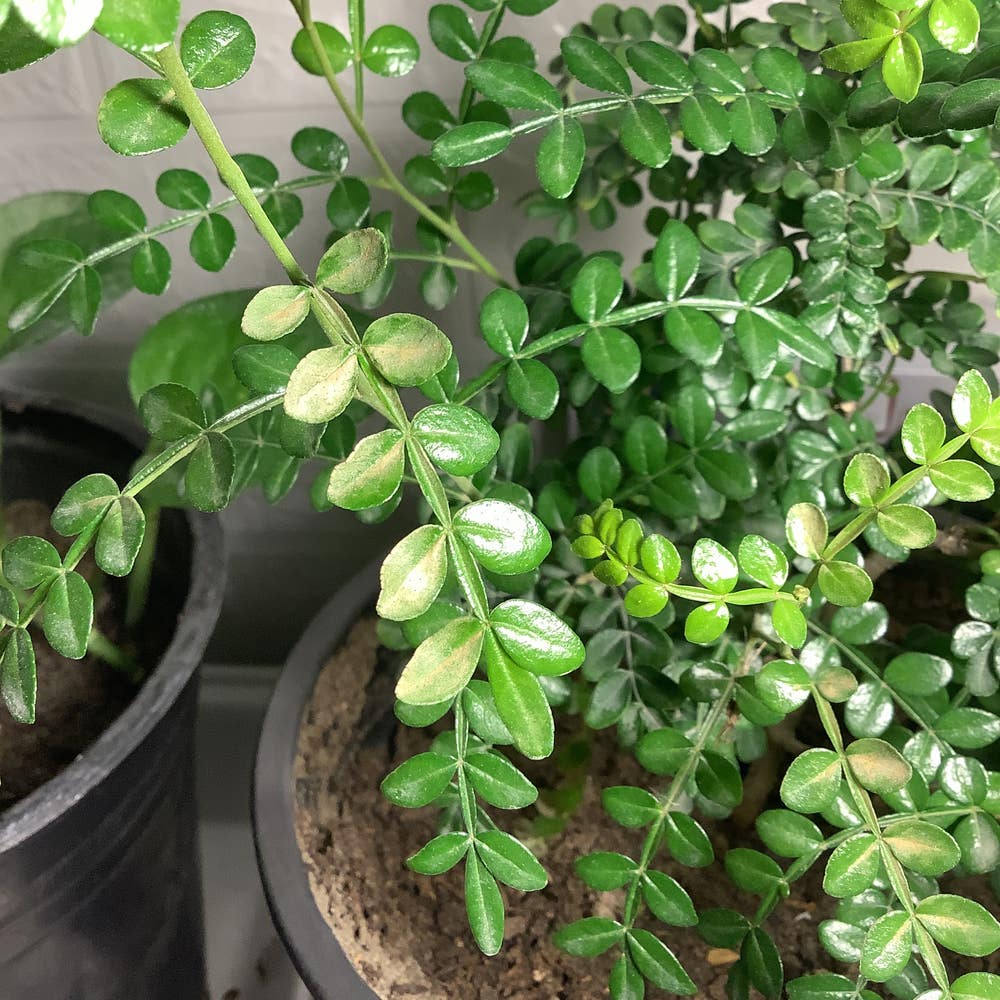
Sichuan Pepper: Not an Invasive Plant 🌶️
Zanthoxylum schinifolium
By the Greg Editorial Team
Oct 25, 2024•6 min read
This article was created with the help of AI so we can cover more plants for you. May contain errors. See one? Report it here.
Transform your garden with Sichuan Pepper 🌶️—a non-invasive gem that supports local ecosystems and delights the palate!
- 🌱 Sichuan Pepper is non-invasive, promoting ecological balance without dominating local ecosystems.
- 🐝 Attracts pollinators and provides wildlife shelter, enhancing garden biodiversity and aesthetics.
- 🍽️ Adds unique flavor to dishes, making it a culinary favorite while supporting sustainable gardening.
Plant Classification
Definition of Invasive Species 🌱
Invasive species are plants or animals that grow rapidly and reproduce prolifically. They often outcompete native flora, leading to negative impacts on local ecosystems.
Characteristics of Invasive Species 🚫
- Rapid Growth and Reproduction: These species can quickly dominate an area.
- Outcompeting Native Flora: They often thrive at the expense of local plants.
- Negative Ecosystem Impact: Their presence can disrupt the balance of local habitats.
Explanation of Why Sichuan Pepper is Non-Invasive 🌶️
Sichuan Pepper stands out for its moderate growth rate and limited spread potential. It thrives in specific conditions, such as well-drained soils and moderate climates, which naturally restrict its expansion.
Growth Patterns 📈
- Moderate Growth Rate: Unlike invasive species, Sichuan Pepper grows steadily without overwhelming its surroundings.
- Environmental Preferences: Its need for particular soil and climate conditions limits its spread.
Ecological Balance ⚖️
Sichuan Pepper does not dominate or disrupt local ecosystems. Instead, it coexists harmoniously with native plants, contributing to a balanced environment without significant competition.
This unique classification as a non-invasive species highlights the importance of understanding plant behaviors in our gardens. Next, we’ll explore the growth habits of Sichuan Pepper and how they contribute to its ecological role.
Growth Habits
Typical Growth Patterns in Gardens 🌱
Sichuan Pepper typically grows to a height of 3 to 10 feet, showcasing a bushy appearance that adds texture to any garden. Its dense branching structure not only enhances its visual appeal but also provides a habitat for beneficial insects.
This plant is remarkably adaptable, thriving in a variety of soil types and conditions. It particularly flourishes in well-drained soils, contributing to the overall diversity of your garden.
Natural Limits to Growth and Spread Potential 🚧
Several factors limit the growth of Sichuan Pepper, primarily its preference for moderate temperatures. It requires well-drained soil, which naturally restricts its spread in less suitable environments.
Additionally, its seed dispersal mechanisms are limited, meaning it won't take over your garden uninvited. With proper garden management, you can easily control its growth, ensuring it remains a delightful addition rather than an overwhelming presence.
This balance of growth habits makes Sichuan Pepper an excellent choice for gardeners looking to enhance their landscapes without introducing invasive species. Next, we’ll explore its ecological role and the benefits it brings to local ecosystems.
Ecological Role
Benefits in Ecosystems 🌼
Sichuan Pepper plays a vital role in enhancing local ecosystems. One of its standout features is its ability to attract pollinators, such as bees and butterflies, which boosts biodiversity in the area.
Additionally, the plant's dense foliage provides essential shelter for various wildlife. This habitat supports not just insects but also birds and small mammals, creating a thriving micro-ecosystem.
Positive Interactions with Local Wildlife and Plants 🦋
Sichuan Pepper fosters symbiotic relationships with local fauna. It offers food and habitat, making it a valuable resource for wildlife in the garden.
Moreover, this plant integrates seamlessly with other species. Its compatibility allows for diverse garden designs, enriching the landscape without negative impacts on native flora.
Incorporating Sichuan Pepper into your garden not only beautifies the space but also contributes to a balanced ecosystem. This makes it a fantastic choice for those looking to enhance their gardens while supporting local wildlife.
Garden Management Strategies
Methods for Incorporating into Garden Designs 🌿
When planning your garden, consider placing Sichuan Pepper in mixed borders or as a striking focal point. Its unique foliage and aromatic berries not only enhance aesthetics but also serve practical culinary purposes.
Using Sichuan Pepper in culinary gardens can elevate your cooking while adding visual interest. Imagine harvesting fresh berries for your dishes, all while enjoying the plant's vibrant presence in your garden.
Considerations for Controlling Growth for Aesthetics ✂️
To maintain a tidy appearance, regular pruning is essential. This simple technique helps keep the plant's shape and size in check, making it easier to integrate into your garden design.
Monitoring growth patterns is also crucial. By assessing how Sichuan Pepper develops, you can prevent overcrowding and ensure it complements other plants beautifully.
Comparison to Other Plants
🌱 Comparison with Similar Non-Invasive Plants
Sichuan Pepper stands out among non-invasive plants, sharing space with other shrubs and small trees like the Blueberry and the Spicebush. These plants, while beneficial, often lack the unique aromatic qualities and culinary versatility that Sichuan Pepper offers.
Sichuan Pepper's distinctive berries not only add flavor but also attract a variety of pollinators. This makes it a fantastic choice for gardeners looking to enhance biodiversity while enjoying delicious culinary applications.
🌟 Unique Qualities and Benefits
The flavor profile of Sichuan Pepper is truly remarkable. Its unique taste adds a zesty kick to traditional dishes, making it a favorite among chefs and home cooks alike.
Visually, Sichuan Pepper is equally appealing. Its lush foliage and vibrant berry clusters create a stunning display, enhancing the aesthetics of any garden. This combination of flavor and beauty makes it a valuable addition to diverse garden designs.
As you consider incorporating Sichuan Pepper into your garden, think about how it can complement other plants while providing ecological benefits. This plant not only enriches your culinary experiences but also supports local wildlife, making it a win-win for both your palate and the environment.
Next, let’s explore effective garden management strategies to ensure your Sichuan Pepper thrives while maintaining its non-invasive nature.
Legal and Environmental Considerations
📜 Relevant Classifications and Guidelines
When considering Sichuan Pepper for your garden, it's essential to check local regulations. Different regions may have specific guidelines regarding its cultivation, so a quick review can save you from potential headaches.
Confirming its classification status is equally important. Many local horticultural databases recognize Sichuan Pepper as non-invasive, which is a significant plus for gardeners looking to maintain ecological balance.
🌱 Role in Sustainable Gardening Practices
Sustainable gardening practices are more than just a trend; they promote biodiversity and support local ecosystems. By incorporating Sichuan Pepper into your garden, you contribute to a healthier environment.
Integrating this plant into your garden design can create a balanced, diverse planting scheme. Its unique qualities not only enhance aesthetics but also provide ecological benefits, making it a win-win for both you and nature.
As you plan your garden, think about how Sichuan Pepper can fit into your sustainable practices. It’s not just about growing plants; it’s about nurturing a thriving ecosystem.
⚠️ Safety First
This content is for general information and may contain errors, omissions, or outdated details. It is not medical, veterinary advice, or an endorsement of therapeutic claims.
Always consult a qualified healthcare professional before using any plant as food, medicine, or supplement.
Never eat any plant (or feed one to pets) without confirming its identity with at least two trusted sources.
If you suspect poisoning, call Poison Control (800) 222-1222, the Pet Poison Helpline (800) 213-6680, or your local emergency service immediately.
Spotted an error? Please report it here.
Enhance your garden's biodiversity and culinary flair with Sichuan Pepper 🌱, and let Greg help you succeed by providing tailored care reminders for this unique plant!