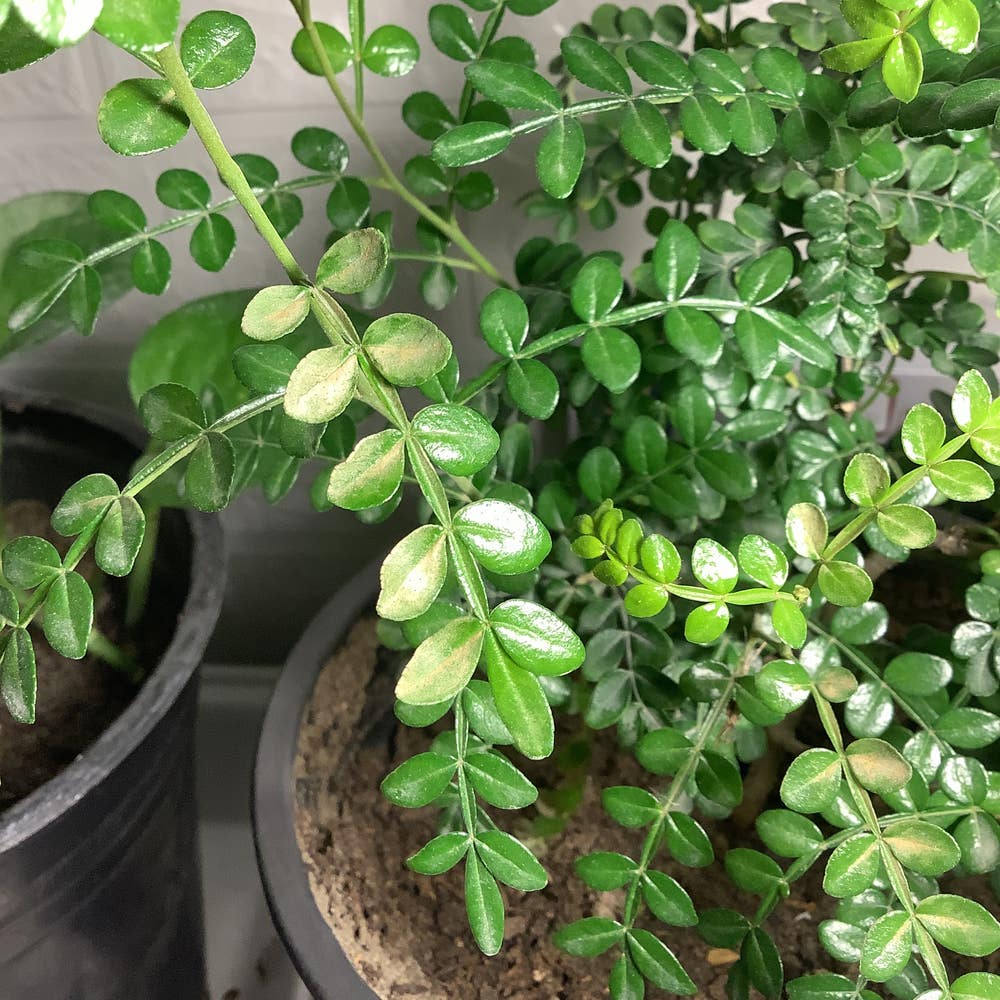
🌶️ 9 Factors for Optimal Sichuan Pepper Growth
Zanthoxylum schinifolium
By the Greg Editorial Team
Oct 25, 2024•6 min read
This article was created with the help of AI so we can cover more plants for you. May contain errors. See one? Report it here.
Cultivate a bountiful Sichuan pepper garden 🌱 with essential tips on soil, planting, and care for thriving plants!
- 🌞 Sichuan peppers need full sun to partial shade for optimal growth.
- 🌱 Well-drained, slightly acidic soil (pH 5.5-6.5) is essential for healthy plants.
- 💧 Regular watering without waterlogging prevents yellowing leaves and root rot.
Site Selection and Soil Preparation
🌍 Choosing the Right Location
Selecting the perfect spot for your Sichuan pepper plants is crucial. They thrive in full sun to partial shade, so aim for a location that receives ample sunlight throughout the day.
Wind protection is equally important. A sheltered area can prevent damage from strong gusts, ensuring your plants grow strong and healthy.
🌱 Soil Type and pH Requirements
The right soil type can make all the difference. Sichuan peppers prefer well-drained, slightly acidic soils with a pH between 5.5 and 6.5.
Loamy or sandy soils are ideal for promoting drainage. This helps prevent waterlogging, which can harm the roots.
🛠️ Soil Preparation Techniques
Before planting, it's essential to prepare your soil properly. Start by testing the soil pH using a soil test kit to determine its acidity.
Amending the soil is also key. Incorporate organic matter, like compost, to enhance fertility and improve drainage.
Finally, till the soil to a depth of at least 12 inches. This loosens the ground, allowing roots to establish themselves more easily.
With the right location and soil preparation, your Sichuan pepper plants will be set for optimal growth. Next, let’s explore effective planting techniques to ensure a successful start.
Planting Techniques
🌱 Seed vs. Transplanting
When it comes to planting Sichuan pepper, you have two main options: direct sowing seeds or starting them indoors. Direct sowing is straightforward, but starting seeds indoors gives you a head start, especially in cooler climates.
Transplanting seedlings can be a game-changer for successful establishment. Ensure that seedlings are well-acclimated to outdoor conditions before planting them in your garden.
📏 Optimal Planting Depth and Spacing
Getting the planting depth right is crucial. For seeds, aim for a depth of 1/4 to 1/2 inch, while transplanting seedlings should be placed at the same depth they were in their pots.
Spacing is equally important for healthy growth. Keep your Sichuan pepper plants spaced 3-5 feet apart to allow for adequate air circulation and room to thrive.
⏰ Timing for Planting
Timing your planting can make all the difference. The best time to plant Sichuan pepper is early spring, right after the last frost.
If you're starting seeds indoors, plan to do so 6-8 weeks before the last frost date. This gives your plants a solid head start for the growing season.
With these planting techniques in mind, you're well on your way to cultivating a thriving Sichuan pepper garden. Next, let’s dive into the essential aspects of watering and fertilizing to keep your plants healthy and productive.
Watering and Fertilizing
Watering Frequency and Methods 🌧️
Regular watering is crucial for Sichuan pepper plants, especially during dry spells. Aim to keep the soil consistently moist, but be cautious to avoid waterlogging, which can lead to root issues.
For efficient moisture delivery, consider using drip irrigation or soaker hoses. These methods provide a steady supply of water directly to the roots, minimizing evaporation and ensuring your plants thrive.
Fertilization Schedule and Types of Fertilizers 🌱
Fertilizing your Sichuan pepper plants every 4-6 weeks during the growing season is essential for robust growth. A balanced NPK fertilizer, such as 10-10-10, works well, but organic options like fish emulsion can also provide excellent results.
Choosing the right fertilizer can make a significant difference in plant health. Organic fertilizers not only nourish the plants but also improve soil quality over time.
Signs of Overwatering or Underwatering 🚰
Recognizing the signs of overwatering is vital. Yellowing leaves and root rot are clear indicators that your plants are drowning.
On the flip side, underwatering can lead to wilting and leaf drop. Keeping an eye on your plants will help you adjust your watering routine as needed.
Understanding these watering and fertilization practices will set you on the right path for healthy Sichuan pepper growth. Next, let’s explore the importance of pruning and maintenance for your plants.
Pruning and Maintenance
Importance of Pruning for Growth 🌱
Pruning is essential for enhancing air circulation around your Sichuan pepper plants. This practice not only reduces the risk of disease but also promotes healthier growth.
Additionally, regular pruning encourages bushiness, resulting in a fuller and more productive plant. A well-pruned plant can yield better harvests and withstand environmental stressors more effectively.
Techniques for Effective Pruning ✂️
Timing is crucial when it comes to pruning. The best time to prune Sichuan pepper plants is in late winter or early spring, just before new growth begins.
When pruning, focus on removing dead or crossing branches. This helps shape the plant and ensures that it grows in a desirable form, maximizing both aesthetics and productivity.
Ongoing Care Routine 🧑🌾
Regular inspections of your plants are vital. Check for any signs of pests or diseases to catch issues early.
Mulching is another key aspect of ongoing care. Applying organic mulch not only retains moisture but also suppresses weeds, allowing your Sichuan pepper plants to thrive.
With proper pruning and maintenance, your Sichuan pepper plants will flourish, setting the stage for the next section on common challenges and solutions.
Common Challenges and Solutions
🐛 Pests and Diseases Affecting Sichuan Pepper
Sichuan pepper plants can face several pest challenges. Common culprits include aphids, spider mites, and scale insects, which can sap the vitality of your plants.
In addition to pests, diseases like root rot and powdery mildew can also pose significant threats. Keeping an eye on your plants will help you catch these issues early.
🌡️ Environmental Challenges
Temperature sensitivity is a major concern for Sichuan pepper. Protect your plants from frost and extreme heat to ensure they thrive.
Humidity is another critical factor. Maintaining adequate moisture levels is essential, especially in dry climates where your plants may struggle.
🛠️ Tips for Troubleshooting Growth Issues
Identifying nutrient deficiencies can be tricky. If you notice yellowing leaves, it may indicate a lack of nitrogen, signaling the need for a nutrient boost.
Adjusting your care routines can make a significant difference. Modify your watering and fertilization practices based on how your plants respond to their environment.
By staying vigilant and responsive, you can overcome these challenges and enjoy a flourishing Sichuan pepper garden. Next, let’s explore effective pruning and maintenance techniques to keep your plants healthy and productive.
⚠️ Safety First
This content is for general information and may contain errors, omissions, or outdated details. It is not medical, veterinary advice, or an endorsement of therapeutic claims.
Always consult a qualified healthcare professional before using any plant as food, medicine, or supplement.
Never eat any plant (or feed one to pets) without confirming its identity with at least two trusted sources.
If you suspect poisoning, call Poison Control (800) 222-1222, the Pet Poison Helpline (800) 213-6680, or your local emergency service immediately.
Spotted an error? Please report it here.
Unlock flavorful Sichuan pepper harvests 🌶 by using Greg's tailored care reminders and soil testing tools to ensure your plants thrive in their ideal conditions!