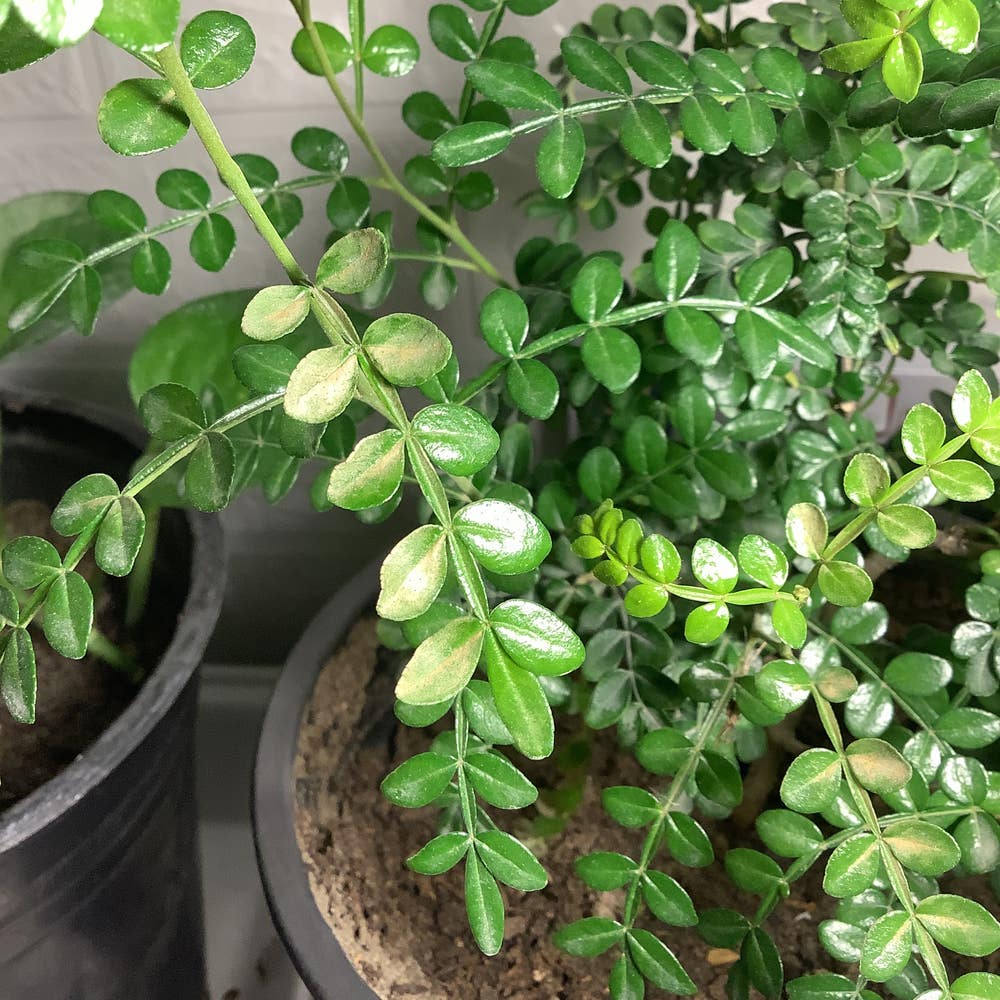
🌶 Propagating Sichuan Pepper: The Ultimate Guide
Zanthoxylum schinifolium
By the Greg Editorial Team
Oct 25, 2024•3 min read
This article was created with the help of AI so we can cover more plants for you. May contain errors. See one? Report it here.
Unlock the secrets of Sichuan pepper propagation 🌱 for a flavorful garden adventure that thrives with every method!
- 🌱 Harvest Sichuan pepper seeds in late summer for optimal quality and germination.
- 💧 Soak seeds for 24 hours before cold stratification to boost germination rates.
- 🌿 Transplant seedlings with 2-3 true leaves, spacing them 12-18 inches apart for growth.
Propagation Methods
🌱 Seed Propagation
Collecting Seeds
Harvest Sichuan pepper seeds in late summer when the berries are fully ripe. Gently twist and pull the berries from the branches, then store the seeds in a cool, dry place until you're ready to use them.
Preparing Seeds for Germination
Start by cleaning the seeds to remove any pulp and debris. Soak the seeds in water for 24 hours to enhance germination, followed by cold stratification for 30-60 days to mimic natural conditions.
Germination Process
For optimal germination, maintain a temperature between 20°C to 25°C (68°F to 77°F). Use a well-draining seed-starting mix, and expect germination within 2-4 weeks.
Transplanting Seedlings
Transplant seedlings once they develop 2-3 true leaves. Space them 12-18 inches apart in nursery pots, and gradually acclimate them to outdoor conditions over 7-10 days.
✂️ Cutting Propagation
Selecting the Right Cuttings
The best time to take cuttings is late spring to early summer when new growth is soft. Aim for cuttings that are 4-6 inches long from healthy, non-flowering stems.
Preparing Cuttings for Rooting
Remove the lower leaves, leaving 2-3 leaves at the top. Make a clean cut just below a node to encourage rooting.
Rooting Hormone Application
You can use either powdered or liquid rooting hormone. Dip the cut end into the hormone before planting to boost root development.
Planting Cuttings in Soil
For planting, use a mix of perlite and peat moss for excellent drainage. Insert the cuttings 2-3 inches deep into the soil.
Care for Newly Planted Cuttings
Keep the soil consistently moist but not soggy. Cover the cuttings with a plastic bag or dome to maintain humidity, and provide indirect sunlight for optimal growth.
🌿 Layering Propagation
Identifying Suitable Branches
Choose healthy, flexible branches from the current year's growth. Opt for branches that are low to the ground for easier layering.
Preparing the Branch for Layering
Make a small cut or scrape on the underside of the branch to encourage rooting. Optionally, apply rooting hormone to the wounded area.
Burying the Branch and Care
Dig a shallow trench and cover the wounded area with soil. Keep the soil moist during the rooting process for best results.
Timing for Separation from Parent Plant
Allow 6-12 months for roots to develop before severing the branch. New growth on the buried section indicates successful rooting.
⚠️ Common Challenges
Low Germination Rates and Solutions
Low germination rates can stem from poor seed quality or inadequate stratification. Use fresh seeds and ensure proper cold stratification to improve outcomes.
Issues with Cutting Root Development
Watch for symptoms like wilting or yellowing leaves, which indicate root development issues. Ensure proper humidity and avoid overwatering to promote healthy growth.
Pests and Diseases Affecting Seedlings
Common pests include aphids and spider mites. Regularly inspect your seedlings and use insecticidal soap if necessary to prevent infestations.
🛠️ Tools and Materials
Essential Tools for Propagation
Equip yourself with pruning shears for cutting branches and harvesting seeds. Seed trays are essential for starting seeds and cuttings, and labels help keep track of different methods and dates.
Recommended Soil and Potting Mixes
Use a lightweight, well-draining seed-starting mix for germination. For cuttings, a potting mix rich in organic matter is ideal.
Rooting Hormones and Their Application
Choose between powdered or liquid rooting hormones based on your preference. Always follow manufacturer instructions for the best results.
With these propagation methods, you’re well on your way to successfully growing Sichuan pepper. Next, let’s explore the common challenges you might face during this rewarding journey.
⚠️ Safety First
This content is for general information and may contain errors, omissions, or outdated details. It is not medical, veterinary advice, or an endorsement of therapeutic claims.
Always consult a qualified healthcare professional before using any plant as food, medicine, or supplement.
Never eat any plant (or feed one to pets) without confirming its identity with at least two trusted sources.
If you suspect poisoning, call Poison Control (800) 222-1222, the Pet Poison Helpline (800) 213-6680, or your local emergency service immediately.
Spotted an error? Please report it here.
Master the art of Sichuan pepper propagation 🌶️ with Greg's tailored reminders and expert guidance, ensuring your plants thrive from seed to harvest!