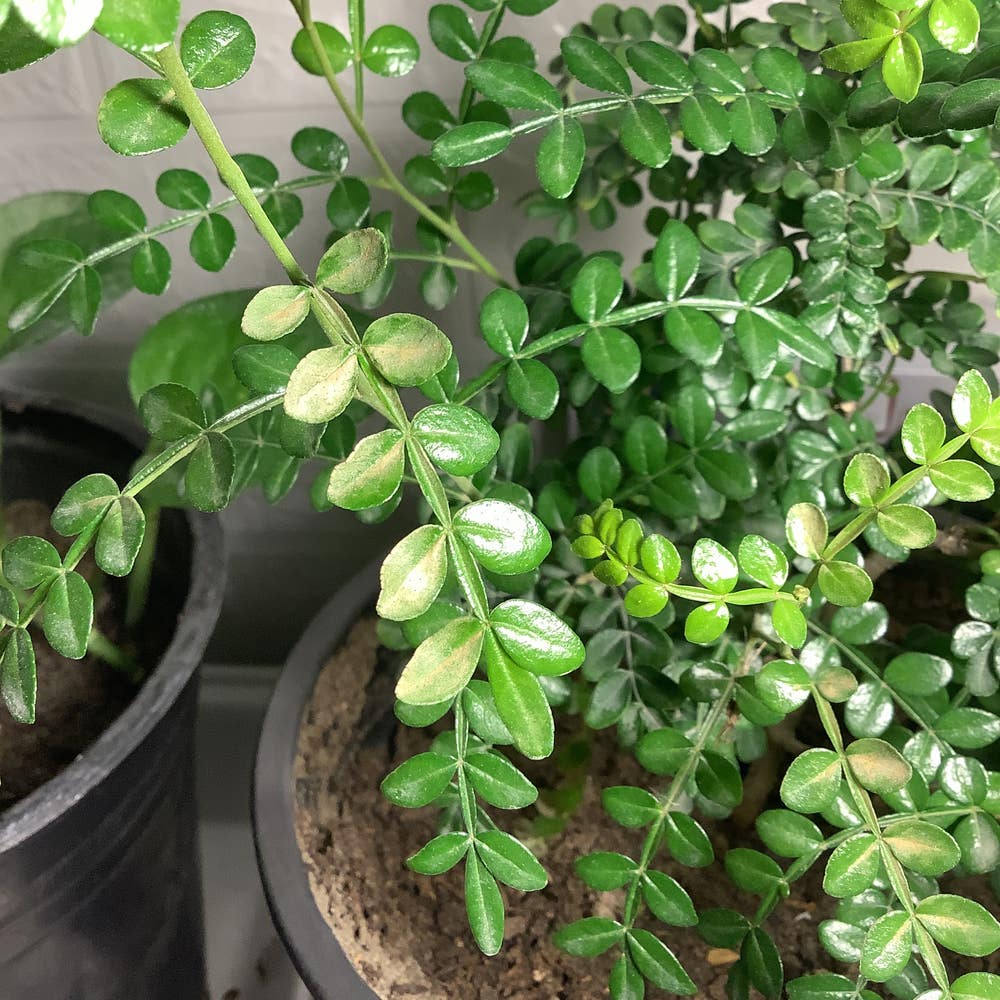
Sichuan Pepper Is Not an Annual 🌶️
Zanthoxylum schinifolium
By the Greg Editorial Team
Oct 25, 2024•3 min read
This article was created with the help of AI so we can cover more plants for you. May contain errors. See one? Report it here.
Elevate your garden with Sichuan pepper 🌱, a resilient perennial that promises year-round flavor and beauty! 🌶️
- 🌱 Sichuan pepper is a perennial, thriving year after year with minimal replanting.
- 🌿 Deep roots and woody stems enhance resilience and nutrient uptake for long-term growth.
- 🌼 Regular flowering and self-pollination ensure continuous vitality and culinary value.
Sichuan Pepper as a Perennial
🌱 Genetic Characteristics
Sichuan pepper, scientifically known as Zanthoxylum simulans, is classified as a perennial plant. Its genetic traits are finely tuned for long-term survival, allowing it to thrive in various environments.
The multi-stemmed structure of Sichuan pepper is a key feature that contributes to its perennial nature. This adaptation not only supports its growth but also enhances its resilience against environmental stressors.
🌳 Physiological Traits Supporting Perennial Growth
One of the standout features of Sichuan pepper is its deep and extensive root system. This robust root architecture aids in nutrient and water uptake, ensuring the plant remains healthy throughout its lifecycle.
Additionally, the development of woody stems is crucial for longevity. These sturdy structures provide the necessary support for the plant to withstand seasonal changes and harsh weather conditions.
🌼 Lifecycle and Growth Patterns
Sichuan pepper can reach impressive heights of up to 10 feet. Its growth is most active during the spring and summer, while it enters a state of dormancy in the winter months.
Regular flowering and seed production are aligned with its perennial growth. This cyclical pattern ensures that the plant continues to thrive year after year.
🌿 Differences from Annuals
Unlike annual plants, Sichuan pepper exhibits multiple flowering cycles each year. This contrasts sharply with the single cycle typical of annuals.
Moreover, Sichuan pepper engages in continuous seed production over the years. In contrast, annuals produce seeds only once before completing their lifecycle.
Reproductive strategies also differ significantly. Sichuan pepper utilizes both self-pollination and cross-pollination mechanisms, enhancing its chances of successful reproduction.
🌻 Gardening Implications
🌟 Advantages of Planting
Planting Sichuan pepper is a long-term investment. With fewer replanting needs, gardeners can enjoy sustained harvests of this aromatic spice.
The continuous supply of flavorful husks makes it a valuable addition to any culinary garden. Its unique flavor profile enhances a variety of dishes.
🌼 Design Strategies
When planting Sichuan pepper, consider its ideal placement. It thrives in locations with ample sunlight and well-drained soil.
Companion planting can also be beneficial. Pairing Sichuan pepper with other perennials can enhance growth and yield.
🛠️ Management Tips
✅ Best Practices
To encourage healthy growth, implement effective pruning techniques. This moderate difficulty task helps maintain the plant's structure and vitality.
Watering and soil management are essential for longevity. Ensuring optimal conditions will support the plant's growth throughout its lifecycle.
⏳ Maximizing Longevity
A well-planned fertilization schedule is crucial. Addressing the nutrient needs throughout the growing season is an easy yet effective way to boost health.
Pest and disease management should not be overlooked. Preventative measures will help maintain the overall health of your Sichuan pepper plants.
Incorporating Sichuan pepper into your garden not only enhances your culinary options but also enriches your gardening experience. As we explore the advantages of planting, you'll discover how to make the most of this remarkable perennial.
⚠️ Safety First
This content is for general information and may contain errors, omissions, or outdated details. It is not medical, veterinary advice, or an endorsement of therapeutic claims.
Always consult a qualified healthcare professional before using any plant as food, medicine, or supplement.
Never eat any plant (or feed one to pets) without confirming its identity with at least two trusted sources.
If you suspect poisoning, call Poison Control (800) 222-1222, the Pet Poison Helpline (800) 213-6680, or your local emergency service immediately.
Spotted an error? Please report it here.
Sichuan pepper is a thriving perennial 🌱 that spices up your garden year after year, and with Greg's tailored care reminders, you'll master the art of nurturing it to perfection!