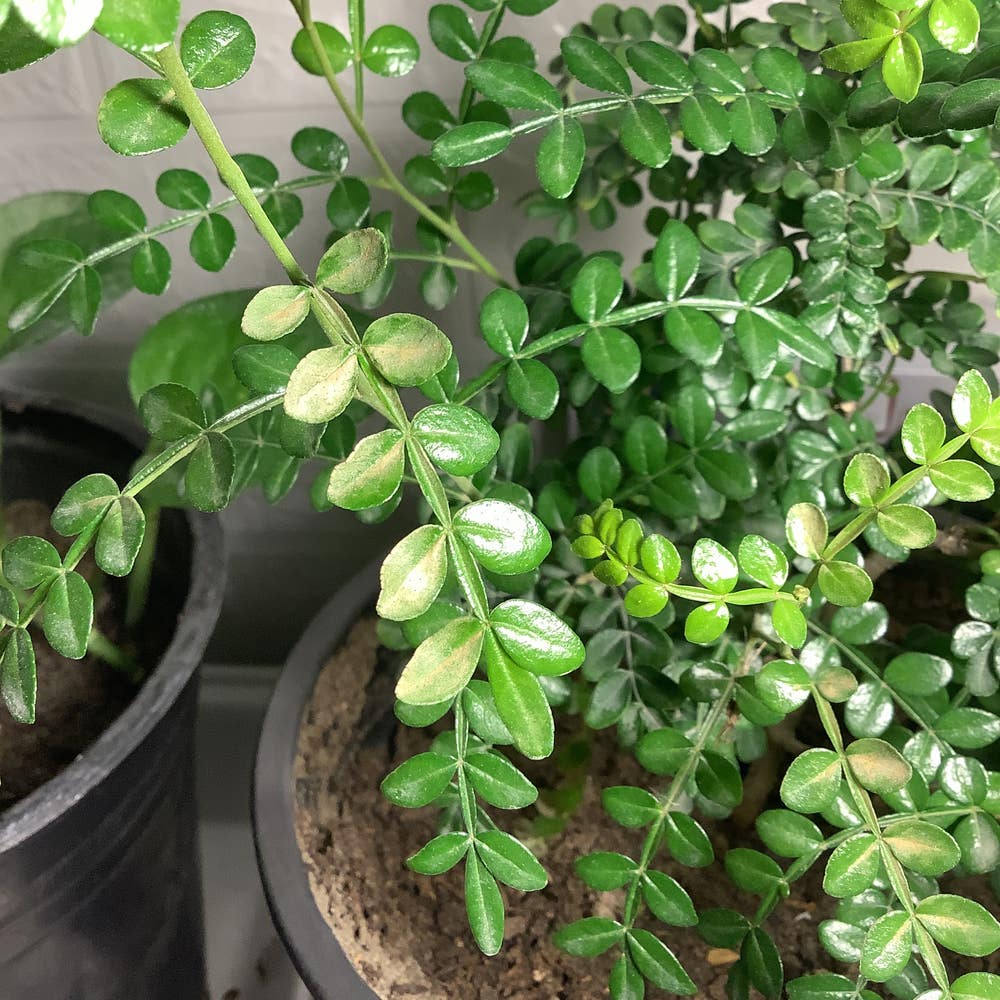
Best Tips for Dealing with Curling Leaves on Sichuan Pepper 🌶️
Zanthoxylum schinifolium
By the Greg Editorial Team
Oct 25, 2024•6 min read
This article was created with the help of AI so we can cover more plants for you. May contain errors. See one? Report it here.
Revive your Sichuan pepper plants 🌶️ by mastering the diagnosis and treatment of curling leaves for lush growth!
- 🌱 Curling leaves indicate stress from pests, nutrients, or environmental factors.
- 💧 Proper watering is crucial; avoid both drought and overwatering for healthy leaves.
- 🐜 Pest control with organic methods like neem oil can prevent leaf curling.
Causes of Curling Leaves
🌪️ Environmental Stress Factors
Soil Moisture Levels
Well-drained, slightly acidic soils are crucial for the health of Sichuan pepper plants. Poor soil conditions can lead to curling leaves, signaling distress.
Effects of Drought
Drought can cause significant water stress, leading to visible symptoms like leaf curl. If your plant is wilting, it’s time to check its moisture levels.
Overwatering
Overwatering is just as harmful, often resulting in root rot. This condition can severely impact leaf health, causing them to curl and drop.
🐛 Pest Infestations
Common Pests
Aphids
Aphids are small, sap-sucking insects that can quickly infest your Sichuan pepper. Look for curled leaves and sticky residue as signs of their presence.
Spider Mites
Spider mites are another common pest, identifiable by fine webbing on leaves. Their feeding can lead to yellowing and curling, making early detection essential.
Impact on Leaf Curl
Pest damage directly contributes to curling leaves by disrupting the plant's nutrient flow. Early detection and intervention can save your plant from severe damage.
🥦 Nutrient Deficiencies
Key Nutrients
Nitrogen
Nitrogen is vital for leaf health and growth. A deficiency can lead to stunted growth and curling leaves.
Potassium
Potassium plays a crucial role in overall plant vigor. Insufficient levels can weaken the plant, making it more susceptible to curling.
Symptoms of Deficiency
Visual signs of nutrient deficiencies include yellowing and curling leaves. Regular soil testing can help you monitor nutrient levels effectively.
🍄 Fungal Diseases
Common Fungal Issues
Powdery mildew is a common fungal problem that affects leaf health. It appears as a white, powdery coating and can lead to curling leaves if left untreated.
Impact on Leaf Curl
Fungal infections disrupt the plant's ability to photosynthesize, contributing to leaf curl. Maintaining good air circulation and humidity levels is essential for prevention.
Diagnosing Curling Leaves
🌿 Identifying Symptoms of Leaf Curl
Curling leaves can manifest in various ways. Look for leaves that are rolling inward or outward, which can indicate different issues.
Upward curling often signals environmental stress, while downward curling may suggest pest damage. Observing these patterns can help you pinpoint the underlying problem.
🐜 Differentiating Between Pest Damage and Environmental Stress
To accurately diagnose the cause of curling leaves, examine the plant closely. Key indicators include the presence of pests, such as aphids or spider mites, versus signs of environmental stress like discoloration or wilting.
A thorough inspection is crucial for effective treatment. This ensures you address the right issue before it escalates.
🌱 Assessing Soil Conditions and Moisture Levels
Checking soil moisture is essential for maintaining healthy Sichuan pepper plants. Use a moisture meter or simply stick your finger into the soil to gauge its dampness.
Signs of poor drainage include water pooling on the surface or a sour smell from the soil. Compacted soil can also hinder root growth, leading to further stress on your plant.
Understanding these factors will help you create a thriving environment for your Sichuan pepper. Now that you can diagnose curling leaves, let’s explore effective treatment options to restore their health.
Treatment Options
🌱 Organic Pest Control Methods
Using organic pest control methods can be a game-changer for your Sichuan Pepper plants. Neem oil and insecticidal soap are effective choices; apply them in the early morning or late evening to avoid harming beneficial insects.
Introduce beneficial insects like ladybugs and lacewings to your garden. These natural predators can help keep pest populations in check without the need for harsh chemicals.
💧 Adjusting Watering Practices
Proper watering is crucial for healthy Sichuan Pepper plants. Aim to water deeply but infrequently, allowing the soil to dry slightly between sessions.
Be vigilant for signs of overwatering, such as yellowing leaves or root rot, and underwatering, which may cause wilting or crispy leaf edges. Adjust your watering schedule based on seasonal changes and weather conditions.
🌿 Fertilization Techniques
Choosing the right fertilizers can significantly impact your plant's health. Look for balanced fertilizers with a good mix of nitrogen, phosphorus, and potassium, specifically formulated for herbs.
Timing is key; apply fertilizers in early spring and again in mid-summer for optimal growth. Follow the package instructions for application methods to avoid over-fertilizing.
🦠 Fungicide Applications
Fungal diseases like powdery mildew can wreak havoc on your Sichuan Pepper plants. Use fungicides specifically designed to combat powdery mildew, applying them at the first sign of infection.
Always follow application guidelines closely and take safety precautions, such as wearing gloves and a mask, to protect yourself while treating your plants.
✂️ Pruning Affected Leaves
Pruning is essential for recovery from leaf curl. Remove affected leaves promptly to prevent further spread of issues and encourage new growth.
Use sharp, clean tools for effective pruning. Regularly check your equipment to ensure you’re not introducing any pathogens to your plants.
By implementing these treatment options, you can help your Sichuan Pepper thrive and minimize the risk of curling leaves. Next, let’s explore preventive measures to keep your plants healthy year-round.
Preventive Measures
🌱 Best Practices for Soil Preparation
Soil testing is crucial for understanding the nutrient profile of your garden. Amendments can help create a well-drained, slightly acidic environment ideal for Sichuan Pepper growth.
A recommended soil mix includes organic matter, such as compost, to enhance fertility. This not only supports healthy root development but also minimizes the risk of curling leaves.
🔍 Regular Monitoring for Pests and Diseases
Regular inspections should be part of your gardening routine. Aim for weekly checks to catch any signs of pests or diseases early.
Early intervention is key to preventing more significant issues down the line. A proactive approach can save your plants from stress and damage.
💧 Optimal Watering Schedules
Adjust your watering practices seasonally to meet the needs of your Sichuan Pepper. During hot months, increase frequency, while cooler months may require less.
Techniques like drip irrigation can help maintain consistent moisture levels. This prevents both overwatering and underwatering, which are common culprits of leaf curl.
🍂 Seasonal Care Tips
Each season brings unique challenges and opportunities for your plants. In spring, focus on new growth, while fall is the time for preparing your plants for winter.
Mulching and ground cover are essential for protecting roots and retaining moisture. These practices can significantly reduce stress on your Sichuan Pepper.
🌿 Choosing Resistant Varieties
Selecting Sichuan Pepper varieties that are resistant to common issues can save you a lot of trouble. Look for those known to withstand pests and diseases prevalent in your area.
Researching and choosing the right variety for your climate can make a world of difference. This simple step can lead to healthier plants and a more fruitful harvest.
By implementing these preventive measures, you can create a thriving environment for your Sichuan Pepper. This foundation will help ensure your plants remain healthy and resilient against curling leaves and other challenges.
⚠️ Safety First
This content is for general information and may contain errors, omissions, or outdated details. It is not medical, veterinary advice, or an endorsement of therapeutic claims.
Always consult a qualified healthcare professional before using any plant as food, medicine, or supplement.
Never eat any plant (or feed one to pets) without confirming its identity with at least two trusted sources.
If you suspect poisoning, call Poison Control (800) 222-1222, the Pet Poison Helpline (800) 213-6680, or your local emergency service immediately.
Spotted an error? Please report it here.
Transform your Sichuan pepper plants from curling to thriving 🌱 by using Greg's tailored watering alerts and pest control tips to keep them healthy and happy!