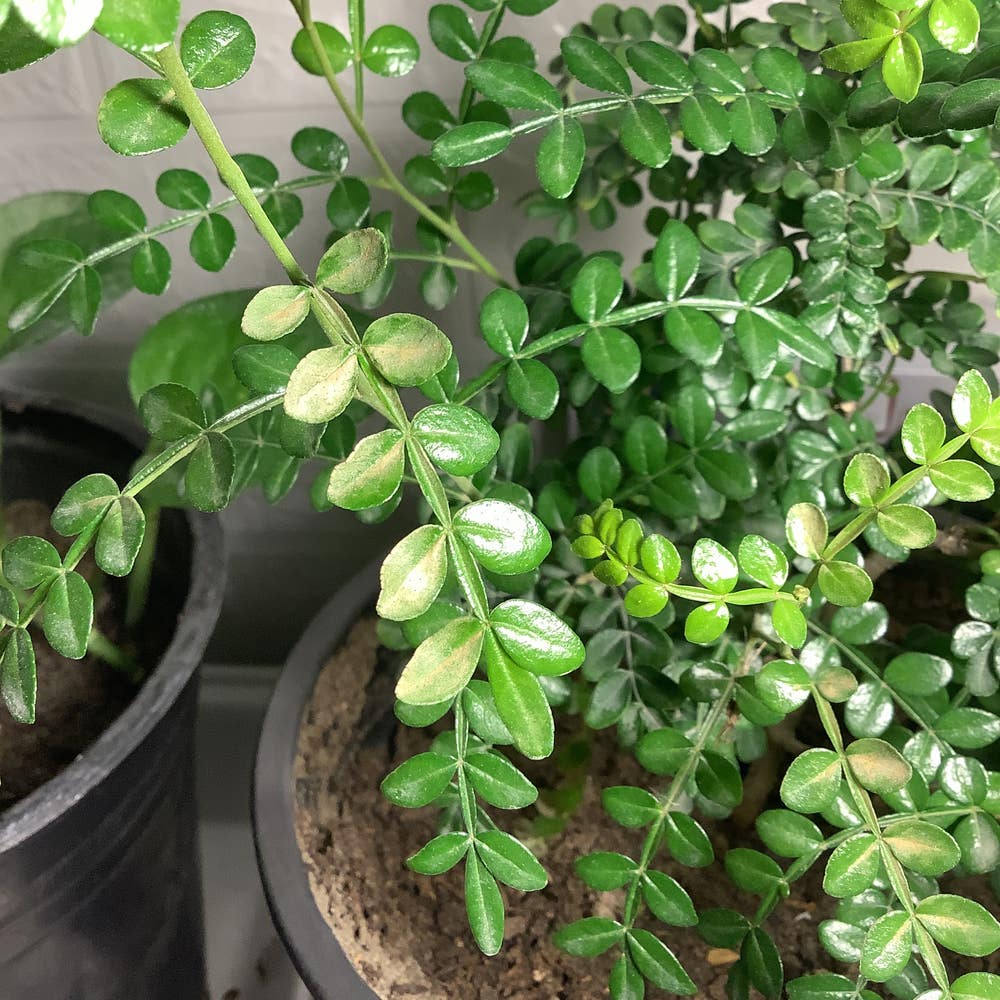
Best Climate for Sichuan Pepper: Zones 6a-9b ☀️
Zanthoxylum schinifolium
By the Greg Editorial Team
Oct 25, 2024•5 min read
This article was created with the help of AI so we can cover more plants for you. May contain errors. See one? Report it here.
Master Sichuan pepper's temperature tolerance 🌶️ to unlock thriving growth in your garden, no matter the climate!
- 🌱 Sichuan pepper thrives in USDA zones 6a-9b, ideal for cultivation.
- ❄️ Cold resilient, it tolerates temperatures as low as -10°F (-23°C).
- 🌤️ Excessive heat harms growth, so balance warmth and moisture for best results.
Sichuan Pepper Temperature Tolerance
❄️ Cold Tolerance Specifics
Sichuan pepper can withstand temperatures as low as -10°F (-23°C). This impressive cold tolerance is crucial for winter survival, allowing the plant to endure harsh conditions without significant damage.
🔥 Heat Tolerance Specifics
For optimal growth, Sichuan pepper thrives in warmer conditions typical of zones 6a-9b. However, excessive heat can stress the plant, leading to reduced health and lower productivity.
🌨️ Impact of Frost on Growth
Prolonged frost can be detrimental, especially to young Sichuan pepper plants. Understanding the timing of the first and last frost is essential for planning planting schedules to ensure successful growth.
This knowledge about temperature tolerance sets the stage for exploring the ideal regions for growing Sichuan pepper.
Ideal Regions for Growing Sichuan Pepper
🌍 Examples of US States in Zones 6a-9b
Sichuan pepper thrives in several states within USDA zones 6a to 9b. Notable states include California, Oregon, North Carolina, and Texas, each offering unique regions that provide ideal growing conditions.
In California, the Central Valley boasts a warm climate perfect for Sichuan pepper. Oregon's Willamette Valley also offers the right mix of temperature and rainfall, while North Carolina's coastal plains provide a humid environment that supports healthy growth.
🌦️ Factors Contributing to Ideal Growing Conditions
The climate characteristics in these regions play a crucial role in Sichuan pepper cultivation. Key factors include temperature, humidity, and rainfall patterns, which must align for optimal growth.
Soil conditions are equally important. Sichuan pepper prefers well-drained soil but can adapt to various types, making it versatile for different growing environments.
📊 Comparison of Different Regions Within the Suitable Zones
Variability in climate conditions exists across states in zones 6a-9b. For instance, while California may experience hotter summers, Oregon often has milder temperatures, impacting growth rates and harvest times.
Microclimates within these regions can significantly enhance Sichuan pepper cultivation. Areas near bodies of water or elevated terrains often create localized conditions that favor this unique plant, allowing it to flourish even in less-than-ideal general climates.
In summary, understanding the specific regions and conditions that favor Sichuan pepper can lead to successful cultivation. As we explore microclimates further, we’ll uncover how they can extend the growing range of this remarkable plant.
Microclimates and Their Effects
Definition of Microclimates 🌍
Microclimates are localized climate variations that differ from the broader climate zone. They can be influenced by several factors, including elevation, proximity to water bodies, and urban heat islands.
How Microclimates Can Extend Growing Range 🌱
Favorable microclimates can enable Sichuan Pepper to flourish beyond its typical growing zones. For instance, areas with sheltered valleys or south-facing slopes often provide warmer conditions that support this plant's growth.
Examples of Microclimates That Benefit Sichuan Pepper 🌊
Certain locations exemplify beneficial microclimates for Sichuan Pepper cultivation. Coastal regions in California, with their mild temperatures and moisture, create ideal conditions for these plants.
Additionally, urban areas can generate heat islands that extend the growing season. Anecdotal evidence suggests that gardeners in cities like San Francisco have successfully cultivated Sichuan Pepper, taking advantage of these unique conditions.
Understanding microclimates is crucial for maximizing Sichuan Pepper's growth potential. By recognizing and utilizing these localized environments, growers can enhance their chances of a fruitful harvest.
State-Level Suitability Analysis
List of States Suitable for Sichuan Pepper 🌶️
Sichuan Pepper thrives in specific states within zones 6a-9b. Here’s a quick rundown of the best options:
- California: Known for its warm, Mediterranean climate, California offers well-drained soils ideal for Sichuan Pepper.
- Oregon: With its mild temperatures and ample rainfall, Oregon provides a nurturing environment for these plants.
- North Carolina: The humid subtropical climate here supports robust growth, especially in the western regions.
- Texas: Favorable conditions in parts of Texas, particularly in the east, create a suitable habitat for Sichuan Pepper.
- Virginia: The moderate climate and rich soils in Virginia make it another excellent choice for cultivation.
List of States Unsuitable for Sichuan Pepper 🚫
Not every state can support the growth of Sichuan Pepper. Here are some states that fall outside the ideal zones:
- Minnesota: With harsh winters and temperatures often dipping below -10°F, it's too cold for Sichuan Pepper.
- North Dakota: Similar to Minnesota, the extreme cold and short growing season make it unsuitable.
- Maine: While beautiful, the frigid winters and limited warmth in summer hinder Sichuan Pepper growth.
- Montana: The state’s high elevation and cold climate create challenges for successful cultivation.
Reasons for Suitability or Unsuitability Based on Climate Factors 🌦️
Understanding why certain states are suitable or unsuitable is crucial for successful cultivation.
- Temperature Extremes: Sichuan Pepper prefers moderate temperatures. States with extreme cold or heat can stress the plants, affecting their health and yield.
- Frost Dates: The timing of the first and last frosts is critical. States with late frosts can jeopardize young plants, while those with early frosts may cut the growing season short.
- Growing Seasons: A longer growing season allows for better development and fruiting. States with shorter seasons may not provide enough time for the plants to mature.
Local climate variations, such as elevation and proximity to water, can also significantly impact Sichuan Pepper cultivation. Understanding these factors can help you choose the best location for your plants.
As we explore the next section, we’ll dive deeper into the microclimates that can enhance Sichuan Pepper growth, even in less-than-ideal conditions.
⚠️ Safety First
This content is for general information and may contain errors, omissions, or outdated details. It is not medical, veterinary advice, or an endorsement of therapeutic claims.
Always consult a qualified healthcare professional before using any plant as food, medicine, or supplement.
Never eat any plant (or feed one to pets) without confirming its identity with at least two trusted sources.
If you suspect poisoning, call Poison Control (800) 222-1222, the Pet Poison Helpline (800) 213-6680, or your local emergency service immediately.
Spotted an error? Please report it here.
Cultivating Sichuan pepper in the right climate is crucial for success, and with Greg's customized watering reminders 🌱, you can maximize your harvest potential and keep your plants thriving!