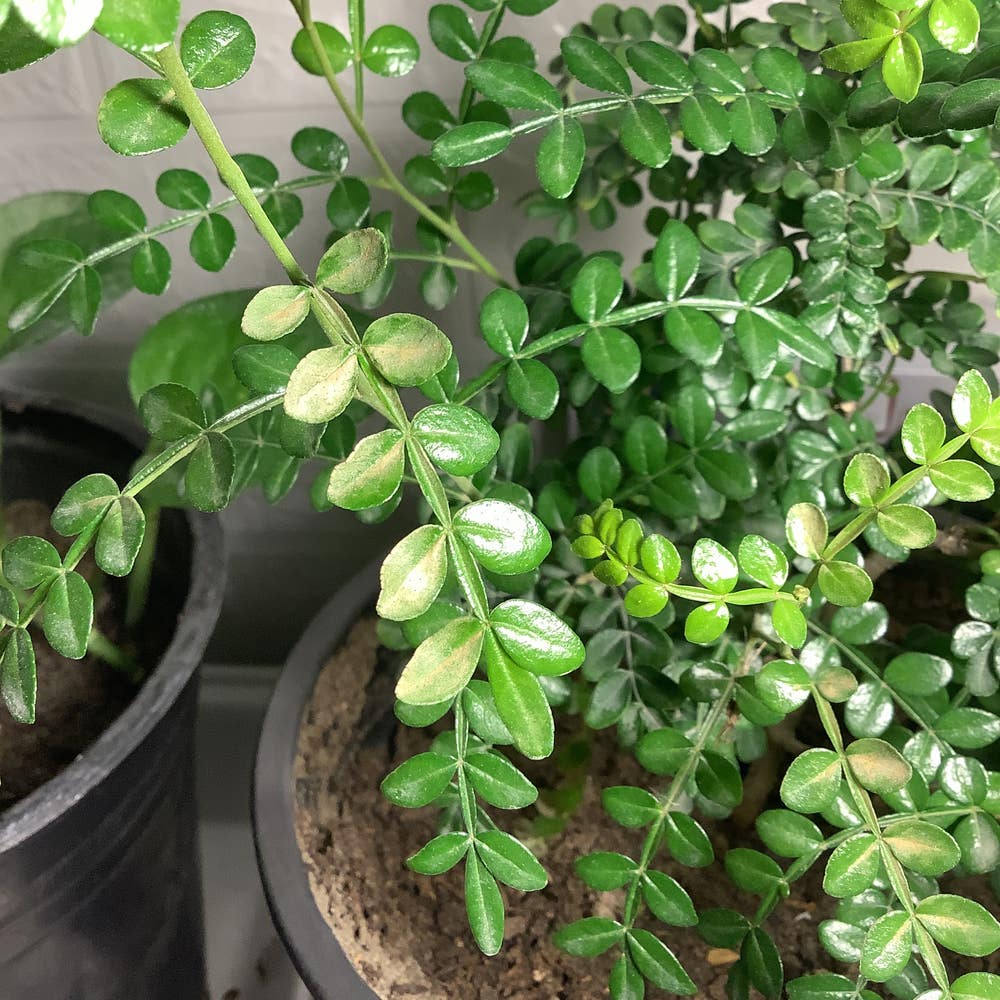
🌶️ Signs Your Sichuan Pepper Has Root Rot and How to Fix It
Zanthoxylum schinifolium
By the Greg Editorial Team
Oct 25, 2024•4 min read
This article was created with the help of AI so we can cover more plants for you. May contain errors. See one? Report it here.
Revive your Sichuan pepper plant from root rot with these vital diagnosis and treatment tips! 🌿✨
- 🌱 Early detection of root rot is vital for Sichuan pepper plant recovery.
- 🥴 Signs include leaf discoloration and mushy roots; act quickly to save your plant.
- 🧴 Use clean tools and fresh soil for effective treatment and prevention of root rot.
Diagnosing Root Rot
Visual Signs of Root Rot 🌿
Recognizing root rot early can save your Sichuan pepper plant. Look for leaf discoloration; yellowing or browning edges are often the first indicators.
Another sign is dropping leaves. If your plant is shedding leaves prematurely, it’s likely responding to stress. Lastly, check the soil appearance; waterlogged or overly wet soil conditions are red flags.
How to Check Root Health 🔍
To assess root health, follow these simple steps:
- Gently remove the plant from its pot. This minimizes stress on the roots.
- Inspect the root system for color and texture. Healthy roots should be firm and white.
- Look for signs of decay. Dark, mushy roots indicate trouble, while healthy roots are typically white and crisp.
Tools Needed for Diagnosis 🛠️
Having the right tools makes diagnosis easier:
- Clean, sharp pruning shears are essential for inspecting roots without causing damage.
- Gloves protect your hands from pathogens that may be present in the soil.
- A magnifying glass helps you examine roots closely for any signs of fungal growth.
By being vigilant and using these tools, you can effectively diagnose root rot and take the necessary steps to save your plant. Next, we’ll explore how to treat root rot effectively.
Treating Root Rot
🛠️ Step-by-step treatment process
If you've diagnosed root rot in your Sichuan pepper, it's time to act. Start by gently removing the plant from its pot.
Next, trim away any affected roots. Focus on cutting back to healthy tissue, ensuring you eliminate all signs of decay.
Once you've dealt with the roots, clean the pot thoroughly. Disinfect it using a bleach solution—mix one part bleach with nine parts water.
Finally, repot your plant in fresh, well-draining soil. This will give it the best chance to recover.
💊 Recommended fungicides or treatments
To combat root rot effectively, consider using systemic fungicides. Azoxystrobin or propiconazole are excellent options that can help restore your plant's health.
If you prefer organic solutions, neem oil or cinnamon powder can act as natural antifungals. These options are gentle yet effective, making them ideal for your garden.
🌱 Repotting techniques for affected plants
When repotting, always choose a pot with drainage holes. This feature is crucial for allowing excess water to escape, preventing future issues.
For the soil mix, combine equal parts of peat, perlite, and coarse sand. This blend ensures optimal drainage, which is vital for your Sichuan pepper's recovery.
After repotting, water lightly. This helps the plant adjust without overwhelming it with moisture.
By following these steps, you can effectively treat root rot and give your Sichuan pepper a fighting chance. Next, let’s explore how to prevent root rot from occurring in the first place.
Preventing Root Rot
🌱 Best Soil Types for Sichuan Pepper
To keep your Sichuan pepper thriving, start with well-draining soil. A mix of sandy loam or potting mix with added perlite works wonders.
Aim for a slightly acidic pH, ideally between 6.0 and 6.5. This range promotes optimal growth and keeps your plant happy.
🚰 Watering Practices to Avoid Root Rot
Establish a consistent watering schedule. Allow the top inch of soil to dry out before giving your plant another drink.
Consider using moisture meters for accurate monitoring. They help you avoid overwatering, a common mistake that leads to root rot.
🪴 Importance of Drainage and Pot Selection
Choosing the right pot size is crucial. A pot that’s too large can retain excess moisture, putting your plant at risk.
Always opt for pots with drainage holes. These are essential for preventing water accumulation at the bottom, ensuring your Sichuan pepper stays healthy.
By following these preventive measures, you can significantly reduce the risk of root rot. Next, let’s explore post-treatment care to help your plant recover if it does encounter issues.
Post-Treatment Care
Monitoring Recovery 🌱
After treatment, keep an eye out for new growth. This is a strong indicator that your Sichuan pepper is bouncing back from root rot.
Regularly inspect the roots as well. Healthy roots should be firm and free from decay, ensuring your plant's ongoing recovery.
Signs of Improvement 🌈
Look for changes in leaf color, especially a return to vibrant green. This shift is a positive sign that your plant is regaining its health.
Increased leaf production is another encouraging sign. More leaves mean your Sichuan pepper is regaining vigor and thriving.
Long-Term Care Strategies 🛠️
To support your plant's recovery, maintain proper watering habits. Consistency in moisture levels is crucial for preventing future issues.
Conduct regular soil checks to ensure it remains well-draining and aerated. This will help avoid the conditions that lead to root rot.
Consider fertilization during the growing season. A balanced fertilizer can provide the nutrients your plant needs to flourish.
By following these post-treatment care tips, you can help your Sichuan pepper thrive and prevent root rot from becoming a recurring issue. Next, let’s explore how to prevent root rot in the first place.
⚠️ Safety First
This content is for general information and may contain errors, omissions, or outdated details. It is not medical, veterinary advice, or an endorsement of therapeutic claims.
Always consult a qualified healthcare professional before using any plant as food, medicine, or supplement.
Never eat any plant (or feed one to pets) without confirming its identity with at least two trusted sources.
If you suspect poisoning, call Poison Control (800) 222-1222, the Pet Poison Helpline (800) 213-6680, or your local emergency service immediately.
Spotted an error? Please report it here.
Detecting root rot early in your Sichuan pepper is crucial for its recovery, and with Greg's tailored care reminders and moisture monitoring, you'll keep your plant thriving 🌿 and resilient against root rot!