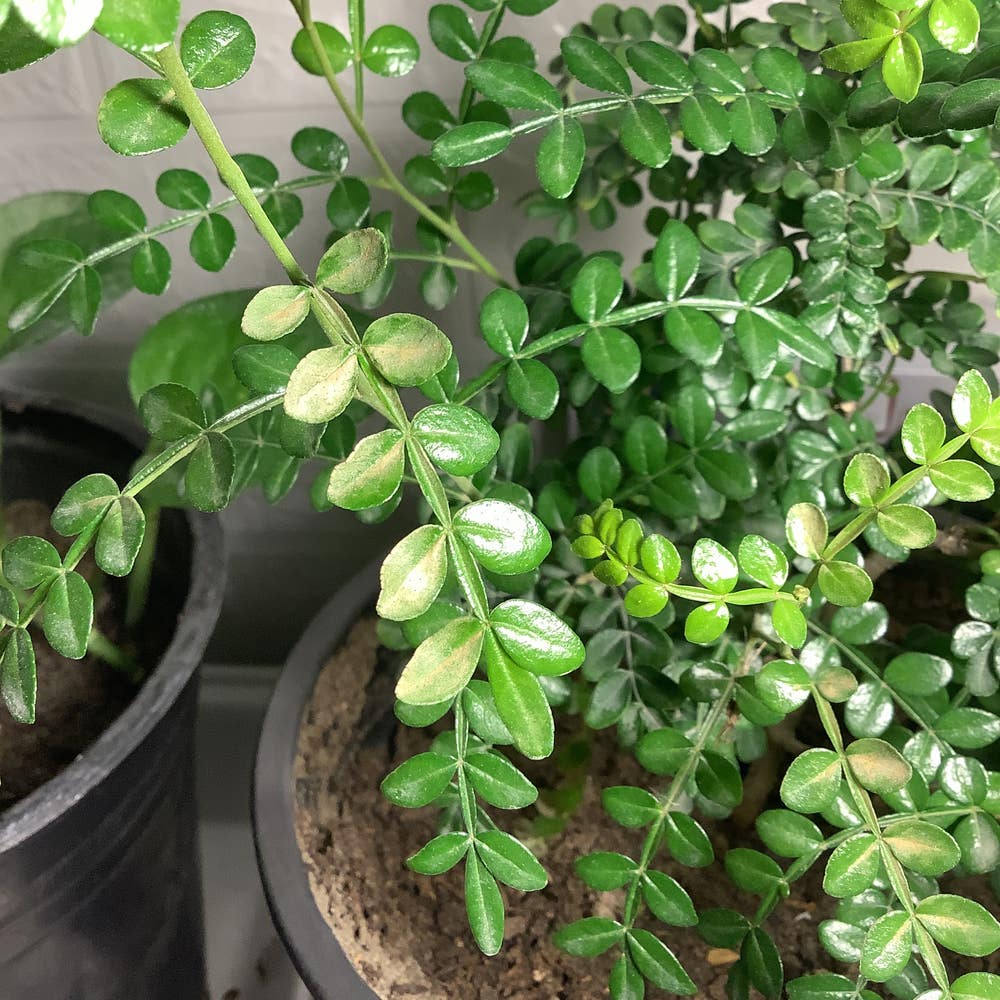
Ultimate Guide to Fertilizing Sichuan Pepper 🌶️
Zanthoxylum schinifolium
By the Greg Editorial Team
Oct 25, 2024•5 min read
This article was created with the help of AI so we can cover more plants for you. May contain errors. See one? Report it here.
Boost your Sichuan pepper plants' growth 🌱 and flavor with essential fertilization tips for a bountiful harvest!
- 🌱 Fertilization is vital for healthy, productive Sichuan pepper plants and berry quality.
- ⚖️ Key nutrients include nitrogen, phosphorus, and potassium for optimal growth and flavor.
- 🧪 Regular soil testing ensures tailored fertilization, enhancing yield and preventing issues.
Importance of Fertilization
🌱 Role of Nutrients in Growth and Blooming
Fertilization is crucial for the health of Sichuan pepper plants. Essential nutrients like nitrogen, phosphorus, and potassium are key players in promoting robust growth and vibrant blooming.
These nutrients not only support plant development but also significantly impact the spice quality. The levels of these nutrients directly influence the flavor and aroma of the harvested berries, making proper fertilization a must for any serious grower.
⚠️ Consequences of Poor Fertilization
Neglecting fertilization can lead to stunted growth. Insufficient nutrients result in weak plants that struggle to thrive.
Additionally, poor fertilization can reduce berry production. A lack of essential nutrients means fewer berries, which can be disappointing for those looking to harvest a flavorful crop.
Understanding the importance of fertilization sets the foundation for successful Sichuan pepper cultivation. With the right nutrients, you can ensure your plants flourish and produce high-quality berries.
Nutrient Requirements
🌱 Macronutrients
When it comes to growing Sichuan pepper, macronutrients are your best friends.
- Nitrogen is essential for leafy growth and overall plant vigor. It fuels the green, lush foliage that supports photosynthesis.
- Phosphorus plays a crucial role in root development and flowering, ensuring your plants establish a strong foundation.
- Potassium enhances fruit quality and boosts disease resistance, making your berries not just plentiful but also flavorful.
🧪 Micronutrients
Micronutrients may be needed in smaller quantities, but they are vital for overall plant health.
- Iron helps with chlorophyll production, giving leaves their vibrant green color.
- Magnesium is essential for photosynthesis, while calcium strengthens cell walls, promoting robust growth.
⚖️ Soil pH Considerations
Soil pH is another critical factor to consider for optimal growth.
- The ideal pH range for Sichuan pepper is slightly acidic to neutral, between 6.0 and 7.0.
- Regular soil testing is crucial to ensure nutrient availability and to adjust your fertilization strategy accordingly.
Understanding these nutrient requirements will set you on the right path to cultivating healthy Sichuan pepper plants. Next, we’ll explore the types of fertilizers that can help meet these needs effectively.
Types of Fertilizers
🌱 Organic vs. Synthetic Fertilizers
When it comes to fertilizing Sichuan pepper, you have two main options: organic and synthetic fertilizers.
Organic choices like compost, well-rotted manure, and organic fertilizers enrich the soil and promote long-term health. They improve soil structure, making it more hospitable for roots and beneficial microbes.
On the other hand, synthetic fertilizers provide quick nutrient availability. They can be effective for immediate boosts, especially during critical growth phases.
⏳ Slow-release vs. Fast-release Fertilizers
Understanding the difference between slow-release and fast-release fertilizers is crucial for effective fertilization.
Slow-release fertilizers gradually release nutrients over time, which minimizes the risk of leaching. This steady supply is beneficial for sustained growth without overwhelming the plant.
Fast-release fertilizers, however, offer immediate nutrient availability. They are perfect for giving your Sichuan pepper a quick boost when it needs it most, especially during active growth periods.
By choosing the right type of fertilizer, you can ensure your Sichuan pepper thrives and produces flavorful berries. Next, let’s explore how to apply these fertilizers effectively for optimal results.
Application Techniques
How to Apply Fertilizer 🌱
Fertilizing Sichuan pepper can be straightforward. One effective method is broadcasting, where you evenly spread granules around the base of the plant.
Alternatively, consider liquid application. By diluting fertilizers in water, you allow for direct absorption through the roots, ensuring nutrients reach the plant quickly.
Timing and Frequency of Application ⏰
Timing is crucial for successful fertilization. Start with initial fertilization at planting time to help establish strong roots.
For ongoing care, plan to fertilize every 4-6 weeks during the growing season. As your plants bloom, adjust your schedule for more frequent applications to support their increased nutrient needs.
By following these techniques, you can ensure your Sichuan pepper thrives and produces flavorful berries. Next, let’s explore the signs of over-fertilization and how to address them effectively.
Signs of Over-Fertilization
Symptoms to Watch For 🌱
Over-fertilization can manifest in several ways, and recognizing these symptoms early is crucial for your Sichuan pepper plants' health.
Leaf Burn: Look for brown tips and edges on leaves, a clear sign that your plants are overwhelmed by nutrients.
Excessive Leaf Growth: If you notice lush foliage but few flowers or berries, it indicates that your plants are prioritizing leaf production over fruiting.
Wilting or Yellowing: These symptoms often point to a nutrient imbalance or root damage, signaling that your plants are struggling.
How to Remedy Over-Fertilization 🛠️
If you suspect over-fertilization, there are effective steps you can take to restore balance.
Flushing the Soil: Water your plants thoroughly to leach out excess nutrients. This helps reset the nutrient levels in the soil.
Adjusting Future Fertilization: Moving forward, reduce the frequency and quantity of your applications. Tailoring your fertilization schedule will help prevent future issues.
By staying vigilant and responsive to these signs, you can ensure your Sichuan pepper plants thrive without the stress of over-fertilization. Next, let’s explore common fertilizing mistakes to avoid for optimal growth.
Common Fertilizing Mistakes
🚫 Over-fertilizing
Over-fertilizing is a common pitfall for many gardeners. Recognizing the signs, such as leaf burn or excessive foliage with few flowers, is crucial for adjusting your practices.
🧪 Ignoring Soil Testing
Many overlook the importance of regular soil tests. These tests help tailor fertilization to your specific nutrient needs, ensuring your Sichuan pepper thrives.
📈 Not Considering Growth Stages
Adjusting fertilization based on your plant's growth stage can make a significant difference. Different stages require different nutrient levels for optimal results, so stay attentive to your plant's needs.
Understanding these common mistakes can elevate your fertilization game. By being mindful of your approach, you can ensure a bountiful harvest of flavorful Sichuan pepper berries.
⚠️ Safety First
This content is for general information and may contain errors, omissions, or outdated details. It is not medical, veterinary advice, or an endorsement of therapeutic claims.
Always consult a qualified healthcare professional before using any plant as food, medicine, or supplement.
Never eat any plant (or feed one to pets) without confirming its identity with at least two trusted sources.
If you suspect poisoning, call Poison Control (800) 222-1222, the Pet Poison Helpline (800) 213-6680, or your local emergency service immediately.
Spotted an error? Please report it here.
Boost your Sichuan pepper's flavorful harvest 🌶️ with Greg's personalized fertilization reminders and nutrient tracking to keep your plants thriving!