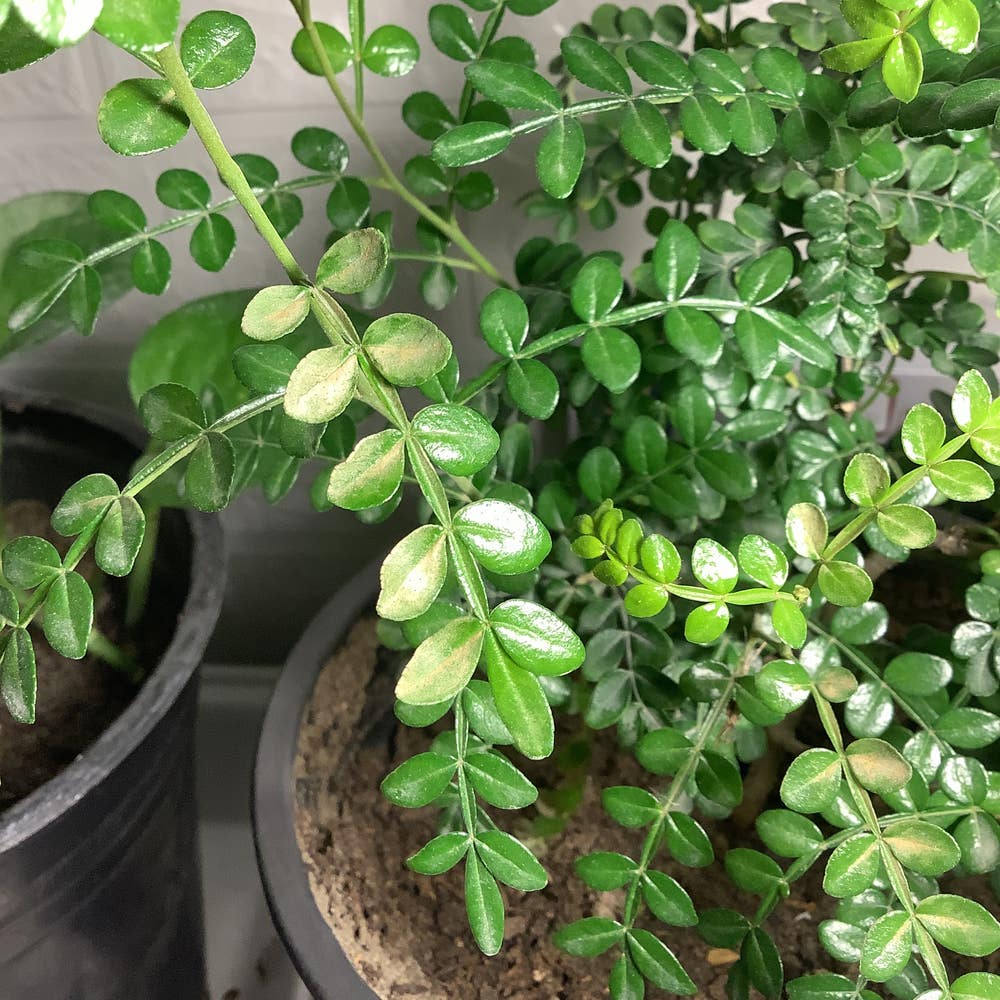
Ultimate Guide to Fixing Dropping Leaves on Sichuan Pepper 🌶️
Zanthoxylum schinifolium
By the Greg Editorial Team
Oct 25, 2024•6 min read
This article was created with the help of AI so we can cover more plants for you. May contain errors. See one? Report it here.
Transform your Sichuan pepper plant care 🌱 with essential tips to prevent frustrating leaf drop and ensure vibrant growth!
- 🌡️ Optimal temperature and humidity for Sichuan pepper: 15-25°C and 40-60% humidity.
- 💧 Prevent leaf drop by avoiding overwatering; ensure good drainage and check soil moisture.
- 🌱 Nutrient deficiencies can cause leaf drop; use balanced fertilizers every 4-6 weeks.
Causes of Leaf Drop
🌡️ Environmental Stress Factors
Temperature extremes can significantly impact your Sichuan pepper plant. The ideal temperature range is between 15°C to 25°C (59°F to 77°F); anything outside this can lead to stress symptoms like leaf curling and discoloration.
Humidity levels also play a crucial role. Sichuan pepper prefers humidity between 40% to 60%. Low humidity can cause dry leaf edges and increase the likelihood of leaf drop.
💧 Soil Moisture Issues
Overwatering is a common issue that can lead to serious problems. Signs include yellowing leaves and mushy roots, indicating that the plant is drowning. To prevent this, ensure your soil is well-draining and that pots have drainage holes.
On the flip side, underwatering can also cause distress. Symptoms like wilting and crispy leaf edges signal that your plant needs water. Regularly check soil moisture levels and water when the top inch feels dry.
🥦 Nutrient Deficiencies
A nitrogen deficiency can stunt your plant's growth, leading to pale green leaves. To remedy this, use a balanced fertilizer that includes nitrogen.
Potassium deficiency is another concern, often manifesting as leaf tip browning and weak stems. Applying potassium-rich fertilizers during the growing season can help restore your plant's health.
🐜 Pest Infestations
Common pests like aphids and spider mites can wreak havoc on your Sichuan pepper. Aphids leave sticky residue and cause curled leaves, while spider mites create fine webbing and stippled leaves.
Control methods vary. Organic options like neem oil and insecticidal soap are effective for mild infestations. For severe cases, systemic insecticides may be necessary.
🍄 Fungal Diseases
Fungal diseases can also lead to leaf drop. Root rot, for instance, shows symptoms like wilting despite adequate watering and a foul smell from the soil. Prevent this by using well-draining soil and avoiding overwatering.
Leaf spot is another issue, characterized by dark spots on leaves and premature leaf drop. If you notice these symptoms, remove affected leaves and consider applying fungicides if necessary.
Understanding these causes can help you take proactive steps to keep your Sichuan pepper healthy. Next, we’ll explore how to diagnose leaf drop effectively.
Diagnosing Leaf Drop
Identifying Symptoms 🌿
Yellowing leaves can signal nutrient deficiencies or overwatering. If your Sichuan pepper is wilting, it might be a sign of underwatering or root issues.
Assessing Environmental Conditions 🌤️
Light Exposure ☀️
Your plant thrives in full sun to partial shade. If you notice stretching stems or pale leaves, it may not be getting enough light.
Temperature ❄️
Keep an eye on temperature extremes. Sudden changes can stress your plant, leading to leaf drop.
Soil Testing 🧪
pH Levels ⚗️
Aim for a slightly acidic to neutral pH range of 6.0 to 7.0. You can test this using home soil test kits or by sending samples to a professional lab.
Nutrient Levels 🥗
Balanced nutrients are crucial for healthy growth. Regular soil testing helps ensure your plant gets what it needs.
Inspecting for Pests and Diseases 🐛
Conduct regular checks for visible pests on leaves and stems. Look out for signs of disease, such as discoloration or unusual growth patterns, to catch issues early.
By diagnosing these symptoms and conditions, you can take proactive steps to keep your Sichuan pepper healthy and thriving. Next, let’s explore how to prevent leaf drop effectively.
Preventing Leaf Drop
🌞 Optimal Growing Conditions
To keep your Sichuan pepper thriving, ensure it receives 6-8 hours of sunlight daily. This exposure is crucial for robust growth and helps prevent leaf drop.
Maintaining the right temperature and humidity is equally important. Aim for a temperature range of 15°C to 25°C (59°F to 77°F) and humidity levels between 40% and 60% to minimize stress on the plant.
💧 Proper Watering Techniques
Drainage is key to healthy roots. Always use pots with drainage holes and well-draining soil to prevent water from pooling.
When it comes to watering frequency, check the soil moisture regularly. Water only when the top inch of soil feels dry, and avoid letting the plant sit in water to prevent root rot.
🌱 Fertilization Schedule
Using the right types of fertilizers can make a significant difference. Opt for balanced NPK fertilizers during the growing season to provide essential nutrients.
Timing is everything; fertilize every 4-6 weeks from spring to early fall to support healthy growth and prevent nutrient deficiencies.
🐞 Regular Pest Monitoring and Control
Stay proactive with weekly inspections for pests. Early detection can save your plant from severe infestations.
Consider implementing preventive measures, such as companion planting, to create a more resilient garden environment. This strategy not only helps deter pests but also promotes overall plant health.
By focusing on these preventive measures, you can create an optimal environment for your Sichuan pepper, significantly reducing the chances of leaf drop. Next, let’s explore effective treatment options if leaf drop does occur.
Treating Leaf Drop
🌊 Adjusting Watering Practices
- Start by assessing your current watering schedule. This will help you identify if you're over or under-watering your Sichuan pepper plant.
- Adjust the frequency based on soil moisture readings. Stick your finger into the soil; if the top inch feels dry, it’s time to water.
- Ensure proper drainage to prevent root rot. Use pots with drainage holes and well-draining soil to keep roots healthy.
🌱 Nutrient Supplementation Methods
- Identify nutrient deficiencies through visible symptoms. Look for pale leaves or stunted growth as indicators.
- Choose appropriate fertilizers, such as those high in nitrogen or potassium, to address specific deficiencies.
- Apply fertilizers according to package instructions. This ensures your plant gets the right nutrients without overdoing it.
🐛 Pest Control Strategies
Organic Options
- Neem oil application: Mix neem oil with water and spray it on affected areas. This natural remedy helps deter pests without harming beneficial insects.
- Insecticidal soap: Apply during cooler parts of the day to avoid leaf burn. This method is effective against soft-bodied pests like aphids.
Chemical Options
- Systemic insecticides: If the infestation is severe, follow label instructions for safe application. These can penetrate the plant and provide longer-lasting protection.
✂️ Pruning Techniques to Promote Healthy Growth
- Identify dead or damaged leaves and stems. This helps redirect the plant's energy to healthier parts.
- Use clean, sharp pruning shears to make precise cuts. This minimizes stress on the plant.
- Cut back to healthy tissue to encourage new growth. Regular pruning can rejuvenate your Sichuan pepper and improve its overall health.
By following these treatment methods, you can effectively address leaf drop and promote a thriving Sichuan pepper plant. Next, let’s explore how to prevent leaf drop from happening in the first place.
⚠️ Safety First
This content is for general information and may contain errors, omissions, or outdated details. It is not medical, veterinary advice, or an endorsement of therapeutic claims.
Always consult a qualified healthcare professional before using any plant as food, medicine, or supplement.
Never eat any plant (or feed one to pets) without confirming its identity with at least two trusted sources.
If you suspect poisoning, call Poison Control (800) 222-1222, the Pet Poison Helpline (800) 213-6680, or your local emergency service immediately.
Spotted an error? Please report it here.
Keep your Sichuan pepper thriving 🌿 by using Greg's personalized care tips and watering reminders to prevent leaf drop and promote vibrant growth!