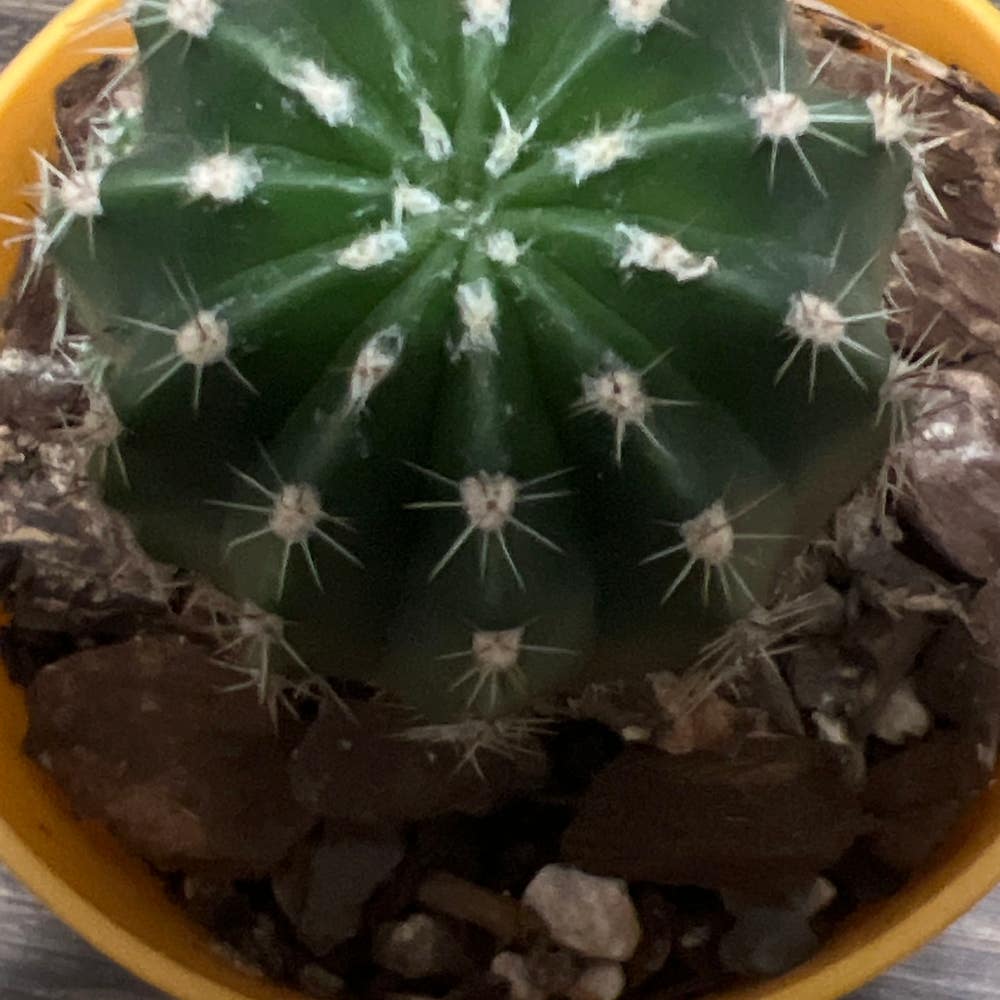
Why Are My Rose Quartz Peanut Cactus Leaves Turning Yellow?
Echinopsis 'Rose Quartz'
By the Greg Editorial Team
Feb 10, 2024•4 min read
This article was created with the help of AI so we can cover more plants for you. May contain errors. See one? Report it here.
Solve the yellow leaf mystery 🌵 and keep your Peanut Cactus thriving with these essential care tips!
- Over/underwatering causes yellowing: Adjust watering habits for cactus health.
- 🌞 Too much sun can sunburn: Provide bright, indirect light to prevent yellowing.
- 🐛 Inspect for pests regularly: Use natural remedies like neem oil for control.
Spotting the Trouble: Signs Your Cactus Is Unhappy
💛 Yellowing Leaves: Not Just a Color Change
Yellowing leaves on your Rose Quartz Peanut Cactus are red flags. Check if the yellowing is uniform across the plant or in patches – this detail matters. Other signs of distress include wilting, stunted growth, or a cactus that's lost its mojo.
🕰 When It's Not Just Old Age
Yellowing isn't always a sign of decline due to age. If it's the newer leaves turning yellow, you've got a problem. This isn't your cactus gracefully entering its golden years; it's a warning sign that something's off with its care.
Water Woes: Striking the Right Balance
🌊 Too Much Love: The Perils of Overwatering
Yellowing leaves and a funky soil smell scream overwatering. Your Peanut Cactus isn't throwing a pool party; it's drowning in moisture.
To save your cactus from a soggy demise, stop watering immediately. Let the soil dry out. If it's a swamp in there, consider repotting with fresh, well-draining soil. Check for proper drainage; it's a lifeboat for your waterlogged friend.
🏜️ Thirsty Spikes: The Underwatering Conundrum
A parched Peanut Cactus will have dry soil and crispy leaves. It's silently begging for a drink.
Hydrate without harm by watering deeply yet infrequently. Wait for the top inch of soil to dry out before the next watering. Observe your cactus's response; it's a living barometer for its own needs. Adjust your watering habits to match the cactus's lifestyle, not yours.
Sun Smarts: Protecting Your Cactus from the Rays
🌞 The Sunburn Connection
Just like us, cacti can get too much sun. Excessive sunlight can cause your Rose Quartz Peanut Cactus to turn yellow, a clear sign of distress. This yellowing often appears on the side most exposed to the sun and can lead to brown, crispy patches if left unchecked.
To prevent this, it's crucial to provide bright but indirect light. During peak sun hours, use sheer curtains or a shade cloth to filter the intensity. This simple step can save your cactus from a sunburnt fate.
🌅 Ideal Sunbathing for Cactus Health
Finding the perfect spot for your Peanut Cactus is like hitting the jackpot. It thrives in a location with ample light but without the harsh midday rays. A few feet from a south or west-facing window usually hits the mark, offering a cozy glow without the burn.
Remember, as the seasons shift, so should your cactus's spot. Keep an eye on the light conditions and move your plant accordingly. It's not about chasing the sun but rather finding a balance that keeps your cactus happy and healthy.
Bug Battles: Keeping Pests at Bay
🐛 Unwanted Guests: Pests That Cause Yellowing
Mealybugs and spider mites are the usual suspects in the yellowing of your Rose Quartz Peanut Cactus. These pests suck the life out of your plant, leaving a telltale pallor. Scale insects are another common villain, attaching themselves to your cactus like tiny, stubborn limpets.
To catch these pests, inspect your cactus regularly. Look for sticky residue, webbing, or the bugs themselves. Yellow sticky traps can snag flying insects, while a sprinkle of diatomaceous earth wards off crawlers.
💥 Fight Back: Effective Pest Control Strategies
When it comes to pest control, think of it as a strategic battle. Neem oil and insecticidal soap are your foot soldiers, safe yet effective against the onslaught. For a more natural approach, enlist the help of ladybugs and lacewings; they're like the special ops of your garden, taking out aphids and mites with precision.
Chemical pesticides are the nuclear option. Use them as a last resort, since they can be harmful to more than just pests. Remember, the best defense is a strong offense: maintain proper soil composition and drainage to prevent pest invasions from the get-go.
⚠️ Safety First
This content is for general information and may contain errors, omissions, or outdated details. It is not medical, veterinary advice, or an endorsement of therapeutic claims.
Always consult a qualified healthcare professional before using any plant as food, medicine, or supplement.
Never eat any plant (or feed one to pets) without confirming its identity with at least two trusted sources.
If you suspect poisoning, call Poison Control (800) 222-1222, the Pet Poison Helpline (800) 213-6680, or your local emergency service immediately.
Spotted an error? Please report it here.
Banish the yellowing woes of your Rose Quartz Peanut Cactus with Greg's custom reminders 🌵, ensuring perfect watering and ideal light conditions for a vibrant, healthy plant.