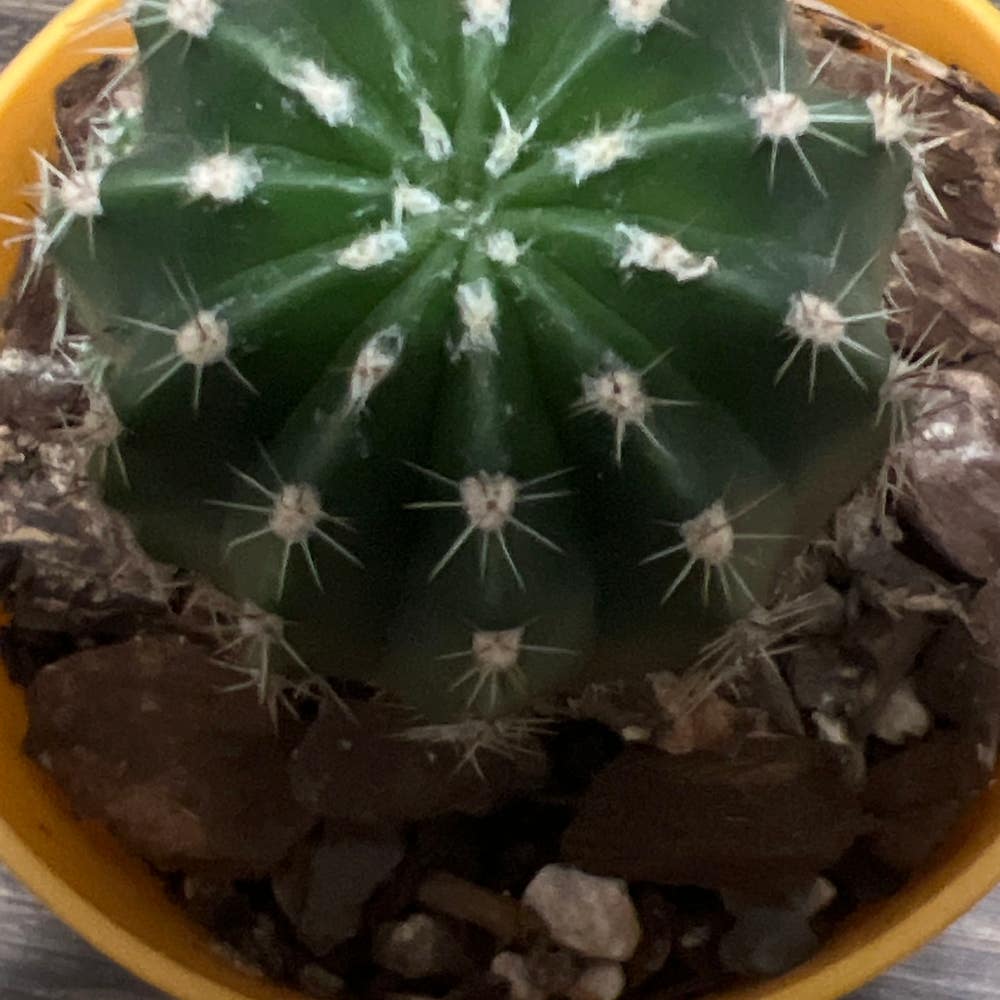
🌵 Why Are My Rose Quartz Peanut Cactus Leaves Falling Over?
Echinopsis 'Rose Quartz'
By the Greg Editorial Team
Feb 10, 2024•5 min read
This article was created with the help of AI so we can cover more plants for you. May contain errors. See one? Report it here.
Prevent your Peanut Cactus 🌵 from flopping with these crucial, easy-to-follow care tips!
- Overwatering and underwatering can both cause cactus leaves to fall over.
- 🌞🌵 Proper light and rotation ensure upright growth and prevent leaning.
- Terracotta pots and well-draining soil help maintain cactus stability.
When Watering Goes Wrong
💧 Too Much of a Good Thing: Overwatering Woes
Yellowing leaves and brown spots might be your cactus's way of saying, "Ease up on the H2O, buddy." Overwatering leads to a host of issues, the most sinister being root rot. Roots should be firm and white, not brown and mushy like overcooked pasta. If your cactus is shedding leaves like a dog in summer, it's time to reassess your watering habits.
To fine-tune your watering schedule, wait until the soil is dry before giving your plant a drink. Think of your cactus as a camel, not a fish; it's built to endure dry spells. Ensure your pot has proper drainage to avoid creating a miniature swamp for your desert dweller.
🏜️ Thirsty Plant Problems: The Underwatering Equation
Conversely, a cactus that's more wrinkled than a linen shirt in a suitcase is crying out for water. Dry, crispy leaves are your cactus's SOS signal. Underwatering can leave your plant more parched than a beachgoer without sunscreen.
To establish a consistent watering routine, check the soil's moisture by sticking your finger an inch deep. If it feels like a dry martini, it's time to water. But remember, moderation is key – you want to quench your cactus's thirst, not throw it a pool party.
Let There Be Light (But Not Too Much)
🌵 Seeking the Sweet Spot: Ideal Lighting for Upright Growth
Light is crucial for your Rose Quartz Peanut Cactus, but it's all about balance. If your cactus is stretching like it's trying to grab a sunbeam, it's begging for more light. On the flip side, if it's sporting a bleached tan or crispy edges, it's had a bit too much sun.
Adjusting your cactus's sunbathing schedule is essential. Rotate it periodically for even light exposure. During the darker months, consider a grow light, but keep it at a distance to avoid scorching. Remember, light cycles mimic seasons, which your cactus loves.
Watch for signs of distress. A cactus leaning away from the light is a silent plea for more lumens. Conversely, a sunburned cactus is a red flag for too much direct exposure. Adjust its position with the changing seasons to maintain that ideal light sweet spot.
Practical Tips:
- Rotate your cactus to ensure even light exposure.
- Use grow lights wisely in low-light conditions, but don't overdo it.
- Observe changes in your cactus's appearance to gauge if the light is too much or too little.
The Right Fit: Pot and Soil Selection
👑 Choosing a Throne Fit for a Cactus King
Pot size and type are crucial in preventing your Rose Quartz Peanut Cactus from taking an unwanted tumble. Terracotta or clay pots are your best bet, thanks to their moisture-wicking superpowers. Make sure the pot has drainage holes; without them, you're basically setting up a mini swimming pool for your cactus's roots.
🌱 Selecting the Perfect Soil Mix for Stability and Health
The right soil mix is like a backstage crew for a rockstar—it's essential but often overlooked. Aim for a mix that's one part perlite, one part coarse sand, and one part potting soil. This combo ensures your cactus won't drown in excess moisture. Remember, the ingredients you choose are the difference between a cactus that's living its best life and one that's just barely surviving.
Stabilizing Your Cactus
🌵 Repotting Without the Flop
Repotting is not just about giving your cactus a new home; it's a strategic move for stability. Here's how to do it without causing a cactus calamity:
- Choose the right time: Repot during the cactus's growth period, typically in the spring or early summer.
- Select a suitable pot: Just a size up from the current one, with drainage holes to prevent soggy soil syndrome.
- Suit up: Gloves are your best friend here, unless you fancy a prickly handshake.
- Gently remove: Tilt the pot and ease the cactus out. If it plays hard to get, a gentle tap or a wiggle should do the trick.
- Inspect the roots: Trim any rotten or dead parts to keep things healthy.
- Prep the new pot: A layer of gravel followed by cactus mix, but don't get overzealous—just a couple of inches will do.
- Position your cactus: Center it like it's the star of the show, because it is.
- Backfill with soil: Support the cactus with one hand, and with the other, sprinkle in the soil. Firm it down to eliminate air pockets.
- Water wisely: Give it a drink, but don't drown it. Think of it as a sip of champagne to celebrate the move.
- Wait to water again: Let the soil dry out completely before the next watering session, like a desert waiting for rain.
🌵 DIY Cactus Supports: Keeping Your Plant Upright
Sometimes a cactus leans like it's trying to tell you a secret. Here's how to straighten things out:
- Stakes and strings: A stake taller than your cactus and some soft ties can work wonders. Think of it as a cactus corset.
- Trellis trick: For the more adventurous, a mini trellis can add support and style.
- Rock steady: Surround the base with small rocks to add weight and keep it from doing the limbo.
- Positioning: Keep it away from high traffic areas where it might get bumped into; it's not a fan of the mosh pit.
Remember, patience is key. Your cactus won't straighten up overnight, but with the right support, it'll get there. Keep an eye on it, and adjust your methods if it's still throwing shapes.
⚠️ Safety First
This content is for general information and may contain errors, omissions, or outdated details. It is not medical, veterinary advice, or an endorsement of therapeutic claims.
Always consult a qualified healthcare professional before using any plant as food, medicine, or supplement.
Never eat any plant (or feed one to pets) without confirming its identity with at least two trusted sources.
If you suspect poisoning, call Poison Control (800) 222-1222, the Pet Poison Helpline (800) 213-6680, or your local emergency service immediately.
Spotted an error? Please report it here.
Achieve the perfect balance ⚖️ for your Rose Quartz Peanut Cactus care with Greg's tailored reminders, helping you prevent the topple with just the right touch of water and light.