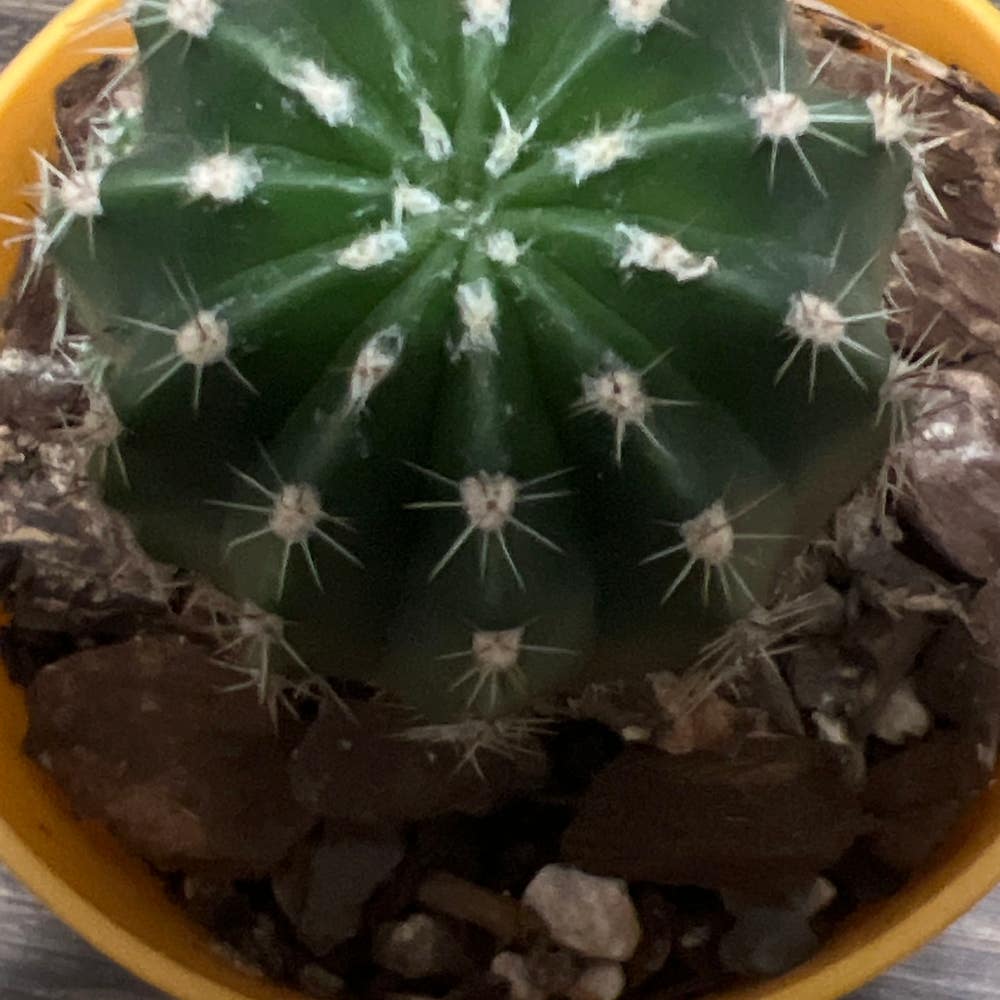
🌵 Introduction to Echinopsis 'Rose Quartz'
Echinopsis 'Rose Quartz'
By the Greg Editorial Team
Jan 23, 2025•12 min read
This article was created with the help of AI so we can cover more plants for you. May contain errors. See one? Report it here.
Elevate your garden with Echinopsis 'Rose Quartz' 🌵, a low-maintenance cactus that dazzles with vibrant blooms and resilience!
- 🌞 Echinopsis 'Rose Quartz' needs 6-8 hours of sunlight for optimal growth.
- 🌱 Use well-draining soil to prevent root rot and ensure healthy roots.
- 🐝 This cactus attracts pollinators and improves indoor air quality.
How to Grow
Choosing a Location 🌞
Echinopsis 'Rose Quartz' thrives in full sun, requiring 6-8 hours of direct sunlight daily. Whether you choose to grow it outdoors or in a container, ensure it has protection from harsh weather conditions like strong winds or heavy rain.
Soil Preparation 🏜️
For optimal growth, use a well-draining cactus mix or sandy loam. Aim for a soil pH between 6.0 and 7.0, as proper drainage is crucial to prevent root rot.
Planting Techniques 🌱
When planting, ensure the top of the root ball is level with the soil surface. If you're planting multiple cacti, space them 12-18 inches apart, and the best time for planting is in spring or early summer.
Watering Requirements 🚰
Allow the soil to dry out completely between waterings to maintain healthy roots. Watch for signs of overwatering, like yellowing stems, or underwatering, which may cause shriveling.
Fertilizing Schedule 🍽️
Use a balanced cactus fertilizer with an NPK ratio of 10-10-10. Fertilize every 4-6 weeks during the growing season, but reduce or stop fertilization during the dormant season to avoid stressing the plant.
Pruning Methods ✂️
Prune Echinopsis 'Rose Quartz' after flowering or during its dormant phase. Remove any dead or damaged growth, and always sterilize your tools to prevent disease.
Ongoing Care Tips 🛡️
Regularly monitor your cactus for pests and diseases, adjusting care as seasons change. If you're growing in a container, repot every 2-3 years to refresh the soil and provide more space for growth.
With these guidelines, you'll be well on your way to cultivating a vibrant Echinopsis 'Rose Quartz' that adds beauty to your garden or home. Next, let’s explore how to propagate this stunning cactus!
Propagation
🌱 Seed Propagation Steps
Propagating Echinopsis 'Rose Quartz' from seeds is a rewarding process. Start by collecting seeds from mature flowers after pollination.
Next, create the right germination conditions: a warm, humid environment with indirect light is ideal. Seeds typically germinate within 2-4 weeks, so patience is key.
✂️ Cutting Propagation Methods
For those who prefer cutting propagation, begin by selecting healthy stems. Cut a 4-6 inch piece from the parent plant.
Allow the cuttings to callous for 1-2 days before planting. This step helps prevent rot. Finally, plant the cuttings in well-draining soil and water sparingly until they establish roots.
With these methods, you can easily expand your Echinopsis collection and enjoy the beauty of these stunning cacti. Now that you’re equipped with propagation techniques, let’s explore the lifecycle of Echinopsis 'Rose Quartz'.
Lifecycle
🌱 Overview of Life Cycle Stages
Echinopsis 'Rose Quartz' is a perennial cactus that undergoes a fascinating multi-stage lifecycle. Each stage plays a crucial role in its development and overall health.
🌡️ Germination Process
Successful germination requires warm temperatures and a humid environment with indirect light. Typically, seeds germinate within 2-4 weeks under these ideal conditions.
🌿 Seedling Stage Development
During the seedling stage, young plants exhibit small, vibrant green bodies and require careful attention to moisture and light. This stage lasts about 4-6 weeks, during which seedlings establish their roots.
🌳 Vegetative Growth Phase
In the vegetative growth phase, Echinopsis 'Rose Quartz' begins to develop its characteristic shape and size. Adequate light and water are essential for healthy growth during this period.
🌸 Flowering and Seed Production
Flowering usually occurs in late spring to early summer, showcasing stunning blooms. Pollination can happen naturally or through hand-pollination, leading to seed production that ensures the continuation of the species.
⏳ Lifespan and Growth Timeline
On average, Echinopsis 'Rose Quartz' has a lifespan of about 10-20 years. It typically reaches full maturity in approximately 3-5 years, growing at a moderate rate under optimal conditions.
With this understanding of its lifecycle, you can better appreciate the care and attention needed to cultivate this beautiful cactus. Next, we will explore the size characteristics of Echinopsis 'Rose Quartz' and how they can vary based on growing conditions.
Size
Mature Height and Spread 🌵
Echinopsis 'Rose Quartz' typically reaches a mature height of 12 to 18 inches. Its spread can range from 6 to 12 inches, making it a compact yet striking addition to your garden or indoor space.
Growth Rate Specifics 📈
This cactus grows at an average rate of 2 to 4 inches per year. Factors such as light exposure, water availability, and soil quality significantly influence its growth rate.
Size Variability Based on Conditions 🌤️
Growing conditions can lead to notable size variability in Echinopsis 'Rose Quartz'. For instance, a cactus in optimal sunlight and well-draining soil may flourish, while one in shaded or poor-quality soil may remain smaller and less vibrant.
Understanding these size dynamics can help you create the perfect environment for your cactus to thrive. As you cultivate your Echinopsis, keep an eye on its growth patterns to ensure it reaches its full potential.
Roots
Root System Characteristics 🌱
Echinopsis 'Rose Quartz' features a fibrous root system that is essential for its growth. These roots are relatively shallow, spreading outward to efficiently absorb water and nutrients.
Common Root-Related Issues 🚫
One of the most common problems is root rot, which can occur due to overwatering or poor drainage. To prevent this, ensure your cactus is planted in well-draining soil and avoid letting it sit in water.
Identifying Healthy vs. Unhealthy Roots 🔍
Healthy roots are firm and white, indicating vitality and proper function. In contrast, unhealthy roots appear dark and mushy, signaling potential rot or damage.
Recognizing Rootbound Plants and Solutions 🪴
A rootbound plant has roots that circle the pot, restricting growth. Signs include stunted growth and poor water absorption, which can be remedied by repotting and pruning the roots to encourage new growth.
By understanding the root system and addressing these common issues, you can ensure your Echinopsis 'Rose Quartz' thrives beautifully. Next, let's explore the benefits of this stunning cactus and why it deserves a spot in your garden.
Benefits
🌟 Top 5 Benefits
Ornamental Value
Echinopsis 'Rose Quartz' boasts stunning flowers that can elevate any garden's aesthetic. Their vibrant blooms create a captivating focal point, making them a favorite among plant enthusiasts.
Drought Resistance
This cactus thrives on minimal water, making it an excellent choice for xeriscaping. Its low water needs not only conserve resources but also reduce maintenance efforts.
Air Purification
Beyond beauty, Echinopsis 'Rose Quartz' contributes to improved indoor air quality. Its ability to filter toxins makes it a beneficial addition to your home environment.
Symbolism
This cactus symbolizes resilience and beauty, thriving in harsh conditions. It serves as a reminder of nature's strength, inspiring gardeners to appreciate the beauty in adversity.
Attracts Pollinators
The vibrant flowers of Echinopsis 'Rose Quartz' are a magnet for bees and other beneficial insects. By planting this cactus, you support local ecosystems and promote biodiversity in your garden.
These benefits highlight why Echinopsis 'Rose Quartz' is not just a plant, but a valuable addition to any garden or home. As we explore further, you'll discover how to care for this remarkable cactus to ensure it thrives beautifully.
Companion Plants
🌱 Concept of Companion Planting
Companion planting is a gardening strategy that pairs plants together for mutual benefits. This technique can enhance pest management and promote improved growth, making it a smart choice for Echinopsis 'Rose Quartz' enthusiasts.
🌵 Best Companion Plants
When selecting companions for your Echinopsis 'Rose Quartz', consider other cacti, succulents, and drought-tolerant plants. These plants share similar care requirements and aesthetics, creating a harmonious garden environment.
🚫 Plants to Avoid
It's essential to steer clear of plants that require high moisture or shade. Such companions can lead to competition for resources and may create unfavorable growing conditions for your cactus.
Toxicity to Humans
Safety Overview 🌱
Echinopsis 'Rose Quartz' is not listed as toxic by major poison control centers, making it a safe choice for your home. Generally, there’s minimal risk of irritation, but some individuals may experience mild skin irritation or minor digestive discomfort if ingested.
Cautionary Statement ⚠️
While this cactus is considered safe, it’s wise to exercise caution with any plant. If you notice unusual symptoms after contact or ingestion, seeking medical advice is always a good idea.
Toxicity to Dogs
Safety Overview 🐶
Echinopsis 'Rose Quartz' is not listed as toxic by major pet poison control centers. This means that, in general, there is a low risk of serious issues for dogs that come into contact with or consume this plant.
Potential Minor Issues 🤢
While the plant is safe, ingestion may lead to mild gastrointestinal upset in some dogs. It's always good to be aware of your pet's reactions, just in case.
Tips for Introducing to Homes with Dogs 🏡
When bringing Echinopsis 'Rose Quartz' into a home with dogs, proper placement is key. Ensure the plant is out of reach of curious noses and paws.
Monitoring Dog Behavior 👀
Keep an eye on your dog's behavior around new plants. This will help you gauge their interest and prevent any potential mishaps.
Cautionary Statement ⚠️
Though considered safe, it’s wise to monitor pets around any plants. If you notice unusual symptoms after contact or ingestion, consult a veterinarian for guidance.
With these precautions, you can enjoy the beauty of Echinopsis 'Rose Quartz' while keeping your furry friends safe.
Toxicity to Cats
Safety Overview 🐱
Echinopsis 'Rose Quartz' is not listed as toxic by major pet poison control centers. This means that, in general, there is a low risk of serious issues for cats around this plant.
Minor Issues from Consumption 🍽️
While the cactus is safe, minor gastrointestinal upset can occur if a cat consumes it. It's always best to keep an eye on your furry friend to ensure they don't nibble too much.
Tips for Introducing to Homes with Cats 🏡
To keep your curious cats safe, place the Echinopsis 'Rose Quartz' out of their reach. This simple step can prevent any accidental munching.
Monitoring Cat Behavior 👀
Observe your cat's behavior around new plants. If they show excessive interest, consider relocating the cactus to a higher spot.
Cautionary Statement ⚠️
Even though this cactus is considered safe, it's wise to monitor your pets around any plants. If you notice unusual symptoms after contact or ingestion, consult a veterinarian for peace of mind.
With these precautions, you can enjoy the beauty of Echinopsis 'Rose Quartz' while keeping your feline friends safe.
Problems
Common Problems 🌵
Echinopsis 'Rose Quartz' can face several challenges that affect its health and growth. Understanding these common problems is key to keeping your cactus thriving.
Incorrect Watering
Watering issues are among the most frequent problems. Signs of overwatering include yellowing stems and mushy roots, while underwatering may cause shriveling and browning.
Incorrect Light Conditions
Light is crucial for healthy growth. Insufficient light can lead to elongated, weak stems, while excessive light may cause scorching and browning of the cactus skin.
Incorrect Temperature
Temperature extremes can stress your cactus. Too much heat can lead to wilting, while cold drafts can cause stunted growth or even death.
Diseases
Fungal diseases like powdery mildew and root rot can plague Echinopsis 'Rose Quartz.' These issues often arise from poor air circulation or overly damp soil.
Leaf Issues
Leaf problems can manifest as scorching, yellowing, or fuzzy growth. These symptoms often indicate underlying care issues that need addressing.
Identifying Symptoms and Causes 🔍
Recognizing the symptoms of these problems is essential for effective care.
- Overwatering: Look for yellowing and mushy roots.
- Underwatering: Watch for shriveling and browning.
- Insufficient Light: Notice weak, elongated stems.
- Excessive Light: Check for scorched patches on the skin.
- Temperature Stress: Observe wilting in heat or stunted growth in cold.
Common causes include improper watering schedules, inadequate light exposure, and environmental stressors.
Solutions for Top 5 Common Issues 🛠️
Addressing these problems early can save your cactus from serious harm.
- Watering: Adjust your watering schedule to allow the soil to dry completely between waterings.
- Light Conditions: Ensure your cactus receives 6-8 hours of bright, indirect sunlight daily.
- Temperature: Keep your cactus in a stable environment, avoiding extreme temperature fluctuations.
- Disease Management: Improve air circulation and avoid overwatering to prevent fungal issues.
- Leaf Care: Regularly inspect your cactus for signs of distress and adjust care accordingly.
Early intervention is crucial for maintaining the health of your Echinopsis 'Rose Quartz.' By being proactive, you can enjoy a flourishing cactus for years to come.
Bugs
🐜 Potential Pest Issues
Echinopsis 'Rose Quartz' is generally pest-resistant, making it a robust choice for gardeners. However, it can still face occasional pest challenges that require attention.
🔍 Identification and Damage
Common pests that may target your cactus include:
- Spider Mites: These tiny pests cEchinopsis 'Rose Quartz'ause yellowing leaves.
- Scale Insects: Look for small, brown bumps on the cactus surface, which can lead to wilting.
- Mealybugs: These appear as white, cottony masses and can weaken the plant by sucking sap.
- Aphids: These small, green insects cluster on new growth, causing distortion and stunted growth.
Each of these pests can cause significant damage if not addressed promptly.
💊 Effective Treatment Options
To keep your Echinopsis healthy, consider these treatment options:
- Organic Treatments: Neem oil and insecticidal soap are effective against many pests and are safe for the environment.
- Chemical Options: For severe infestations, systemic insecticides can provide a more aggressive approach.
Early detection is crucial. Regularly inspect your plants to catch any issues before they escalate. With proactive care, your cactus can thrive despite potential pest challenges.
What Eats
🦌 Common Animals
Echinopsis 'Rose Quartz' can attract a variety of garden visitors. Common culprits include deer, rabbits, squirrels, birds, and rodents, all of which may find your cactus a tempting snack.
🕵️♂️ Signs of Animal Presence
To protect your cactus, it's essential to recognize signs of animal activity. Look for chewed leaves, trampled soil, or droppings nearby, which indicate that wildlife is taking an interest in your plant.
🐾 Damage Caused by Animals
Each animal leaves its mark in different ways. Deer may strip leaves, rabbits can nibble the stems, while squirrels and rodents might dig around the roots, causing instability. Birds may peck at the flowers, leading to unsightly damage.
🚫 Deterrent Methods
Preventing these animals from feasting on your Echinopsis 'Rose Quartz' can be achieved through various methods.
- Chemical deterrents: Use commercial repellents that are safe for plants.
- Organic options: Consider sprinkling cayenne pepper or using garlic spray to deter pests.
Additionally, here are some practical tips for safeguarding your cactus:
- Physical barriers: Install fencing or use netting to keep larger animals at bay.
- Strategic placement: Position your cactus in areas less frequented by wildlife.
By implementing these strategies, you can enjoy your beautiful cactus without the worry of it becoming a meal for local fauna.
⚠️ Safety First
This content is for general information and may contain errors, omissions, or outdated details. It is not medical, veterinary advice, or an endorsement of therapeutic claims.
Always consult a qualified healthcare professional before using any plant as food, medicine, or supplement.
Never eat any plant (or feed one to pets) without confirming its identity with at least two trusted sources.
If you suspect poisoning, call Poison Control (800) 222-1222, the Pet Poison Helpline (800) 213-6680, or your local emergency service immediately.
Spotted an error? Please report it here.
Echinopsis 'Rose Quartz' is a captivating cactus that thrives on care, and with Greg's custom watering alerts 🌵, you'll keep it flourishing and vibrant in your home!