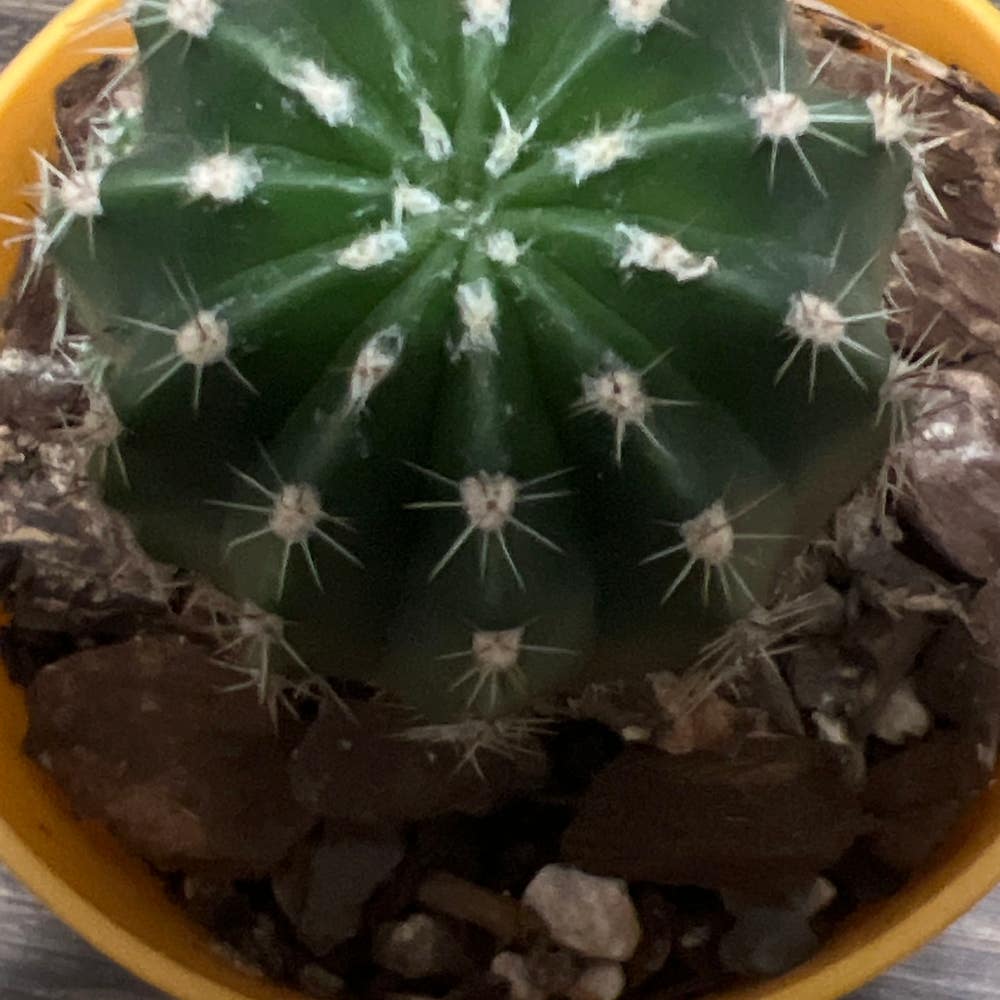
🌵 Should I Repot My Rose Quartz Peanut Cactus?
Echinopsis 'Rose Quartz'
By the Greg Editorial Team
Feb 10, 2024•3 min read
This article was created with the help of AI so we can cover more plants for you. May contain errors. See one? Report it here.
Boost your cactus's health and bloom with the perfect repotting guide 🌵🌸.
- 🌵 Root visibility and slow growth signal repotting time.
- Spring repotting aligns with the cactus's growth cycle.
- Choose a slightly larger, breathable pot and well-draining soil.
Spot the Clues: When Your Cactus Craves a New Home
🏃♂️ Roots on the Run
When the Rose Quartz Peanut Cactus starts to resemble a plant version of a jailbreak, it's a red flag. Roots peeking through the drainage holes or wrapping themselves around the inside of the pot are screaming for a change of scenery.
🌵 Slowed Growth and Blooming Blues
A cactus that's more sluggish than a Monday morning is likely root-bound. If your Rose Quartz Peanut Cactus has put the brakes on growth or the blooms are as scarce as an honest politician, it's high time for repotting.
Timing is Everything: Picking the Perfect Moment to Repot
⏰ Seasonal Smarts
Spring is your Rose Quartz Peanut Cactus's best friend when it comes to repotting. This season aligns with the cactus's natural growth cycle, giving it a boost in root development. It's like catching a wave; do it at the right time, and you'll ride smoothly into healthier growth.
Life Stages and Repotting Frequency
Younger cacti, still basking in the glow of youth, may need repotting annually as they rapidly expand. As they mature, this can be dialed back to once every 2-3 years. Keep an eye on the size; if your cactus seems to be playing dress-up in a pot that's too small, it's time for an upgrade.
The Repotting Rundown: A Step-by-Step Guide
🌵 Gently Does It: Removing Your Cactus
Extracting your Rose Quartz Peanut Cactus requires finesse and gloved hands. Tilt the pot, and with a gentle twist, encourage the cactus to part ways with its old abode. If the roots cling, a soft tap on the pot's bottom should do the trick. Once liberated, brush off the old soil for a clear view of the roots.
🏡 Prepping the New Pot
Selecting a new pot is like picking a new house for your cactus—size matters. Aim for a pot that's just 2 inches larger in diameter than the current one. Material-wise, terracotta or unglazed ceramic is ideal for its breathability, which is crucial for the health of your cactus's roots.
🌱 Soil Selection and Setup
Your cactus craves a well-draining soil mix—it's non-negotiable. Mix your own with 70-80% mineral grit like pumice or perlite and the rest a quality potting soil. Before planting, lay a foundation of this mix at the bottom, just enough to elevate the cactus to the pot's rim. When backfilling, resist the urge to compress; let the roots breathe.
After the Move: Ensuring a Smooth Transition
💧 Immediate Aftercare
Wait a week before watering your Rose Quartz Peanut Cactus post-repotting. This gives any disturbed roots a chance to heal. When you do water, go easy. The soil should be bone-dry before you water again.
Place your cactus in a spot that gets plenty of sunlight. If your indoor lighting is more 'cozy den' than 'sunny conservatory', consider a grow light. No fertilizer for the first month; let your cactus adjust without the extra boost.
🌵 Long-Term Success
For ongoing care, remember: less is more with water. Let the soil dry out completely between waterings. This might mean a watering break of 1-2 weeks, depending on your home's humidity levels.
Continue with a low-dose cactus fertilizer monthly during the growing season. Keep an eye on your cactus for any signs of distress, like wilting or discoloration, and adjust your care as needed. Your cactus is resilient but appreciates a steady hand.
⚠️ Safety First
This content is for general information and may contain errors, omissions, or outdated details. It is not medical, veterinary advice, or an endorsement of therapeutic claims.
Always consult a qualified healthcare professional before using any plant as food, medicine, or supplement.
Never eat any plant (or feed one to pets) without confirming its identity with at least two trusted sources.
If you suspect poisoning, call Poison Control (800) 222-1222, the Pet Poison Helpline (800) 213-6680, or your local emergency service immediately.
Spotted an error? Please report it here.
Repot your Rose Quartz Peanut Cactus for optimal growth 🌵 and let Greg remind you when it's time to do so, ensuring your spiky friend always has the perfect home.