💧 How Often Do I Need to Water My Rose Quartz Peanut Cactus?
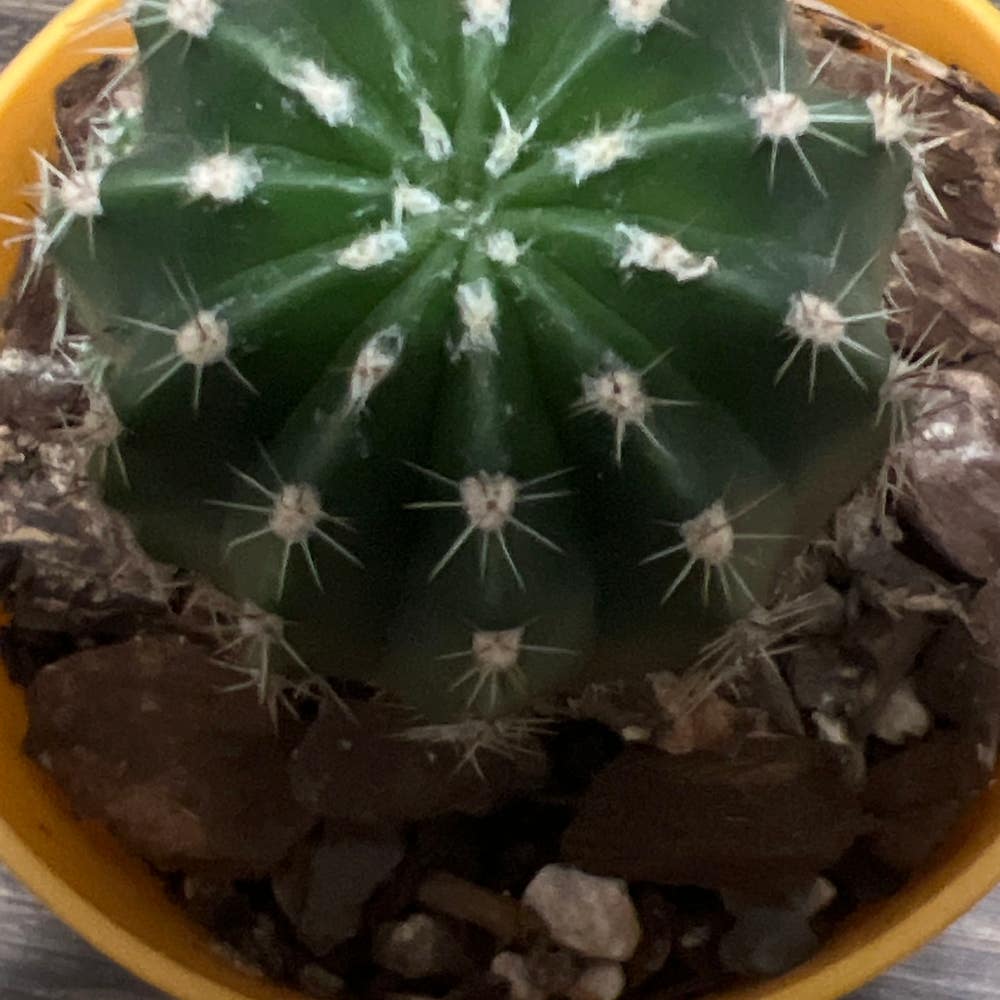
Echinopsis 'Rose Quartz'
By the Greg Editorial Team
Feb 10, 2024•6 min read
This article was created with the help of AI so we can cover more plants for you. May contain errors. See one? Report it here.
Thrive with every pour—discover your cactus's ideal watering schedule for lush growth! 🌵💧
- Check soil moisture with a finger test before watering.
- Seasonal watering adjustment: more in summer, less in winter.
- Terracotta pots and fast-draining mix best for cactus health.
When to Hit the Watering Sweet Spot
🕵️ Checking the Soil's Mood
Before you water, play detective with the soil. A quick finger test does the trick—dip an inch deep. If it's dry, your cactus is begging for a drink. No moisture? Time to water.
Plant Clues and Cues
Your cactus communicates, so pay attention. Droopy appearance? It's probably parched. Wrinkled skin? That's a cactus crying out for hydration. Learn to read these signs, and you'll master the art of watering.
Nailing the Watering Technique
💧 The Right Pour
To water your cactus correctly, think of mimicking a rare desert downpour. Start by pouring water slowly at the base of your plant, ensuring the entire root ball is soaked. Avoid splashing the foliage; it's not a fan of showers. Check that the water gets absorbed and doesn't just run off the surface. If you're not using a moisture meter, a chopstick can tell you a lot about soil moisture—clean means dry, dirty means wait.
🚰 Drainage Drama
Drainage is crucial; it's the difference between a thriving cactus and a swampy mess. Your pot must have drainage holes—no ifs, ands, or buts. Forget adding rocks at the bottom; they're as helpful as a screen door on a submarine. If you've accidentally overwatered, don't just hope for the best—take action. Move your plant to a shadier spot to slow down water uptake and consider repotting if necessary. Remember, your cactus prefers to err on the side of too dry rather than too wet.
Tackling the Extremes: Over and Under
🌵 SOS Signs from Your Cactus
Spotting the signs of distress in your cactus is crucial for its survival. Yellowing or mushy stems are telltale signs of overwatering. The plant may look as if it's been given a life jacket when all it wanted was a camel pack. On the other hand, a cactus that resembles a wrinkled prune is likely underwatered, with dry soil and crispy leaves begging for hydration.
🩹 Quick Fixes for a Happy Cactus
When you've overwatered, stop the H2O flow immediately. Think of it as enforcing a drought. Remove any decaying matter to halt rot in its tracks. If the soil is more saturated than a sponge in a rainstorm, it's time for a potting mix transplant. Ensure your pot has drainage holes; without them, you're setting your cactus up for a swim it never wanted.
Underwatering requires a different approach. Rehydrate your cactus by watering deeply, but do so sparingly. The goal is to mimic a rare desert downpour. Check the soil's dryness before each watering and adjust your schedule with the changing seasons. Remember, a cactus can recover from a dry spell, but it's not cut out for water aerobics.
Seasonal Watering Rhythms
🌧️ Summer Soak vs. Winter Sips
Your rose quartz peanut cactus's thirst fluctuates with the seasons. Here's how to keep it happily hydrated year-round.
Checking the Calendar
Summer demands more frequent watering. Your cactus is in its glory, soaking up the sun and growing actively. It's time to ramp up the hydration to match this energy surge. But keep a vigilant eye; overzealous watering can drown its roots.
Winter Water Wisdom
Come winter, your cactus is more about conserving energy than flaunting growth. It's time to dial back on the watering. Let the soil dry out more between sessions. Think of it as the plant's hibernation period; it's sipping, not guzzling water.
Adapting to Your Environment
Your local climate is a wildcard. Arid areas might call for a bit more water, even in the cooler months. Humid spots? Ease up. Your cactus's watering needs are as local as your weather forecast.
The Morning Ritual
Regardless of the season, aim to water in the morning. This consistent timing helps your cactus maintain its circadian rhythm, absorbing moisture efficiently during the day.
Seasonal Shifts
As the seasons transition, so should your watering routine. Spring's arrival means gradually increasing water as your cactus wakes up. Autumn is the reverse, signaling a slow descent into less frequent watering.
Regional Climate Impact
Don't forget to factor in your regional climate. It's not just about the calendar; it's about how hot, cold, dry, or wet your local environment is throughout the year. Adjust your watering accordingly, and your cactus will thank you.
Potting Mix and Containers: The Watering Assistants
🌱 Choosing the Right Allies
Selecting the best soil and pot to complement your watering.
Choosing the Right Allies
Your rose quartz peanut cactus deserves a potting mix that's more than just dirt; it's a life support system. Go for a mix that's airy and fast-draining—think cactus and succulent mix with a generous helping of perlite or sand. This isn't just about avoiding soggy soil; it's about giving those roots the breathing room they crave.
🌿 The Potting Mix Lowdown
A good potting mix is like a VIP lounge for your cactus's roots. It should be exclusive, allowing air and water to mingle without getting clingy. Look for a mix that's got the right bouncers—perlite, vermiculite, or sand—to keep excess moisture out.
🏺 Picking the Perfect Pot
When it comes to containers, terracotta or unglazed clay are your MVPs. They're not just for show; their porous nature helps wick away extra moisture, reducing the risk of root rot. Plastic may be lightweight, but it can trap water like a dam. If you go plastic, ensure those drainage holes are doing their job.
Size Matters
Size up your pot correctly; a couple of inches larger than the root ball is the sweet spot. It's spacious enough for growth but won't leave your plant swimming in excess soil. Remember, a pot too large can mean too much moisture, and that's a no-go for your cactus.
🚰 Drainage: Non-negotiable
Drainage holes are the escape route for excess water. They're as essential as a fire exit in a building. A layer of pebbles at the bottom? That's like adding an extra safety feature. It's not just about preventing a flood; it's about ensuring a quick dry-out after each watering session.
🏺 The Terracotta Tip
Pair your potting mix with a terracotta pot for a dynamic duo of moisture management. It's not just aesthetics; it's about giving your cactus the dry feet it prefers. If you're in a humid climate, this combo is your secret weapon against dampness.
The Custom Mix Approach
Feeling adventurous? Mix your own soil. Sterilize it first to avoid uninvited guests. It's like tailoring a custom suit—it needs to fit your cactus just right, balancing water retention and drainage for that perfect moisture equilibrium.
⚠️ Safety First
This content is for general information and may contain errors, omissions, or outdated details. It is not medical, veterinary advice, or an endorsement of therapeutic claims.
Always consult a qualified healthcare professional before using any plant as food, medicine, or supplement.
Never eat any plant (or feed one to pets) without confirming its identity with at least two trusted sources.
If you suspect poisoning, call Poison Control (800) 222-1222, the Pet Poison Helpline (800) 213-6680, or your local emergency service immediately.
Spotted an error? Please report it here.
Ensure your Rose Quartz Peanut Cactus thrives 🌵 with Greg's smart reminders to check soil moisture and seasonally adjust your watering routine!