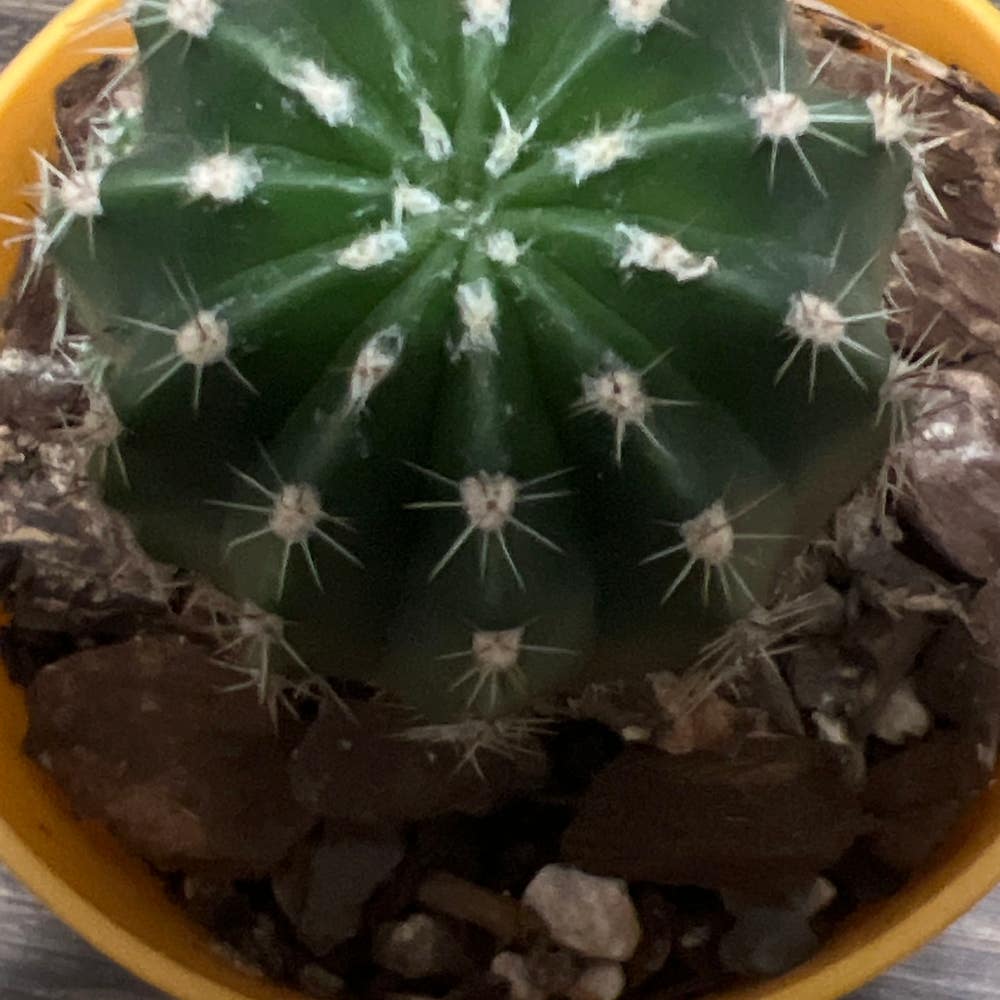
Why Are There Brown Spots on My Rose Quartz Peanut Cactus?
Echinopsis 'Rose Quartz'
By the Greg Editorial Team
Feb 10, 2024•4 min read
This article was created with the help of AI so we can cover more plants for you. May contain errors. See one? Report it here.
Banish brown spots 🤎 on your Peanut Cactus with these fail-safe care secrets! 🌵
- Overwatering and sunburn are common causes of brown spots on cacti.
- Adjust watering and sunlight to prevent and treat brown spots.
- Use well-draining soil and pots for long-term cactus health.
Spotting the Trouble: Identifying Brown Spots
🕵️ Visual Clues: What Brown Spots Look Like
Brown spots on your Rose Quartz Peanut Cactus can range from light tan to a deep, concerning brown. They may appear as tiny specks or evolve into larger blotches, sometimes with crispy edges or a slimy feel. The location of these spots is also a clue; they may favor leaf tips, bases, or undersides.
🖐️ Texture Tells: Feeling for Signs of Damage
When it comes to texture, your fingertips are your best tool. A dry, crispy texture could indicate sunburn, while a soft, mushy spot might scream overwatering. Fungal infections often have a distinct feel, like a bumpy road or a slimy coating. Don't be afraid to get hands-on; gently poke the spots. If they squish, it's time to rethink your watering schedule. If they crackle, it's a sign to reassess the cactus's sunbathing routine.
The Usual Suspects: Common Causes of Brown Spots
💦 Too Much Love: The Perils of Overwatering
Overwatering is like that friend who doesn't know when to leave the party. It's all fun and games until your cactus is gasping for air. The Rose Quartz Peanut Cactus isn't a fan of soggy feet; too much water leads to soft, dark brown spots. These are warning signs that your plant's roots are throwing up a white flag.
🌞 Sun Kissed or Sun Scorched? Understanding Sunburn
Sunburn, on the other hand, is the equivalent of a beach day without sunscreen. Your cactus loves the sun, but too much direct exposure causes dry, crispy spots. These typically show up on the areas that soak up the most rays. If your cactus looks like it's trying to audition for a "crispy critter" role, it's time to dial back the sunbathing.
🍄 Uninvited Guests: Recognizing Fungal Infections
Then there are the fungal infections, the uninvited guests that crash the party. They leave behind spots with a yellow halo or concentric rings, which are the plant's way of saying, "Help, I'm under attack!" If you see these, it's time to play bouncer and kick those fungi to the curb with proper treatment.
Nipping it in the Bud: Immediate Actions to Take
💧 Water Wisely: Adjusting Your Watering Habits
When your Rose Quartz Peanut Cactus sports brown spots, it's time to change your watering game. Overwatering is a common misstep, so let's dial it back. Wait for the soil to dry out before you water again—think desert, not swamp. Stick your finger in the top inch of soil; if it's dry, your cactus is ready for a drink.
🌥️ Shady Solutions: Protecting Your Cactus from Harsh Sunlight
Sunburn can turn a cactus from chic to shabby real quick. If your plant's been soaking up rays like it's on spring break, it's time to intervene. Move it to a spot with bright, but indirect, sunlight. Sheer curtains can be a cactus's best friend, filtering harsh rays and preventing those unsightly spots.
🍄 Fungus Among Us: Choosing the Right Treatment
Fungal infections are like uninvited party crashers; they show up unannounced and ruin the vibe. If you spot signs of fungus, isolate your cactus. Trim the affected areas with sterilized tools to prevent the spread. Choose a fungicide made for cacti and follow the label like it's a treasure map. And remember, keep the soil on the drier side to avoid rolling out the red carpet for future fungal fiestas.
Keeping it Spotless: Long-Term Prevention
🚿 Mastering the Art of Watering
Timing is crucial when watering your Rose Quartz Peanut Cactus. Water deeply but infrequently, allowing the soil to dry out between sessions. This mimics the natural arid conditions the cactus loves. Early morning is the golden hour for watering, letting the roots drink up before the sun cranks up evaporation.
🌞 Creating the Perfect Sunbathing Spot
Your cactus craves sunlight, but not a sunburn. Find a sweet spot where it can bask in bright, indirect light. Think of it as setting up a lounge chair in the shade; your cactus gets to enjoy the warmth without the risk of overexposure.
🏡 The Best Home: Pot and Soil Selection for Health
Breathability is key for the pot—unglazed clay is your go-to. For soil, aim for a mix that's as gritty as a no-nonsense detective. A combination of sand, perlite, and potting soil provides the drainage your cactus needs to avoid wet feet. Keep your tools and pots clean to dodge disease, and remember, a clean home is a happy home for your cactus.
⚠️ Safety First
This content is for general information and may contain errors, omissions, or outdated details. It is not medical, veterinary advice, or an endorsement of therapeutic claims.
Always consult a qualified healthcare professional before using any plant as food, medicine, or supplement.
Never eat any plant (or feed one to pets) without confirming its identity with at least two trusted sources.
If you suspect poisoning, call Poison Control (800) 222-1222, the Pet Poison Helpline (800) 213-6680, or your local emergency service immediately.
Spotted an error? Please report it here.
Revive your Rose Quartz Peanut Cactus from spotty 🌵 to splendid with Greg's tailored care reminders, ensuring it gets just the right amount of water and sun!