Does My Rose Quartz Peanut Cactus Need Direct Sunlight?
Echinopsis 'Rose Quartz'
By the Greg Editorial Team
Feb 10, 2024•4 min read
This article was created with the help of AI so we can cover more plants for you. May contain errors. See one? Report it here.
Nurture your Rose Quartz Peanut Cactus with just-right sun, dodging the sunburn snafu! 🌵⛅
[[Thoughts]]: The revised statement is more concise, fitting within the character limit, and it still maintains the playful tone with a hint at the potential problem of sunburn. It also subtly addresses the need for the right amount of sunlight, which is the crux of the article.
- 🌵 Avoid direct midday sun to prevent a crispy cactus.
- South or east windows are ideal, hemisphere-dependent.
- Seasonally adjust sunlight and use grow lights if needed.
Sunlight and the Rose Quartz Peanut Cactus: A Love-Hate Relationship?
🌞 Does It Need Direct Sunlight?
The Rose Quartz Peanut Cactus thrives on sunlight, but not just any kind. Its South American roots hint at a love for bright light, yet it's not a fan of the midday grill session. Direct sunlight? Yes, but with a side of caution.
In its natural habitat, this cactus enjoys the sun with intermittent cloud cover. At home, aim for a spot that offers a generous morning glow or late afternoon warmth. Full-on midday rays can be a bit much, so consider some light shade to prevent a sunburn.
🚩 Signs Your Cactus is Sun-Kissed or Sunburned
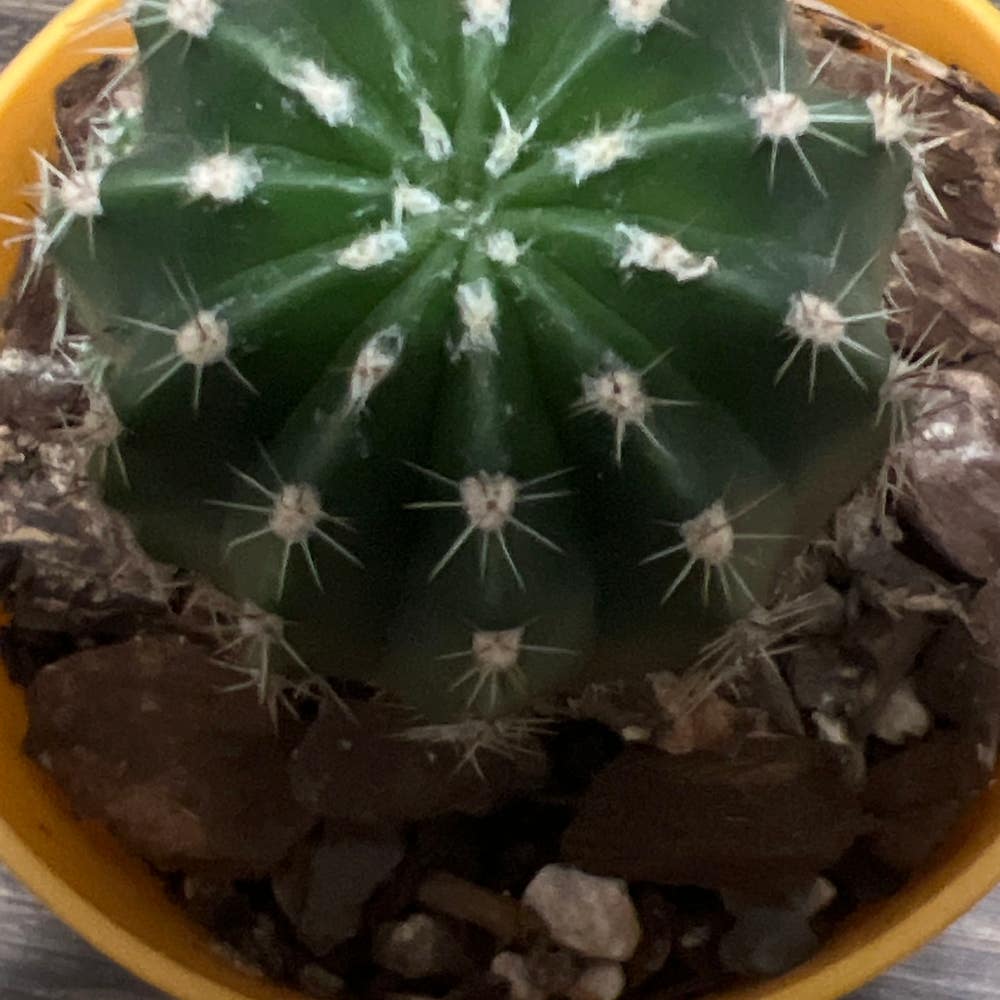
A happy cactus flaunts a healthy green complexion with robust growth, possibly even surprising you with flowers. It's sun-kissed and loving it.
But watch out for signs of too much sun. If your cactus starts sporting a crispy tan or brown spots, it's waving a white flag. Discoloration, such as yellowing or bleaching, is a distress signal. It's time to dial back the direct rays and maybe offer a parasol.
Positioning Your Cactus: The Window Direction Dance
🌞 North, South, East, or West: Where to Best?
In the quest for the perfect tan for your Rose Quartz Peanut Cactus, window direction is your compass. South-facing windows are the sunbathing hotspots, dishing out rays like a beach in July—ideal for these light-loving succulents. East-facing windows offer a milder, morning light, a kinder wake-up call for your cactus. West-facing windows come with a punch of afternoon sun, which can be a bit too intense—like a midday Mojave. North-facing windows? They're the cool kids' corner, offering a softer light that might leave your cactus yearning for more.
🌍 Hemisphere Hacks
Your hemisphere is the stage, and your cactus, the actor, adjusting its performance to the lighting. In the Northern Hemisphere, south-facing windows are the main stage, where the spotlight shines the brightest. Flip the script if you're in the Southern Hemisphere—north-facing is your cactus's VIP lounge. Seasons are the plot twists in this drama, with winter's weak rays demanding a front-row seat by the window, and summer's scorching soliloquies calling for a step back. Keep your cactus in the limelight, but don't let it get scorched.
Seasonal Sun Shifts: Adapting to the Cactus's Needs
🌞 Summer Soirees and Winter Retreats
Summer means your Rose Quartz Peanut Cactus should avoid the midday sun's harsh spotlight. Think of it as a celebrity dodging the paparazzi. Winter, on the other hand, is when your cactus craves every bit of sunlight, like a fan seeking an autograph. During these cold months, let it soak up the sun to make up for the shorter days.
💡 Indoor Illumination Tips
Indoor lighting for your cactus is like setting the stage for a rockstar. No direct sunlight can turn your cactus into a lackluster performer. If your home is more cave than conservatory, consider a grow light to keep your cactus in the limelight. Rotate your plant occasionally to ensure it gets even exposure, preventing it from leaning towards the light like a groupie at a concert railing.
When the Sun's Too Strong: Protecting Your Cactus
🌞 Crafting a Sun-Safe Sanctuary
Shade cloths are your cactus's best friend when the sun plays tough. Think of them as a parasol for your prickly pal, offering respite from the relentless rays. Positioning is key; place your cactus where it can enjoy a light and shadow waltz throughout the day, avoiding the harsh midday sun.
Reflective materials can also be a cactus savior, bouncing back those scorching beams. And don't forget, when winter whispers its chilly tales, a plant heat mat can keep your cactus cozy, preventing cold damage.
🕵️ Monitoring and Modifying Light Conditions
Keep a vigilant eye on your cactus. Sunburn shows up as unsightly brown patches—it's your cue to move your plant to a shadier spot. If it's looking pale, it's light-starved and needs a sunnier seat.
Windows can be tricky; they sometimes magnify sunlight, turning your home into a cactus frying pan. Use sheer curtains to soften the blow. And if sunlight is a scarce commodity in your abode, grow lights are the ace up your sleeve, offering a consistent glow without the burn.
Remember, your cactus isn't just a plant—it's a living barometer for sunlight. Adjust its position with the seasons, just as you would your own chair on a sun-drenched patio. Keep the light indirect, and your cactus will thank you with its vibrant, green vigor.
⚠️ Safety First
This content is for general information and may contain errors, omissions, or outdated details. It is not medical, veterinary advice, or an endorsement of therapeutic claims.
Always consult a qualified healthcare professional before using any plant as food, medicine, or supplement.
Never eat any plant (or feed one to pets) without confirming its identity with at least two trusted sources.
If you suspect poisoning, call Poison Control (800) 222-1222, the Pet Poison Helpline (800) 213-6680, or your local emergency service immediately.
Spotted an error? Please report it here.
Keep your Rose Quartz Peanut Cactus sun-kissed ☀️ without the burn by letting Greg remind you when to shift its spot for optimal light, no matter the season or hemisphere!