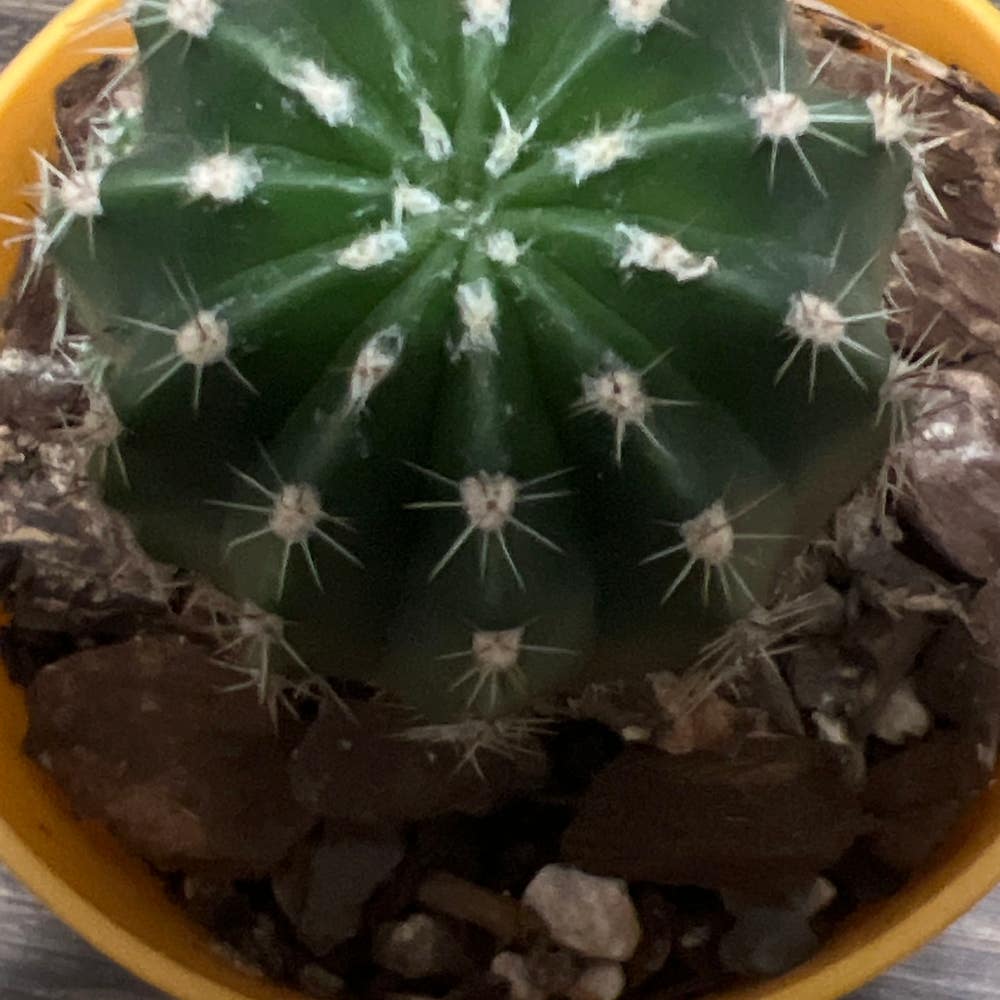
Why Are My Rose Quartz Peanut Cactus Leaves Droopy? 😔
Echinopsis 'Rose Quartz'
By the Greg Editorial Team
Feb 10, 2024•5 min read
This article was created with the help of AI so we can cover more plants for you. May contain errors. See one? Report it here.
Stop the droop 🌵 and learn the secrets to a perky Peanut Cactus with this essential care guide!
- Droopy leaves signal distress, like overwatering or lack of drainage.
- Adjust care for the season: water, light, and temperature matter.
- Regular check-ups prevent droopiness, monitor leaf texture and firmness.
Spotting the Trouble Signs
🚨 Telltale Symptoms of Droopiness
Visual cues are your first hint that your Rose Quartz Peanut Cactus might be in distress. Leaves that hang limply, resembling overcooked noodles, signal a problem. A touch test can further confirm droopiness; leaves should be firm, not flaccid.
When to Worry
Not all droopiness is a crisis. A slight sag in new growth is typical, but alarm bells should ring if you see persistent droopiness in mature leaves. Look for additional signs like discoloration or a mushy stem base—these are your cactus crying out for help.
The Usual Suspects: Identifying Causes
💦 Too Much Love: Overwatering Woes
Yellow leaves and a funky smell from the soil are the cactus equivalent of a white flag. If the base feels like a squishy peach, you've crossed the line from nurturing to waterboarding. The soil should be dry, not a wet sponge; your cactus isn't auditioning for a role in a swamp.
🏜️ Thirsty Friends: The Underwatering Equation
When the soil's as dry as a stand-up comedian's wit, it's a clear sign your cactus is staging a thirst strike. Leaves curling inwards like they're trying to roll away from the pot are a desperate signal for a drink. Don't wait for a cactus to raise a sign; wrinkled skin means it's time to hydrate.
🚰 Stuck in the Mud: Drainage Drama
A pot without drainage holes is like a jail cell for roots; they'll drown in their own waste. Choose a soil mix that's as gritty as a detective novel to avoid water from overstaying its welcome. This prevents root rot, which turns leaves into overcooked vegetables.
🌞 Feeling the Burn: Temperature and Light Troubles
If your cactus is wilting like it's been left in a sauna, it's too hot. Find a cooler spot, somewhere that whispers "Mediterranean breeze" rather than "Sahara blast." Sunburn shows up as brown or black spots, a sign to dial back the solar love. Use a sheer curtain to filter light and prevent your cactus from turning into a crispy critter.
First Aid for Your Cactus
💧 Dialing Back the Waterworks
Cacti aren't aquatic creatures, so ease up on the hydration. If the soil's damp, skip the watering can and let it dry out. When it's time to water, think moderation; aim for moist, not soggy. Consistency in your watering schedule is crucial, but be ready to adapt to your cactus's thirst levels.
Soil and Pot Perfection
🌱 The Right Mix
Your cactus craves a well-draining soil mix. Combine potting soil, sand, and perlite for a trifecta of drainage bliss. Root rot is a no-go, so if you spot brown, mushy roots during repotting, it's time for a trim.
🏺 Home Sweet Pot
Choose a pot that's just right—not too big, not too small. Terracotta pots are great for wicking away excess moisture. Ensure it has drainage holes to prevent water from overstaying its welcome.
Creating the Ideal Cactus Haven
🌵 Location, Location, Location
Place your cactus in a spot that gets plenty of light but not direct scorching sun. Temperature matters too; keep it in a warm, stable environment.
🌿 The Aftercare
Post-repotting, hold off on watering for a week to let the roots heal. Keep an eye on your cactus's response; if the leaves perk up, you're on the right track. If not, reassess your watering schedule and soil mix. Remember, your cactus's needs can shift with the seasons—stay observant and be ready to pivot.
Keeping Your Cactus Perky
🕵️ Monitoring and Maintenance
Regular check-ups are the cornerstone of cactus care. Like a health-conscious individual tracking their vitals, monitoring your cactus for changes in leaf texture, color, and firmness is essential. These subtle shifts can be the first whisperings of distress. By catching these early, you can adjust care and prevent the onset of droopiness.
Adjust your care routine with the precision of a Swiss watchmaker. Seasonal changes mean your cactus's needs will fluctuate. In the cooler months, water becomes a rare commodity, while the summer might call for a weekly hydration session. Keep the soil balanced—neither a desert nor a swamp.
🍃 Learning from the Leaves
Your cactus's leaves are like a mood ring, reflecting its well-being. If they're drooping, it's not just an aesthetic issue—it's a cry for help. Assess the lighting; too much sun can lead to a sizzle, too little to stagnation. Strike the right balance to ensure your cactus doesn't become a sunburnt slacker or a shade-seeking sloth.
Soil and pot choice are pivotal. Opt for a well-draining mix and a terra cotta pot with drainage holes to avoid waterlogged roots. A happy root system is the secret to perky leaves. Remember to wipe down the leaves gently every so often to keep them dust-free and breathing easy.
Fertilize judiciously—twice a year should do the trick. Overfeeding can be as detrimental as neglect. Prune with care to maintain shape and health. Vigilance in these areas will not only keep your cactus perky but also pave the way for vibrant growth.
⚠️ Safety First
This content is for general information and may contain errors, omissions, or outdated details. It is not medical, veterinary advice, or an endorsement of therapeutic claims.
Always consult a qualified healthcare professional before using any plant as food, medicine, or supplement.
Never eat any plant (or feed one to pets) without confirming its identity with at least two trusted sources.
If you suspect poisoning, call Poison Control (800) 222-1222, the Pet Poison Helpline (800) 213-6680, or your local emergency service immediately.
Spotted an error? Please report it here.
Turn your Rose Quartz Peanut Cactus from droopy to dynamic 🌵 with Greg's personalized care reminders, ensuring it thrives in your unique home environment.