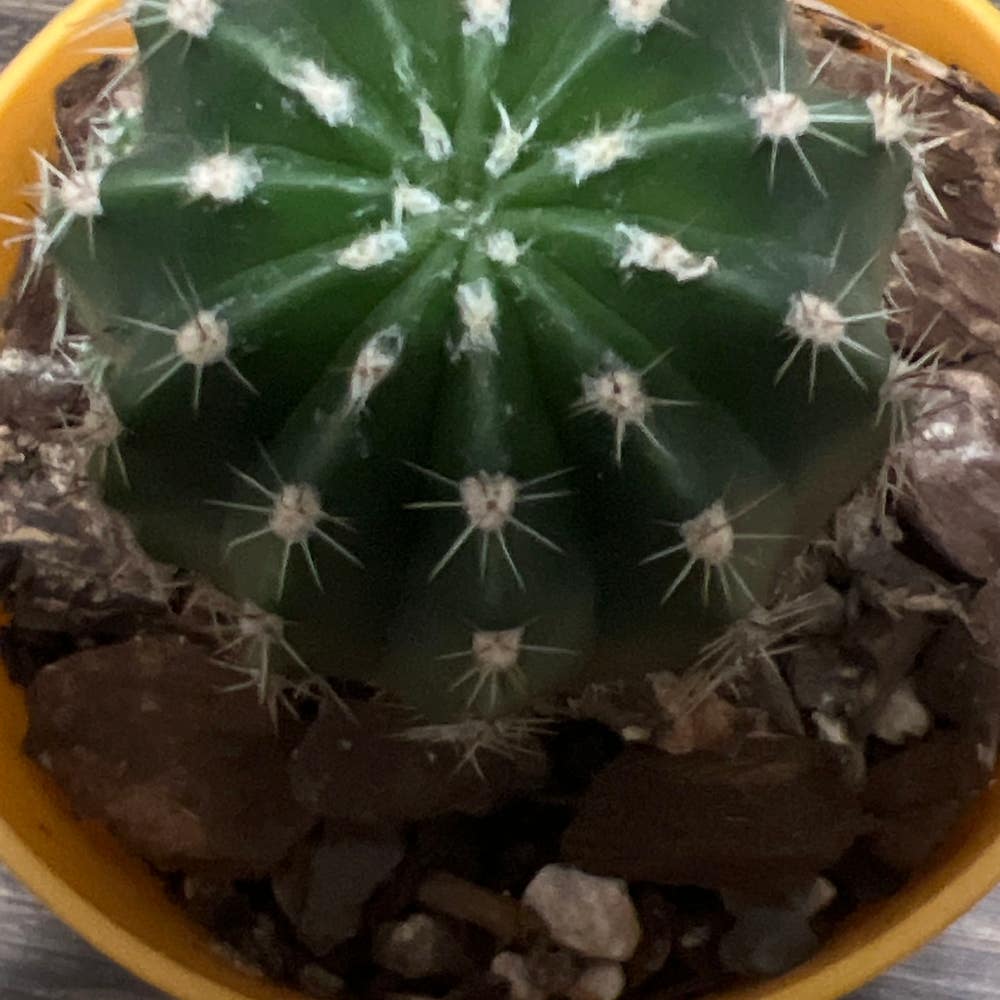
Black Spots on My Rose Quartz Peanut Cactus Leaves
Echinopsis 'Rose Quartz'
By the Greg Editorial Team
Feb 10, 2024•4 min read
This article was created with the help of AI so we can cover more plants for you. May contain errors. See one? Report it here.
Banish black spots 🕵️♂️ from your Rose Quartz Peanut Cactus and keep it thriving with expert tips! 🌵
- Fungal issues like Anthracnose cause black spots; use fungicides or natural remedies.
- Overwatering leads to spots, so water infrequently and use well-draining soil.
- Physical damage can mimic spots; handle cacti gently and let damage dry.
Spotting the Culprit: Identifying Black Spots on Your Cactus
🕵️♂️ The Look and Feel
Black spots on your Rose Quartz Peanut Cactus can be as subtle as a whisper or as blatant as a shout. They might appear as tiny specks or evolve into larger blotches that disrupt the cactus's appearance. A fungal spot's calling card is a powdery texture, while bacterial spots might have a slick, slimy feel. It's these tactile clues that can help you distinguish between the two.
🗺️ Location, Location, Location
When it comes to real estate on your cactus, black spots don't discriminate. They can pop up anywhere, but they have a fondness for the most sun-exposed areas. If your cactus could talk, it'd likely be asking for some shade. Don't forget to inspect the undersides of the leaves; spots can be sneaky and start their invasion where they're less likely to be noticed.
🌍 Environmental Factors
Too much sun can lead to a cactus sunburn, while excessive love in the form of water might also cause spotting. It's like walking a tightrope, trying to give just enough without going overboard. Natural markings are usually uniform, but if you see random spots that are spreading, it's time to switch from admiration to action mode.
📝 Initial Assessment
Upon spotting these intruders, assess their shape and elevation. Are they raised, sunken, or flat? This detail can help you figure out whether you're dealing with a fungal issue, a bacterial problem, or just some physical damage. It's like your cactus is waving a flag, signaling that all's not well in its world.
Fungal Foes: Tackling Black Spot Culprits
🍄 Common Fungal Villains
Anthracnose and Alternaria are the usual suspects when it comes to black spots on your Rose Quartz Peanut Cactus. Anthracnose presents as large, sunken spots, while Alternaria prefers smaller, dark lesions often encircled by a yellowish halo. These fungi love moisture and will exploit any overwatering or poor air circulation.
🛡️ Battling the Fungus Among Us
When choosing your fungicide weapons, consider copper-based options for their efficacy. Apply preventatively, and with the precision of a sniper, ensuring you cover every part of the plant. Neem oil and a baking soda mixture (1 tablespoon per gallon of water with a dash of soap) can also be formidable allies. Apply these weekly, and don't forget to sterilize your tools before and after pruning to prevent the spread of spores.
For those preferring natural remedies, consider corn meal as a soil amendment. It not only adds nutrients but also promotes the growth of beneficial fungi that compete with the black spot culprits. Remember, the key is to be proactive; early detection and treatment can prevent a full-blown fungal takeover.
Water Woes: When Too Much Love Drowns Your Cactus
💧 Signs of Overwatering
Yellow leaves and a funky soil smell are the cactus's distress flares. If the base feels like a squishy peach, you've entered the overwatering danger zone. The soil should be damp, not drenched—think cocktail, not ocean. A pot heavier than your last online shopping spree is a sure sign of excess water.
💦 Dry Tips for a Wet Problem
💧 Watering Wisdom: Finding the Balance
Water deeply but infrequently. Let the soil dry out between waterings—your cactus craves a desert vibe, not a tropical one. Adjust your schedule with the seasons; your cactus drinks more in the heat and less when it's cooler.
🌵 Soil and Drainage: Laying the Groundwork for Dry Feet
Ensure your potting mix is airy and your pot has drainage holes. Add perlite or sand to keep the soil light, allowing roots to breathe and water to drain efficiently. If your cactus is swimming in moisture, it's time for an emergency repot into fresh, well-draining soil.
The Bruise Cruise: Physical Damage and Its Mark
🚑 Spotting Signs of Trauma
Physical trauma on your Rose Quartz Peanut Cactus can manifest as black spots resembling bruises on an apple. These spots are typically stationary and don't spread like those caused by pathogens. Sunburn may also be a culprit, with spots appearing bleached or crispy, especially on the sun-facing side.
🌵 Gentle Care for Tough Plants
To prevent physical damage, handle your cactus with the same care you'd use for a fragile ornament. If damage occurs, clean cuts are preferable to jagged ones. Allow the cactus to dry and form a callous before watering again. Protect your cactus from direct sunlight to prevent sunburn and ensure it's not suffering from too much love in the form of pokes or tight squeezes during repotting.
⚠️ Safety First
This content is for general information and may contain errors, omissions, or outdated details. It is not medical, veterinary advice, or an endorsement of therapeutic claims.
Always consult a qualified healthcare professional before using any plant as food, medicine, or supplement.
Never eat any plant (or feed one to pets) without confirming its identity with at least two trusted sources.
If you suspect poisoning, call Poison Control (800) 222-1222, the Pet Poison Helpline (800) 213-6680, or your local emergency service immediately.
Spotted an error? Please report it here.
Keep your cactus spot-free 🌵 with Greg's custom care plans, ensuring the right balance of sun and water to prevent those black spots.