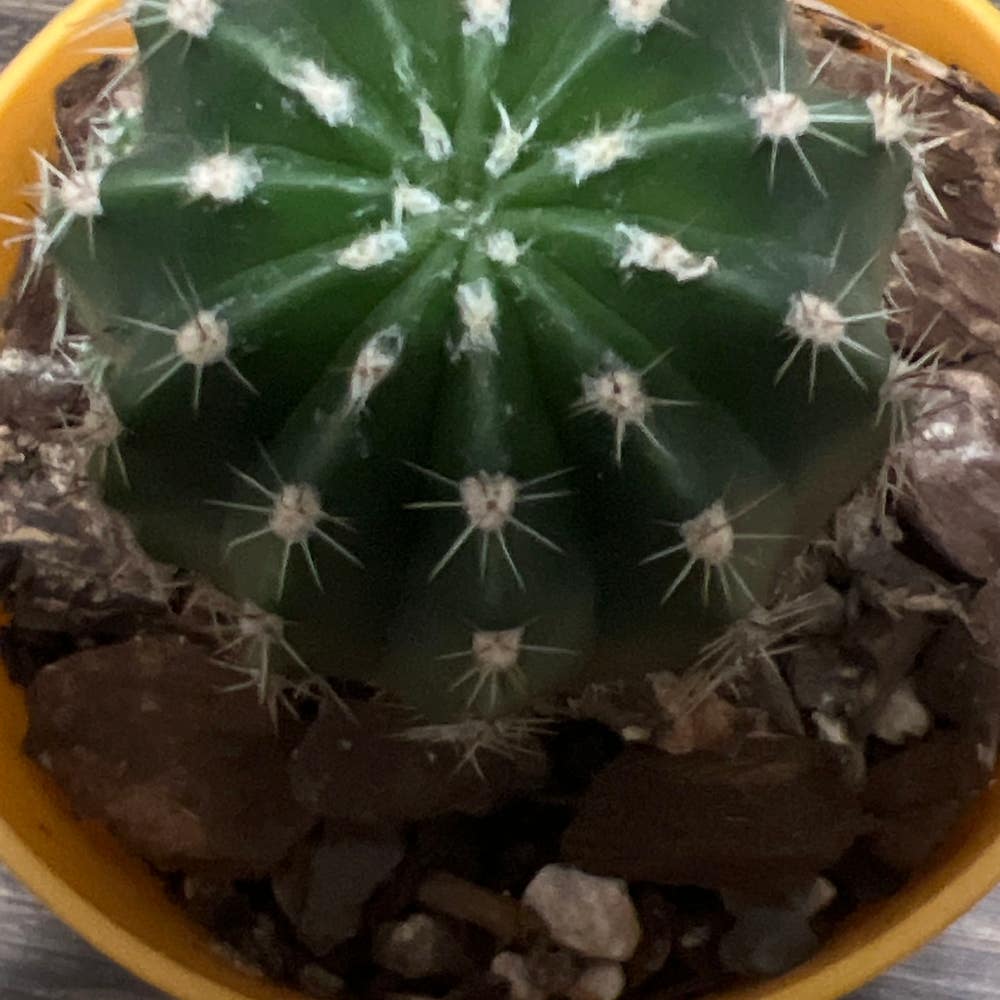
Diagnosing Rose Quartz Peanut Cactus Root Rot
Echinopsis 'Rose Quartz'
By the Greg Editorial Team
Feb 10, 2024•3 min read
This article was created with the help of AI so we can cover more plants for you. May contain errors. See one? Report it here.
Rescue your cactus 🌵 from root rot's clutches with life-saving care tips!
- Discoloration and odor signal root rot; roots should be firm and white.
- Overwatering and poor drainage are prime culprits; adjust watering and pot choice.
- Root pruning and soil swap can save your cactus; consider fungicides for severe cases.
Spotting the Red Flags: Symptoms of Root Rot
👀 Visual Clues
Discoloration is a telltale sign of root rot in your Rose Quartz Peanut Cactus. If you spot roots that have turned from a healthy white to a dark brown or black, it's time to take action. Above ground, yellowing or wilting is the cactus waving a distress flag, not trying to get a tan.
👃 Sniff Test
Never underestimate the power of your nose. A foul odor from the soil is like a smoke alarm for root health. If it smells like something died in your plant pot, root rot is likely the culprit.
🕵️ Root Inspection
To confirm your suspicions, it's time for a gentle excavation. Healthy roots should be firm and white, not mushy or brittle. If they feel like overcooked pasta, you're dealing with decay. Remember, gentleness is key during inspection to avoid further damage.
Getting to the Root of the Problem: Causes of Root Rot
💧 Water Woes
Overwatering is like giving your cactus an endless rainstorm with no shelter. Roots drown, unable to gulp the oxygen they desperately need. It's a classic blunder, the equivalent of feeding a goldfish until it floats. Less is often more when it comes to hydration.
🌱 Soil and Drainage Drama
Soil type and pot drainage are the stage for a tragedy or triumph in your cactus's life. If the soil clings to water like a needy friend, roots can't escape the damp embrace. And if the pot's design is flawed, with nowhere for excess water to flee, you're setting the scene for a root rot melodrama.
First Aid for Roots: Immediate Actions to Alleviate Root Rot
🌵 The Delicate Art of Root Pruning
When root rot attacks your Rose Quartz Peanut Cactus, it's time for surgery. Here's how to wield your shears:
- Gently remove the cactus from its pot, brushing away the soil to expose the roots.
- Identify the healthy roots (firm and white) and the rotted ones (mushy and brown).
- With sterilized scissors, snip the damaged roots, leaving the healthy ones untouched.
- Sterilize your tools again post-op to prevent spreading pathogens.
🌱 Soil Swap
Next, give your cactus a fresh start with a soil swap:
- Choose a well-draining cactus mix that's like a mini rock concert for roots—lots of air and space.
- Repot the cactus, ensuring the remaining roots are comfortably nestled in their new gritty abode.
- Resist the urge to water immediately—let the roots breathe and recover from the trauma.
🦠 Fungicide to the Rescue
If the rot was extensive, a fungicide might be your ace in the hole:
- Select a fungicide specifically designed for root rot, and follow the label religiously.
- Apply to the soil, not the plant, to target the roots directly.
- Don't overdo it—more fungicide isn't better, it's just more.
Remember, these steps aren't just about saving your plant; they're about setting the stage for a comeback story worthy of a standing ovation.
Long-Term Care: Preventing Root Rot in the Future
💧 Watering Wisdom
Fine-tuning your watering routine is critical for the cactus's longevity. Wait for the soil to dry out a few inches deep before re-watering. This promotes healthy root growth and wards off rot.
🌱 Pot and Soil Perfection
Selecting the right pot is a game-changer. Terracotta or clay pots are ideal, thanks to their moisture-wicking properties. Ensure they have drainage holes to prevent water from pooling.
For soil, avoid garden-variety dirt. A well-draining mix with coarse sand, perlite, and compost is your cactus's best friend. It keeps roots dry and happy, far from the dangers of rot.
⚠️ Safety First
This content is for general information and may contain errors, omissions, or outdated details. It is not medical, veterinary advice, or an endorsement of therapeutic claims.
Always consult a qualified healthcare professional before using any plant as food, medicine, or supplement.
Never eat any plant (or feed one to pets) without confirming its identity with at least two trusted sources.
If you suspect poisoning, call Poison Control (800) 222-1222, the Pet Poison Helpline (800) 213-6680, or your local emergency service immediately.
Spotted an error? Please report it here.
Revive your cactus 🌵 and prevent future woes with Greg's tailored watering schedules that ensure just the right amount of hydration for your prickly friends.