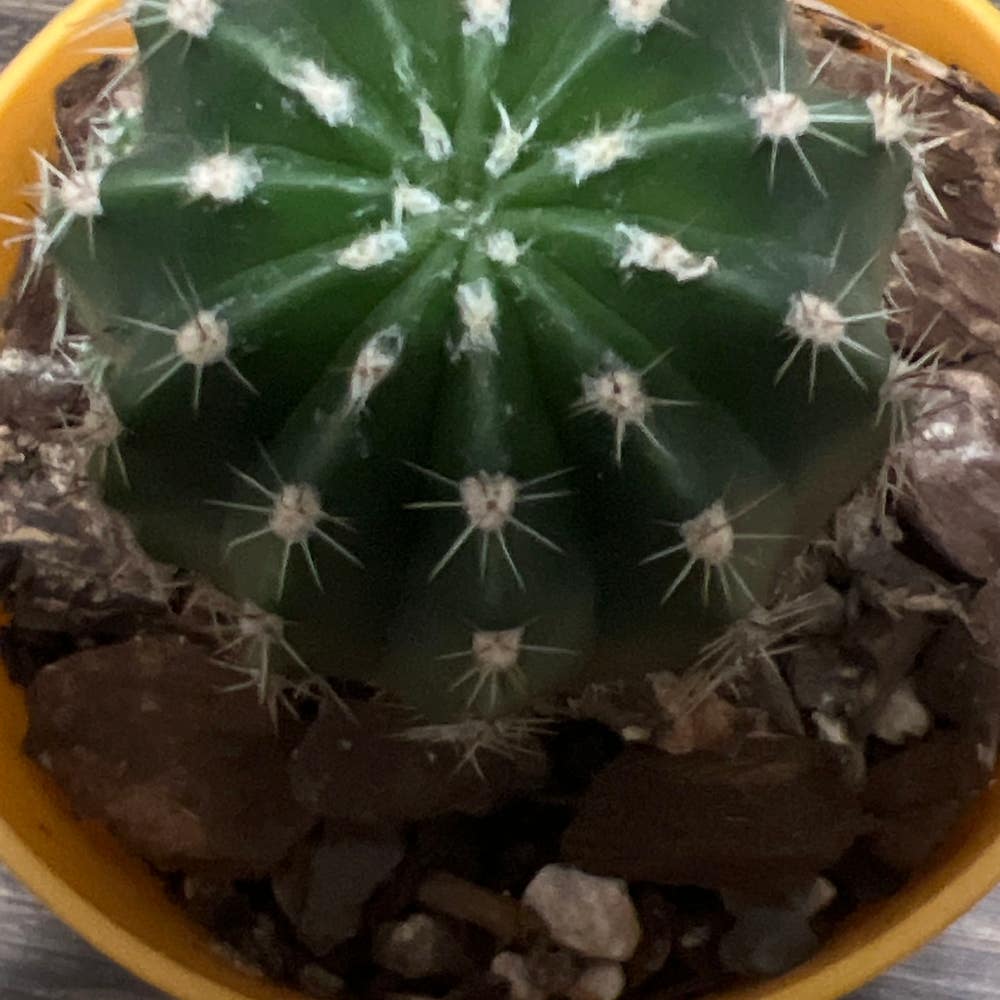
How Should Rose Quartz Peanut Cactus Be Cut Back?
Echinopsis 'Rose Quartz'
By the Greg Editorial Team
Feb 10, 2024•4 min read
This article was created with the help of AI so we can cover more plants for you. May contain errors. See one? Report it here.
Shape a thriving Peanut Cactus with strategic spring pruning—your guide to perfect cuts. 🌵✂️
- Spring pruning aligns with the Rose Quartz Peanut Cactus's growth cycle.
- 🌵 Use sharp, sterilized shears for healthy cuts and disease prevention.
- Trim above a node for branching and balance the cactus's natural form.
Timing Your Pruning Perfectly
🌸 Seasonal Smarts: When to Get Snipping
Pruning your Rose Quartz Peanut Cactus isn't a spur-of-the-moment decision. Spring is the sweet spot, aligning with the cactus's natural growth cycle. This timing allows for rapid healing and vigorous regrowth, setting the stage for a lush, healthy plant.
🌱 Growth and Flowering: Syncing Your Cuts with the Cactus's Life Cycle
To avoid a pruning faux pas, observe your cactus closely. Early spring, just before the growth period kicks in, is ideal. It's like catching your cactus on the cusp of a growth spurt, eager to fill out after you've trimmed away the excess.
Gear Up: Choosing Your Pruning Tools
🔪 The Right Cut: Selecting Pruning Shears
Sharpness is non-negotiable when it comes to pruning shears. Dull blades mangle stems, inviting disease. Look for shears with high carbon steel blades—they stay sharp longer and make cleaner cuts. Comfort matters too; a grip that feels like an extension of your hand reduces fatigue during your pruning session.
🧼 Keeping It Clean: Sterilization and Plant Safety
Before you make the first snip, sterilize your shears. Wipe them down with rubbing alcohol or a diluted bleach solution. It's like the hand-washing of gardening—basic, yet it's your best defense against spreading plant diseases. After pruning, give your tools another clean sweep to keep them in pristine condition for the next round of plant care.
The Art of Pruning Your Peanut Cactus
✂️ Strategic Snips: Where to Cut for Healthy Growth
Pruning your Rose Quartz Peanut Cactus isn't just about aesthetics; it's a vital part of its health regime. Always cut above a node to encourage branching. This sends a clear signal to your cactus: "Grow, baby, grow!" Aim for cuts that allow light and air to penetrate the plant's core, fostering not just growth but also flowering potential.
🌿 Shape It Up: Encouraging a Pleasing Plant Form
When it comes to shaping, think of your cactus as a living sculpture. Balance is key; you're not creating a topiary. Trim branches to maintain stability and prevent a top-heavy disaster. Your goal is to enhance the cactus's natural form, not to force it into an unnatural shape.
🌵 Handling with Care: Techniques for Delicate Cacti
Rose Quartz Peanut Cactus may be hardy, but they're also delicate. Handle with care when pruning. Use sharp, sterilized shears to make clean cuts—this minimizes stress and the risk of infection. And remember, wear gloves; cactus spines are unforgiving, and you're not trying to win a battle of wills with a plant.
Post-Pruning Care
💧 Watering Wisely After Pruning
After pruning your Rose Quartz Peanut Cactus, watering becomes a critical step. Imagine you're giving your plant a comforting pat on the back; it needs reassurance in the form of moisture, but not a deluge. Wait until the soil is dry to the touch before watering again. This approach helps prevent root rot and ensures your cactus doesn't sit in soggy despair.
🕵️ Monitoring for Regrowth and Health
Keep a vigilant eye on your cactus like a hawk watching its nest. New growth is the green flag you're looking for, signaling a successful prune. If your cactus seems more drama queen than queen of the desert, showing signs of distress, don't freak out. Adjust your care routine, give it some space, and watch for a comeback. Remember, patience is key; your cactus isn't sprinting to recovery, it's on a leisurely stroll.
Troubleshooting: Common Pruning Pitfalls
🌱 Leggy Growth: When to Intervene
Leggy growth in your Rose Quartz Peanut Cactus screams for more light. If you notice elongated stems, it's time for action. Trim back to just above a node or joint to encourage bushier growth. This is best done during the growing season, ideally in spring or early summer, to allow for swift recovery.
🩹 Dealing with Damage: Pruning as a Rescue Mission
When your cactus faces damage from disease or pests, immediate pruning is your go-to move. Remove affected areas to prevent spread, and always use clean, sharp tools to make your cuts. Think of it as surgery—precision is key. After removing the damaged parts, focus on providing optimal care to support recovery. Keep an eye out for new growth as a sign of your plant's resilience.
⚠️ Safety First
This content is for general information and may contain errors, omissions, or outdated details. It is not medical, veterinary advice, or an endorsement of therapeutic claims.
Always consult a qualified healthcare professional before using any plant as food, medicine, or supplement.
Never eat any plant (or feed one to pets) without confirming its identity with at least two trusted sources.
If you suspect poisoning, call Poison Control (800) 222-1222, the Pet Poison Helpline (800) 213-6680, or your local emergency service immediately.
Spotted an error? Please report it here.
Trim your Rose Quartz Peanut Cactus into its best shape 🌵 with Greg's personalized care reminders, ensuring a flourishing and balanced growth!