🌡 What Temperature Does My Rose Quartz Peanut Cactus Need?
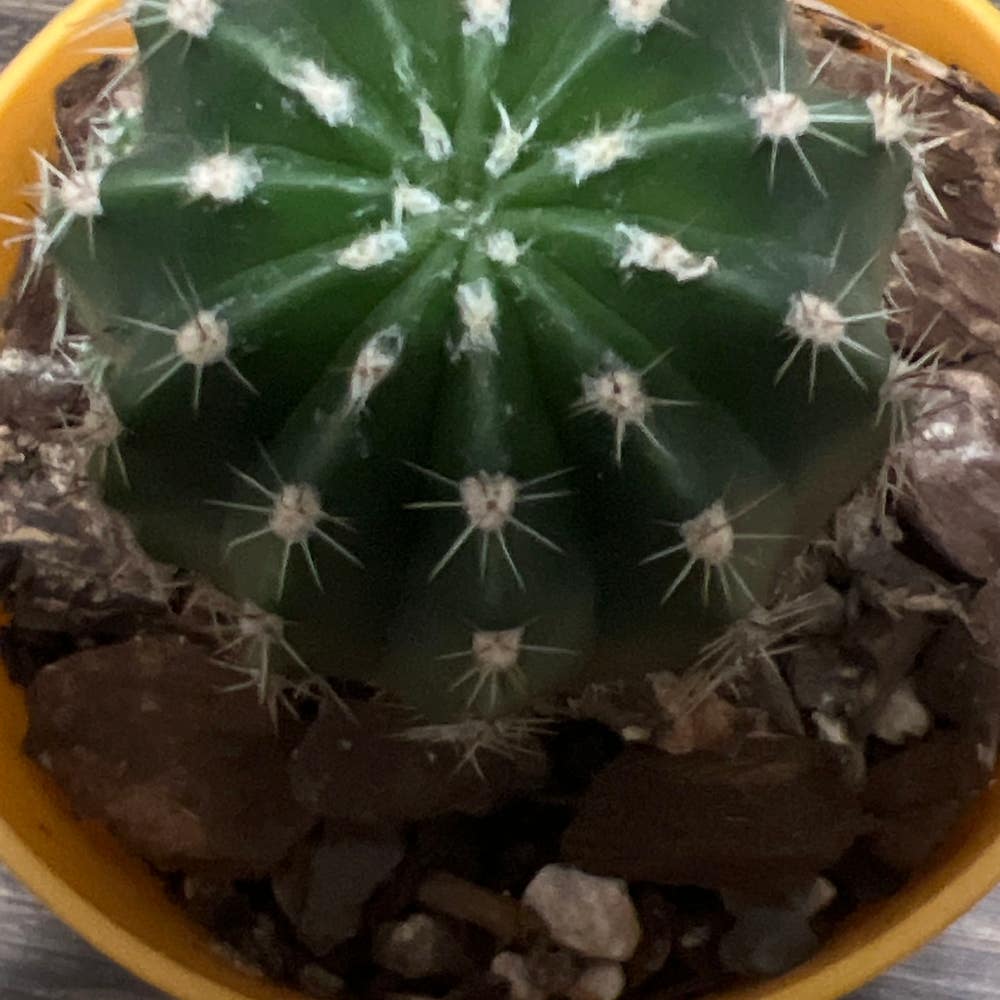
Echinopsis 'Rose Quartz'
By the Greg Editorial Team
Feb 10, 2024•5 min read
This article was created with the help of AI so we can cover more plants for you. May contain errors. See one? Report it here.
Discover the secret to a flourishing Rose Quartz Peanut Cactus 🌵—perfect temps for perpetual blooms! 🌺
- Ideal range 70°F-80°F (21°C-27°C) for Rose Quartz Peanut Cactus growth and flowering.
- 🌡️ Avoid sudden temperature swings to prevent cactus stress.
- Monitor and adjust environment seasonally for cactus well-being.
Dialing in the Perfect Temperature
🌵 The Goldilocks Zone for Rose Quartz Peanut Cactus
In the world of Rose Quartz Peanut Cactus, temperature is a make-or-break factor. These cacti demand a Goldilocks Zone: not too hot, not too cold, but just right. Aim to maintain a cozy climate between 70°F and 80°F (21°C to 27°C) for optimal growth and flowering. It's a sweet spot that encourages them to strut their stuff, blooming with gusto.
🏡 Keeping the Heat Just Right
Indoors, the south or west-facing window is your cactus's best friend, offering the right amount of sun without the scorch. Outdoors, they need a spot that's like a VIP lounge at a music festival—exclusive access to sunlight but with some shade to avoid the afternoon sun's harsh mosh pit.
Greenhouses are the cactus equivalent of a climate-controlled penthouse. If you're playing the role of Mother Nature, remember to keep an eye on the thermostat. And don't forget, when winter rolls around, these prickly pals might need a sweater—think insulating the pot or using a heat mat to ward off the chill.
Remember, consistency is your mantra. Sudden temperature swings are the equivalent of a cold shower after a sauna—unpleasant and stressful. Keep drafts at bay and avoid placing your cactus near radiators or air conditioners. It's all about creating a stable, cactus-friendly environment that doesn't swing from the Sahara to the Arctic.
Spotting the Signs of Temperature Trouble
🌵 Visual SOS: What Your Cactus is Telling You
Your Rose Quartz Peanut Cactus isn't shy about showing distress. Discoloration is a glaring red flag; a shift from vibrant green to a pale, sickly hue screams "I'm too cold!" Conversely, a sunburnt appearance with brown, crispy edges is the plant's way of panting, "It's too darn hot!" Wilting is another telltale sign; it's the cactus equivalent of throwing in the towel on a scorching day.
🌡️ Beyond the Surface: Internal Signs of Distress
But wait, there's more than meets the eye. Internal signs of temperature stress can be subtle. If your cactus is as plump as a water balloon, it might be waterlogged from the cold. On the flip side, if it's shriveling up, it's not just trying to slim down—it's likely too cold. A cactus that's firm to the touch is a happy cactus; anything else, and you've got some temperature tweaking to do.
Steering Clear of the Temperature Danger Zone
🌬️ Common Missteps Leading to Chills and Fevers
Drafts are the nemesis of the Rose Quartz Peanut Cactus. They can sneak in through a slightly ajar window or an unnoticed gap beneath a door. Placement is key; keep your cactus away from these invisible streams of cold air. Similarly, avoid placing your plant too close to heat sources, which can cause the opposite problem: a feverish state of dehydration and stress.
🌡️ The Thermostat Tango: Balancing Temperatures Year-Round
Seasonal shifts demand a dance with the thermostat to keep your cactus in its comfort zone. In winter, it might need a cozy corner away from the frosty glass of a window. Come summer, it's about dodging that intense midday sun. Adjustments are non-negotiable; think of it as a quarterly tune-up to keep your cactus thriving.
When the Heat is On: Protecting Your Cactus
🌡️ Quick Fixes for Temperature Fluctuations
Immediate action is crucial when your Rose Quartz Peanut Cactus faces temperature extremes. If it's hotter than your social media feed during a meme explosion, shade is your best friend. Indoors, a sheer curtain can work wonders. Outdoors, consider a temporary canopy or relocating to a shadier spot.
For those chilly nights, think of insulation as your cactus's snuggly blanket. Move it away from drafty windows or wrap it up with frost cloth. And if you've been overzealous with the AC, a quick relocation can prevent your cactus from getting the cold shoulder.
🌡️ Long-Term Strategies for Temperature Stability
Creating a stable environment is like setting up the perfect backstage for a rockstar—everything needs to be just right. Choose a spot where the temperature is as consistent as your favorite sitcom reruns—not too close to heaters or cold drafts, and definitely not in the path of scorching afternoon rays.
Consider investing in a thermometer to keep a close eye on the climate. It's easier to prevent a crisis than to manage one. And remember, watering rhythms should sync up with the temperature beat—more hydration during heat waves, less when it's cool.
Insulation isn't just for winter. Proper window treatments can keep your cactus from experiencing temperature whiplash as seasons change. And if you're serious about cactus care, think about a heating mat for those colder months—it's like a warm hug for your plant's roots.
Lastly, monitor your cactus like it's the season finale cliffhanger of your favorite show. Adjust its environment as needed because, let's face it, a happy cactus makes for a happy plant parent.
⚠️ Safety First
This content is for general information and may contain errors, omissions, or outdated details. It is not medical, veterinary advice, or an endorsement of therapeutic claims.
Always consult a qualified healthcare professional before using any plant as food, medicine, or supplement.
Never eat any plant (or feed one to pets) without confirming its identity with at least two trusted sources.
If you suspect poisoning, call Poison Control (800) 222-1222, the Pet Poison Helpline (800) 213-6680, or your local emergency service immediately.
Spotted an error? Please report it here.
Ensure your Rose Quartz Peanut Cactus thrives in the perfect climate by letting Greg adjust 🌡️ your care plan to seasonal shifts and your unique indoor environment.