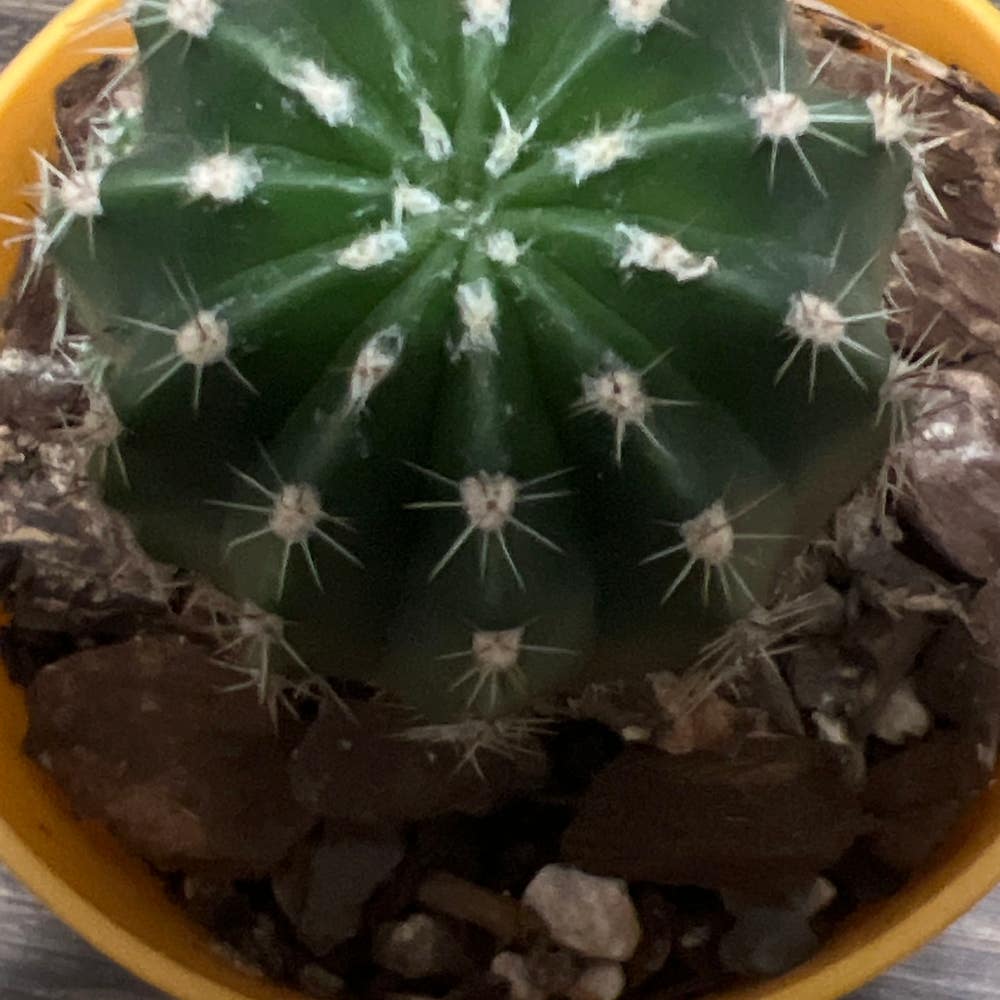
Why Is My Rose Quartz Peanut Cactus Dropping Leaves? 🍂
Echinopsis 'Rose Quartz'
By the Greg Editorial Team
Feb 10, 2024•5 min read
This article was created with the help of AI so we can cover more plants for you. May contain errors. See one? Report it here.
Prevent the leaf-drop heartbreak 💔 of your Rose Quartz Peanut Cactus with these essential care tips. 🌵
- 🌵 Overwatering and underwatering can both cause leaf drop; balance is key.
- 🌞💧 Proper light, temperature, and airflow are essential for cactus health.
- 🌱 Well-draining soil and pot prevent root rot and create a cactus haven.
Spotting the Signs: Is Your Cactus Unhappy?
Recognizing the symptoms of leaf dropping in your Rose Quartz Peanut Cactus is crucial. Discoloration, wilting, or a sudden flurry of falling leaves are distress signals. Consistent leaf drop could indicate an underlying issue.
🚨 Visual Cues: Recognizing the Symptoms of Leaf Dropping
Look for leaves that are more shriveled than a neglected raisin. A healthy cactus may occasionally drop a leaf, but a cascade of leaves is a red flag. If your cactus's leaves are falling off faster than a scammer's promises, it's time to intervene.
⏰ Timing and Patterns: When Leaf Dropping Is Normal and When It's a Cry for Help
Natural shedding is like a slow dance, while problematic leaf dropping is a full-blown tango of terror. If the leaves drop en masse or the plant's posture is more slouched than a teenager on a sofa, your cactus needs help. Keep track of patterns: leaves that perk up at night but wilt by day are sending you a clear message.
When Water Becomes the Enemy: Overwatering Woes
🌊 The Soggy Truth: How Too Much Love Leads to Root Rot
Swollen stems and mushy roots are your cactus's way of saying, "Help!" Overwatering is like throwing a pool party for a cactus that can't swim. If the soil smells funky and the leaves turn yellow, it's a clear sign of distress. Root rot is the silent killer, often going unnoticed until it's almost too late.
💦 Drying Out: Steps to Rescue an Overwatered Cactus
To save your cactus from a watery grave, cut back on the H2O immediately. Let the soil dry out completely between watering sessions—think of it as a cactus detox. If the soil is more swamp than desert, it's time to repot with fresh, dry soil. When you do water, aim at the base to avoid wetting the foliage, which can lead to further issues.
Thirsty for Attention: The Underwatering Issue
🌵 Wilted and Weak: How Neglect Can Stress Your Cactus Out
Underwatering can leave your Rose Quartz Peanut Cactus looking deflated and stressed. If the leaves are more wrinkled than a linen shirt at a summer wedding, it's a sign they're not getting enough H2O. The soil will feel like a dry debate, devoid of moisture, and the plant's overall vibe will be one of sheer neglect.
💧 Quenching the Thirst: Finding the Sweet Spot for Watering Frequency
Finding the watering sweet spot is like hitting the bullseye in a game of darts—it requires precision. Wait for the top inch of soil to dry out before offering a drink. If the soil is as dry as a stand-up comedian's wit, it's time to water. Use a moisture meter or the finger test to avoid guesswork. Remember, your cactus prefers a steady relationship with water, not a love-hate rollercoaster.
The Ground Beneath Its Feet: Soil and Drainage Drama
🏞️ Mud Pies vs. Sandy Loam
Your Rose Quartz Peanut Cactus has soil preferences. Think of it as a culinary choice—some like it hot, but your cactus likes it dry. Mud-like soil is a no-go; it retains water like a sponge, which is bad news for roots that crave a desert vibe. Sandy loam, on the other hand, is the cactus equivalent of a five-star hotel—luxurious drainage and room to breathe.
🚰 Drainage Do's and Don'ts
Drainage holes are your cactus's lifeline. They're as essential as oxygen masks on a plane. Without them, you're setting up your plant for a Titanic-esque disaster. Blockages in these holes are like traffic jams during an evacuation—avoid at all costs. And remember, a pot without holes is a coffin for your cactus's roots.
🚰 Ensuring Your Cactus Isn't Swimming
To prevent your cactus from taking an unwanted swim, mix your soil like you're a DJ at a desert rave—equal parts potting soil, sand, and perlite or pumice. This blend keeps things airy, like a good dance floor. Terra cotta pots? They're the leather jackets of the plant world—cool, classic, and breathable.
🚰 Quick Fixes for the Overwatered
If you've overdone the hydration, let the soil dry out like a drought-stricken riverbed. Then, reassess your watering habits—less is more. Enhance soil drainage as if you're giving your cactus a life raft. And if you're feeling adventurous, create your own soil mix. A dash of coarse sand, a sprinkle of fine pumice, and you're on your way to becoming a cactus soil sommelier.
Creating a Cactus Haven: Environmental Factors
🌞 Sunbathing and Shade: Getting the Light Just Right
Bright, indirect sunlight is the mantra for a thriving Rose Quartz Peanut Cactus. Too much direct sun can turn your cactus into a crispy critter, while too little leaves it reaching for the light like a lost soul. A sheer curtain or a strategically placed shade cloth can be your best friend here, ensuring your cactus gets its sunbathing time without the risk of sunburn.
🌡️ Temperature Tantrums: Keeping Your Cactus Cozy but Not Too Hot
Your cactus isn't a fan of temperature drama. Aim for a consistent environment—around 18°C (65°F) hits the sweet spot. Avoid placing your cactus near heat sources or drafty windows, as these can cause temperature swings that make your cactus throw a fit. Good airflow is crucial, too; it's like a breath of fresh air for your cactus, keeping pests at bay and helping it breathe easy. Remember, a stable temperature is as comforting to your cactus as a favorite blanket is to you on a chilly night.
⚠️ Safety First
This content is for general information and may contain errors, omissions, or outdated details. It is not medical, veterinary advice, or an endorsement of therapeutic claims.
Always consult a qualified healthcare professional before using any plant as food, medicine, or supplement.
Never eat any plant (or feed one to pets) without confirming its identity with at least two trusted sources.
If you suspect poisoning, call Poison Control (800) 222-1222, the Pet Poison Helpline (800) 213-6680, or your local emergency service immediately.
Spotted an error? Please report it here.
Prevent your Rose Quartz Peanut Cactus from dropping leaves by finding the perfect watering balance with Greg's custom care plan 🌵.