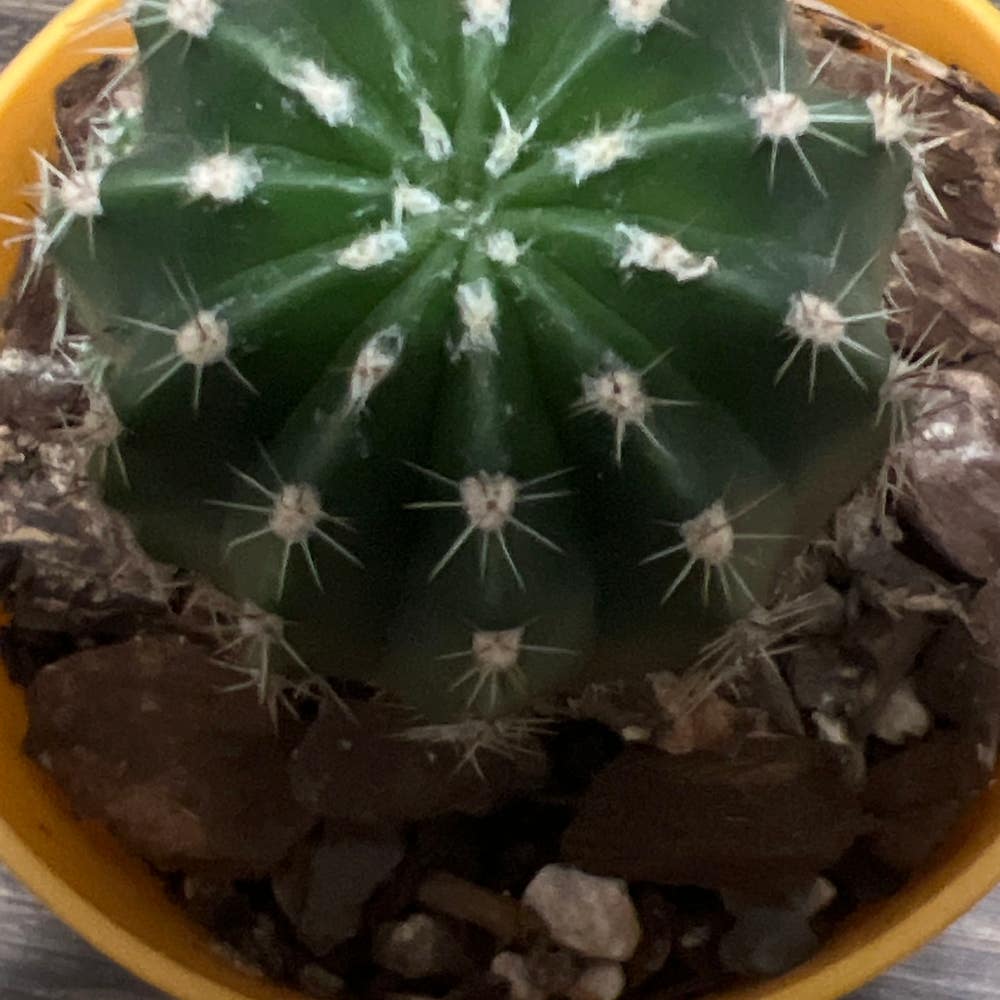
Common Rose Quartz Peanut Cactus Problems
Echinopsis 'Rose Quartz'
By the Greg Editorial Team
Feb 10, 2024•4 min read
This article was created with the help of AI so we can cover more plants for you. May contain errors. See one? Report it here.
Nurture your Rose Quartz Peanut Cactus 🌵 back to health with these lifesaving care secrets!
- 🌵 Over-watering? Look for mushy stems and foul smell; dry out soil.
- 🌞 Bright, indirect light prevents leaf scorch; avoid temperature swings.
- 🐜 Pests and mold? Use neem oil and increase airflow to protect your cactus.
When Water Works Against You
💦 Over-watering Woes
Mushy stems and a stinky base are distress signals from your Rose Quartz Peanut Cactus. It's practically swimming in excess water, and that's a no-go for these desert dwellers.
Spotting the Signs
- Squishy texture: Your cactus should never feel like a ripe tomato.
- Foul odor: A healthy cactus doesn't smell like last week's gym socks.
Drying Out
- Cease watering: Let the soil become as dry as a stand-up comedian's wit.
- Repot if necessary: Fresh, dry soil can be a lifeboat for your drowning cactus.
- Sterilize and snip: Remove rotted parts with the precision of a surgeon using sterilized tools.
🌵 The Thirsty Cactus Conundrum
Shriveled stems and browning tips are your cactus's version of a parched throat. It's begging for a drink, but not too much—cacti don't binge.
Signs of a Parched Plant
- Wrinkled appearance: Think of it as your cactus's way of furrowing its brow.
- Browning: It's not trying to get a tan; it's seriously thirsty.
Quenching the Thirst
- Water deeply: Soak the soil until it runs out the drainage holes, then let it dry out completely.
- Check the soil: Use your finger as a moisture meter; water when the top inch feels dry.
- Adjust with the seasons: Your cactus's thirst changes with the weather, so stay alert.
Remember, good drainage is as essential as the water itself. Without it, you're setting the stage for a soggy tragedy.
Light and Temperature: The Balancing Act
🌞 Too Much Sun, Too Little Shade
Leaf scorch is your cactus crying out for help. It's the plant equivalent of a bad sunburn, with brown or bleached patches on the stems. If your cactus looks like it's been in a desert without an umbrella, it's time to act.
Shifting shades is the game plan here. Move your cactus to a spot with bright, but indirect sunlight. Think of it as putting your plant in the shade of a palm tree, without moving it to the dark side of the moon.
❄️ Chilly Drafts and Toasty Troubles
Temperature swings are like a roller coaster ride for your cactus—thrilling but potentially dangerous. Weather woes can cause your cactus to stress out, leading to a lackluster appearance.
Consistency is your cactus's best friend. Keep it away from drafty windows and vents to maintain a stable environment. It's about creating a climate that's as predictable as your morning coffee routine.
The Unseen Enemies: Pests and Pathogens
🐜 Uninvited Guests: Tackling Pests
🕷️ Bug busters: Identifying and evicting common pests
Pests are sneaky critters that can wreak havoc on your Rose Quartz Peanut Cactus. Spider mites leave behind telltale webs, while mealybugs appear as white fluff. Scale insects might look like harmless bumps but are anything but. If you spot these signs, it's time for action.
To show these pests the exit, neem oil is your first line of defense. It's like a polite but firm bouncer. For a full-scale invasion, you might need to call in the heavy artillery with chemical pesticides. But remember, prevention beats cure every time. Keep your plant's environment clean and monitor regularly to catch these critters before they settle in.
🚫 Prevention is key: Keeping critiles at bay
Preventing pests is about maintaining a clean environment and being vigilant. Regular inspections are like stakeouts, catching problems before they escalate. Introduce beneficial insects like predatory mites or parasitic nematodes if you're going green. These little allies are like unpaid interns, tirelessly keeping your plant pest-free. And don't forget, rotating your pest control methods keeps the enemy guessing.
🍄 Fungus Among Us: Mold and Root Rot
🦠 Fuzzy foes: Spotting mold and its musty marks
Mold and root rot are the party crashers nobody invited. If you see white or black spots, it's time to crash their party. Increase airflow and consider applying fungicide to give mold the boot. Remember, mold loves moisture, so keep your watering in check to avoid creating a mold paradise.
🌱 Rooting out rot: Saving your cactus from decay
Root rot is a silent killer, often going unnoticed until it's too late. If your cactus is looking unwell and you suspect root issues, unpot it and inspect the roots. Healthy roots are firm and light-colored. If they're brown and mushy, it's time for some surgery. Trim the rotten parts and repot in fresh, well-draining soil. Think of it as an emergency operation to save your plant's life. Keep the soil dry to let the roots recover and avoid a relapse.
⚠️ Safety First
This content is for general information and may contain errors, omissions, or outdated details. It is not medical, veterinary advice, or an endorsement of therapeutic claims.
Always consult a qualified healthcare professional before using any plant as food, medicine, or supplement.
Never eat any plant (or feed one to pets) without confirming its identity with at least two trusted sources.
If you suspect poisoning, call Poison Control (800) 222-1222, the Pet Poison Helpline (800) 213-6680, or your local emergency service immediately.
Spotted an error? Please report it here.
Ensure your Rose Quartz Peanut Cactus avoids common pitfalls and thrives 🌵 with Greg's personalized care reminders and community advice for optimal watering and pest management.