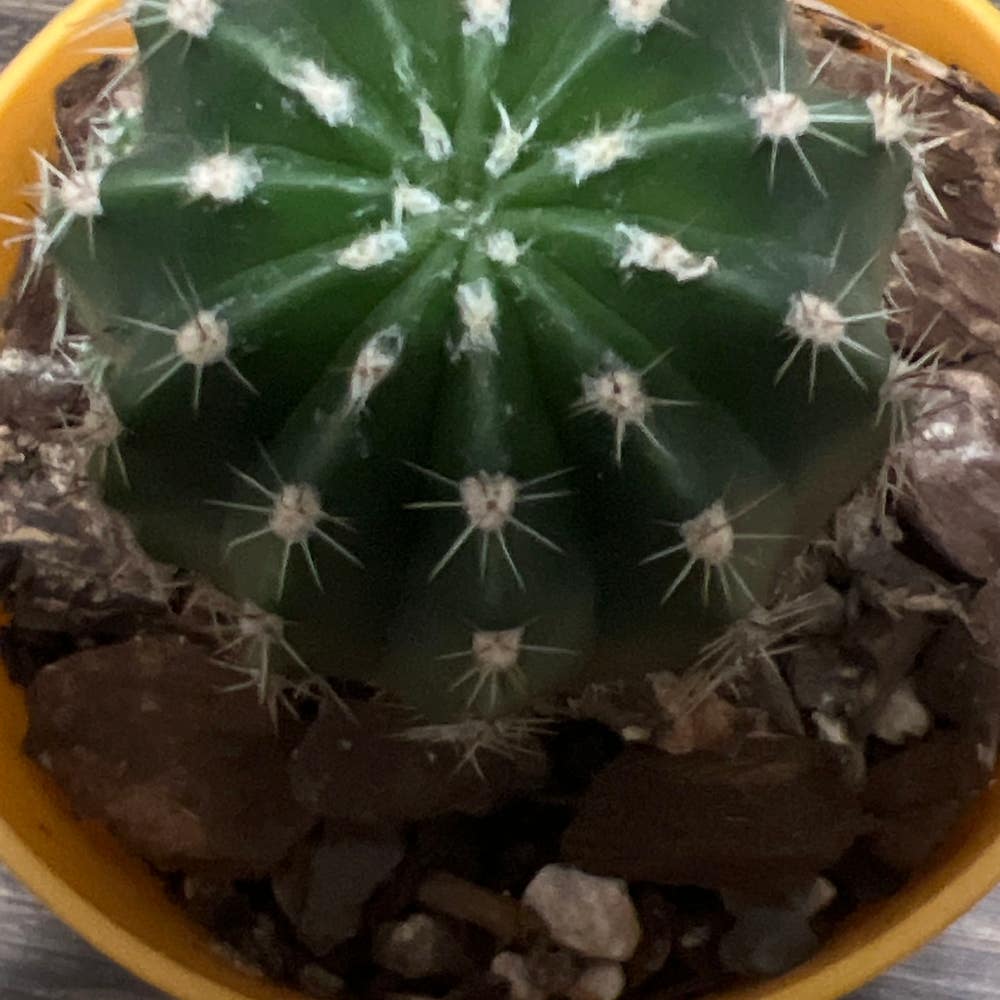
How to Propagate Your Rose Quartz Peanut Cactus
Echinopsis 'Rose Quartz'
By the Greg Editorial Team
Feb 10, 2024•4 min read
This article was created with the help of AI so we can cover more plants for you. May contain errors. See one? Report it here.
Propagate your Rose Quartz Peanut Cactus 🌵 and watch your garden flourish with these foolproof tips!
- Choose vibrant stems and use sterilized tools for successful stem cuttings.
- Gentle separation and care for offsets ensures new cactus thrives.
- Patience with seeds: germinate in warm, indirect light and well-draining soil.
Snipping Success: Propagation through Stem Cuttings
🌱 Choosing Your Champions
Selecting healthy stems is like picking your fantasy sports team; you want the best players. Look for stems that are vibrant and sturdy, showing no signs of weakness or disease. The best time to draft these champions is during their peak growing season, which is usually spring or early summer.
✂️ The Cut and Dry of It
Before making the cut, sterilize your tools with rubbing alcohol to avoid any nasty infections. Make a clean, angled cut just below a node, as that's where the roots will pop out. While rooting hormone isn't mandatory, it's like a growth steroid for your cuttings—highly recommended for an extra boost.
🌱 Rooting for Growth
The rooting environment should be the Ritz-Carlton for your cuttings. Use a light, airy soil mix that drains faster than your patience while waiting for roots. Water sparingly—think of it as a fine mist, not a monsoon. Cover the cuttings with a plastic bag to create a mini greenhouse, but let them breathe to avoid fungal raves. Keep them out of direct sunlight; they're not ready for their tan just yet.
Little Offshoots, Big Future: Propagation through Offsets
🌱 Spotting Potential Offsets
To begin, identify the offsets. These are your cactus's own attempts at cloning itself, nestled close to the parent plant. Look for miniatures that have sprouted their own roots, signaling they're ready for solo life. Size matters; too small and they might not make it, too big and they might resist the move.
🪚 The Gentle Separation
Separation should be more finesse than force. Use a sterilized knife for a clean cut, if needed. After detaching, give the offset a day to callus over—this helps prevent rot. It's like giving the offset a pep talk before its first day at a new school.
🌱 Offsets' First Steps
When potting, think of Goldilocks—not too deep, not too shallow. Use a well-draining soil mix and a pot with drainage holes. Water sparingly, as these little ones can't swim. Place them in bright, indirect light; direct sunlight is a no-go. Patience is key; roots take time to develop, so keep the soil just moist enough and let nature do its thing.
From Tiny Seeds to Prickly Pearls: Propagation through Seeds
🌱 Seed Collection and Sowing
Harvesting Rose Quartz Peanut Cactus seeds is akin to a treasure hunt. To ensure your seeds have the best start, cleanliness is paramount. Make sure seeds are free from any pulp before sowing.
To sow, sprinkle seeds on top of a well-draining cactus mix. Cover them sparingly with soil to avoid deep burial. Water gently to maintain consistent moisture without disturbing the seeds.
🌱 Germination Station
Creating a germination haven requires a balance of warmth and moisture. A warm spot with indirect light is ideal. Patience is crucial; germination can take anywhere from 3 to 45 days.
Monitor your seeds closely, but resist the urge to overwater. Too much moisture can lead to rot, so aim for damp, not soggy, soil. Keep the faith, and with time, you'll see the first signs of life from your future cacti.
Navigating the Bumps: Troubleshooting Propagation Issues
🚨 Spotting the Signs
- Yellowing leaves or stunted growth are your cactus's cry for help.
- Mushy stems scream overwatering, while wrinkled skin whispers of thirst.
- Pests like mealybugs and aphids turn your propagation dream into a nightmare.
🛠 Quick Fixes
- Isolate the affected plant to prevent a full-blown infestation party.
- Adjust watering—more isn't always merrier. Aim for moist, not swampy.
- Temperature too low? Move your cacti to a warmer spot. They're not fans of the cold shoulder.
- Humidity issues? A pebble tray might just be your new best friend.
- Sterilize your tools. It's like a flu shot for your cactus cuttings.
- Lighting can make or break your propagation game. Too much and you'll fry them, too little and they'll sulk.
- Root rot? Improve drainage. Think of it as an emergency exit for excess water.
- If all else fails, tweak one variable at a time. It's like solving a mystery—one clue at a time.
⚠️ Safety First
This content is for general information and may contain errors, omissions, or outdated details. It is not medical, veterinary advice, or an endorsement of therapeutic claims.
Always consult a qualified healthcare professional before using any plant as food, medicine, or supplement.
Never eat any plant (or feed one to pets) without confirming its identity with at least two trusted sources.
If you suspect poisoning, call Poison Control (800) 222-1222, the Pet Poison Helpline (800) 213-6680, or your local emergency service immediately.
Spotted an error? Please report it here.
Ensure your Rose Quartz Peanut Cactus cuttings flourish 🌵 with Greg's personalized care reminders and troubleshooting tips, making propagation a breeze from stem to sprout.