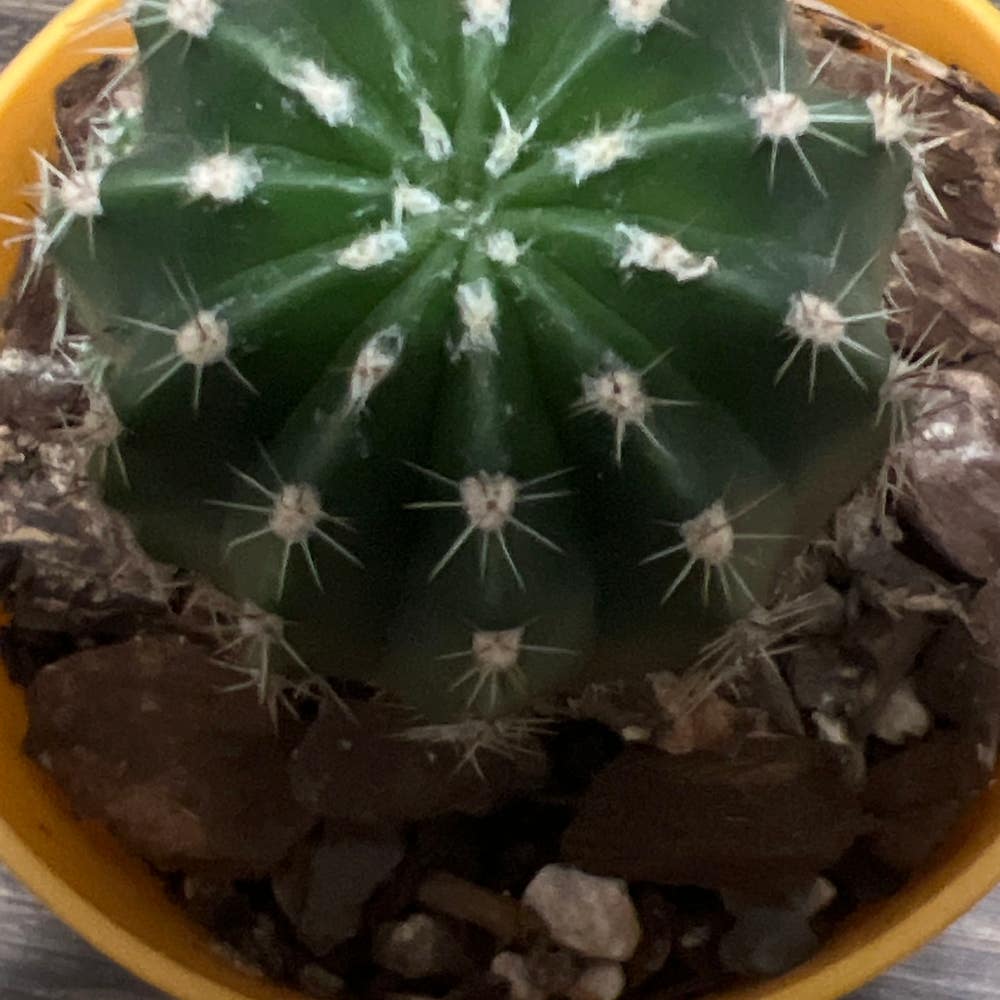
🌵 Soil Recommendations for Rose Quartz Peanut Cactus
Echinopsis 'Rose Quartz'
By the Greg Editorial Team
Feb 10, 2024•4 min read
This article was created with the help of AI so we can cover more plants for you. May contain errors. See one? Report it here.
Discover the secret to a thriving Rose Quartz Peanut Cactus with our tailored soil mix guide 🌵💎.
- Mold and overwatering threaten cactus health; ensure dry soil before watering.
- Homemade soil mix: 3 parts potting soil, 2 parts sand, 1 part perlite.
- 🌵 Choose commercial soil with organic matter and inorganic drainage aids.
Spotting Trouble: Signs Your Cactus Soil is Unhappy
🍄 Moldy Menaces: Identifying Fungal Issues
Mold on your cactus soil isn't just unsightly; it's a thief, robbing your plant of nutrients. Look for a fuzzy or slimy presence, a bit like an unwanted guest at a party. A musty smell? That's your soil crying out for a cleanup.
💦 Water Woes: Recognizing Overwatering Symptoms
Yellow, mushy leaves? Soggy base? Your cactus is practically drowning. Overwatering symptoms are a plant's SOS. The soil should feel dry an inch down before you even think about watering again. And remember, good drainage is non-negotiable.
🕵️ Root Rot: Understanding the Silent Killer
Blackened, mushy roots are the hallmark of root rot, a stealthy burglar in the night. If your cactus is leaning or looking paler than a ghost, it's time for a root inspection. Catching root rot early is key—once it starts, it's a race against the clock.
Fixing the Foundation: Reviving Unhealthy Soil
🍄 Mold Management: Steps to Eradicate Fungal Problems
Mold on your cactus soil isn't just unsightly; it's a red flag. To tackle it, scrape off any visible mold. Then, play the waiting game—let the soil dry out thoroughly before the next watering. Overly damp conditions are a mold's paradise, so cut back on the H2O. If the mold's a stubborn squatter, mix in perlite or pumice to boost aeration and evict it for good.
🚰 Drainage Dilemmas: Improving Water Flow
Water should flow through cactus soil like a good conversation—smoothly and without pooling. If your soil's more like an awkward silence, revise your watering routine. Ensure your pot has drainage holes and consider adding grit like coarse sand to the mix. This isn't just about survival; it's about giving your Rose Quartz Peanut Cactus the VIP treatment it deserves.
🔄 When to Start Over: Replacing Soil vs. Amending It
Sometimes soil is beyond redemption, and it's time for a fresh start. If root rot has set in, don't hesitate to replace the soil entirely. It's like hitting the reset button on your plant's home. But if the issue is less severe, amending the existing soil might suffice. Mix in new, breathable components and watch your cactus thank you with growth. Remember, it's not just about fixing what's broken; it's about setting the stage for future triumphs.
Crafting the Perfect Blend: Homemade Soil Mix Recipes
🌵 The Base Ingredients: What Goes Into a Cactus-Friendly Mix
Creating a homemade soil mix for your Rose Quartz Peanut Cactus starts with selecting the right base ingredients. Organic matter is essential, providing both nutrients and structure. Begin with a high-quality all-purpose potting soil as the foundation. To this, add coarse sand or grit for improved drainage, mimicking the cactus's natural habitat. Perlite is another crucial component, ensuring the soil remains airy and roots stay oxygenated.
📏 Getting the Mix Right: Ratios for Success
The secret to a thriving cactus lies in the soil ratios. A tried-and-true mixture consists of 3 parts potting soil, 2 parts sand or grit, and 1 part perlite. This blend strikes a balance between moisture retention and drainage, crucial for cactus health. Remember, the perfect mix may require tweaking based on your home's specific conditions, so observe your cactus and adjust as needed.
🌡️ pH Perfection: Adjusting Acidity for Rose Quartz Peanut Cactus
Rose Quartz Peanut Cactus prefers a slightly acidic to neutral pH, typically between 6.0 and 7.5. To adjust the pH, incorporate sphagnum peat moss to lower it or agricultural lime to raise it. Ensuring the pH is balanced is not just good practice—it's a safeguard against nutrient lockout, which can starve your cactus. Always test the pH of your mix and tweak it to hit that sweet spot for optimal cactus health.
Store-Bought Simplicity: Choosing the Right Commercial Soil
💎 What to Look for on the Label: Analyzing Soil Components
When selecting a commercial soil for your Rose Quartz Peanut Cactus, the label is your treasure map. Organic matter is a must; it should list components like peat moss or coco coir, which offer nutrients and moisture control. For adequate drainage, ensure the mix includes inorganic materials like perlite, pumice, or coarse sand. A lighter bag often equates to better aeration, crucial for cactus health.
🌵 Top Picks: Recommended Brands for Rose Quartz Peanut Cactus
In the realm of store-bought soils, a few brands stand out for Rose Quartz Peanut Cactus. Dr. Earth Cactus mix, despite its lack of real pumice, has quality organics and ensures good drainage. Miracle-Gro Cactus, Palm & Citrus is another top contender, striking the right balance between weight and nutrient content. Always sidestep soils that seem too dense or heavy; they can suffocate the roots, turning your cactus care into a rescue mission.
⚠️ Safety First
This content is for general information and may contain errors, omissions, or outdated details. It is not medical, veterinary advice, or an endorsement of therapeutic claims.
Always consult a qualified healthcare professional before using any plant as food, medicine, or supplement.
Never eat any plant (or feed one to pets) without confirming its identity with at least two trusted sources.
If you suspect poisoning, call Poison Control (800) 222-1222, the Pet Poison Helpline (800) 213-6680, or your local emergency service immediately.
Spotted an error? Please report it here.
Keep your Rose Quartz Peanut Cactus flourishing with Greg's custom reminders 🌵 to check soil dryness and tap into community wisdom for the best soil mix from this guide.