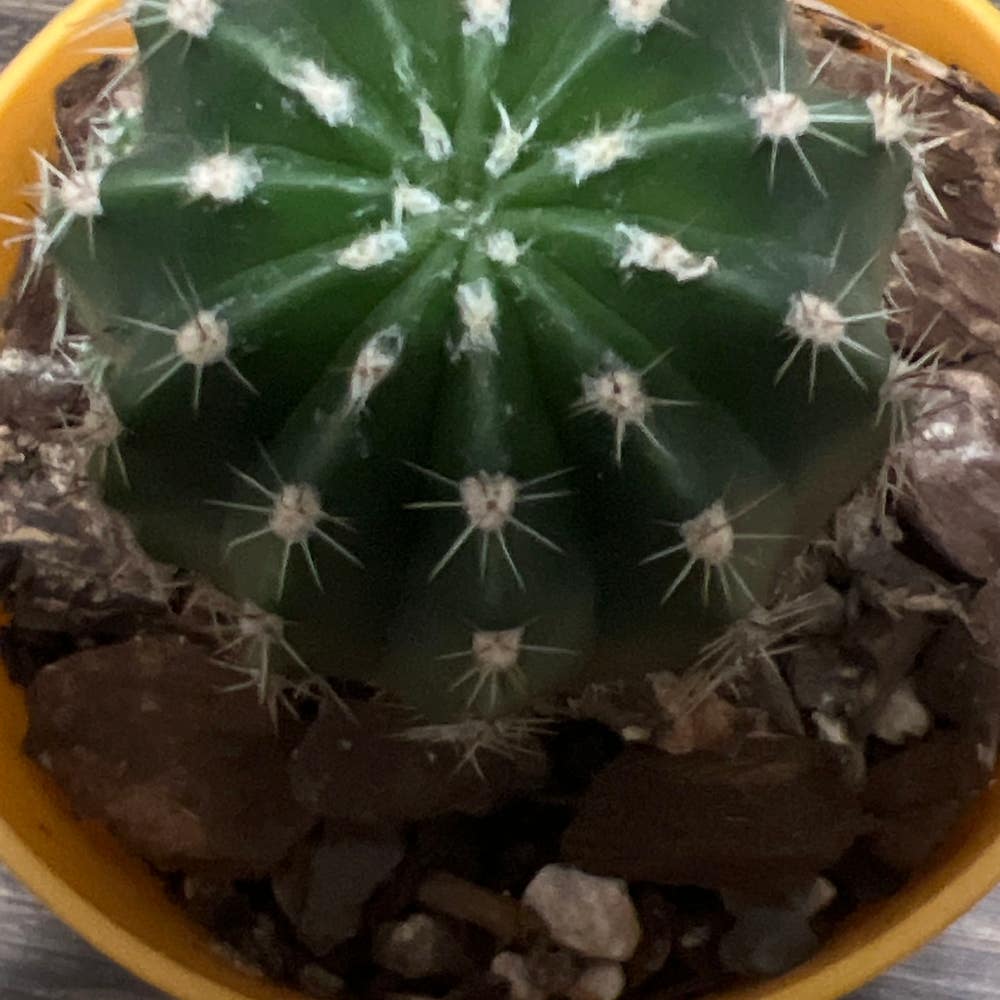
Rose Quartz Peanut Cactus - Ultimate Guide to Fertilizing
Echinopsis 'Rose Quartz'
By the Greg Editorial Team
Feb 10, 2024•4 min read
This article was created with the help of AI so we can cover more plants for you. May contain errors. See one? Report it here.
Nurture vibrant cactus blooms 🌵✨ with our guide on perfect fertilizer balance and timing—no over-fertilization woes!
- Balanced, low-nitrogen fertilizer is key for healthy cacti.
- Fertilize in active growth phases, reduce during dormancy.
- Dilute and apply carefully to prevent over-fertilization.
Choosing the Right Fertilizer for Your Cactus
💡 Balanced and Diluted Options
When it comes to cactus care, balance is the cornerstone. Your Rose Quartz Peanut Cactus doesn't need a feast of nutrients, just a well-rounded meal. Opt for a balanced fertilizer with a 1-1-1 or 2-1-1 N-P-K ratio.
Dilution is your friend here. Cut the recommended strength in half to avoid nutrient overload. This gentle approach ensures your cactus gets just enough to thrive without the risk of overfeeding.
💧 Low Nitrogen: A Must for Cacti
Nitrogen is like the third wheel in a cactus's love story with the sun and soil—it's necessary but can easily become too much. Low nitrogen is key to prevent your cactus from becoming all leaf and no charm.
Look for fertilizers with a higher phosphorus content to encourage blooms. A 5-10-5 solution is a solid choice, providing the nutrients needed for growth without encouraging unwanted leafy expansion.
Timing is Everything: When to Fertilize
💡 Growth Cycles and Fertilizer Timing
Spring heralds active growth for the Rose Quartz Peanut Cactus, making it the ideal time to begin fertilization. As the cactus shakes off the chill of winter, it's primed to absorb nutrients that fuel its growth spurt.
Summer continues this trend, demanding a consistent fertilization regimen to support the cactus's needs. Think of it as keeping the pantry stocked for a growing teenager.
💤 Dormancy and Fertilization
When the temperature drops and growth slows, it's time to dial back on the fertilizing. Dormancy is the cactus's way of saying it's time for a break, and overfeeding during this phase is a no-go.
Look for signs like halted growth or a lack of new spines to determine when your cactus has entered its rest period. This is your cue to reduce or cease fertilization until the warmer months return.
How to Apply Fertilizer Without Harm
💧 The Dilution Ratio Dance
Getting the mix just right is a dance with science. Overdoing it can lead to root burn, which is the last thing your Rose Quartz Peanut Cactus needs. Half-strength solutions are typically the way to go. Use a measuring tool, like a pipette or a teaspoon, to ensure precision when diluting your fertilizer.
🌱 Root Zone Fertilization Techniques
Apply the diluted fertilizer directly to the soil, avoiding any contact with the cactus itself. The root zone is where the magic happens, so focus on that area for maximum nutrient uptake. A watering can with a long spout or a hose-end sprayer can help you target the soil without splashing the cactus, which could lead to nutrient burn or unsightly spots.
Recognizing and Fixing Over-Fertilization
🚨 Spotting Trouble Early
Symptoms of over-fertilization in Rose Quartz Peanut Cactus can be quite overt. You might notice a crusty residue on the soil's surface, a telltale sign of salt buildup from too much fertilizer. The cactus itself may display yellowing or browning leaves, and in severe cases, wilting despite moist soil. Roots may turn dark and limp, signaling distress below the surface. These symptoms often appear soon after feeding, so keep a sharp eye out post-fertilization.
👀 Monitoring Your Cactus's Response to Feeding
It's crucial to observe your cactus closely after feeding. Any negative changes in its appearance or growth should raise red flags. If you suspect over-fertilization, don't just shrug it off. Your cactus isn't throwing a tantrum; it's likely in genuine distress.
💊 The Recovery Plan
If you've gone overboard with the fertilizer, don't panic. First, remove any visible fertilizer from the soil to halt further nutrient uptake. Then, flush the soil with water to leach out the excess—think of it as a detox for your cactus. Repeat this every few days, keeping an eye on your plant's recovery. Pruning damaged foliage can help the cactus focus on new growth. For potted plants, it might be wise to replace the top layer of soil or repot with fresh, nutrient-free soil.
🛡️ How to Prevent Future Over-Fertilization
Prevention is better than cure, especially with fertilization. Research your cactus's specific needs—less is often more. Use a balanced fertilizer, low in nitrogen, and adhere to a fertilization schedule that reflects your cactus's growth cycle. Before adding any supplements, test the soil. This way, you'll avoid the nutrient burn that comes from overzealous feeding. Keep it simple, and your Rose Quartz Peanut Cactus will thank you with vibrant growth.
⚠️ Safety First
This content is for general information and may contain errors, omissions, or outdated details. It is not medical, veterinary advice, or an endorsement of therapeutic claims.
Always consult a qualified healthcare professional before using any plant as food, medicine, or supplement.
Never eat any plant (or feed one to pets) without confirming its identity with at least two trusted sources.
If you suspect poisoning, call Poison Control (800) 222-1222, the Pet Poison Helpline (800) 213-6680, or your local emergency service immediately.
Spotted an error? Please report it here.
Nurture your Rose Quartz Peanut Cactus to peak blooms 🌸 with Greg's precise fertilization reminders tailored to your plant's growth cycle!