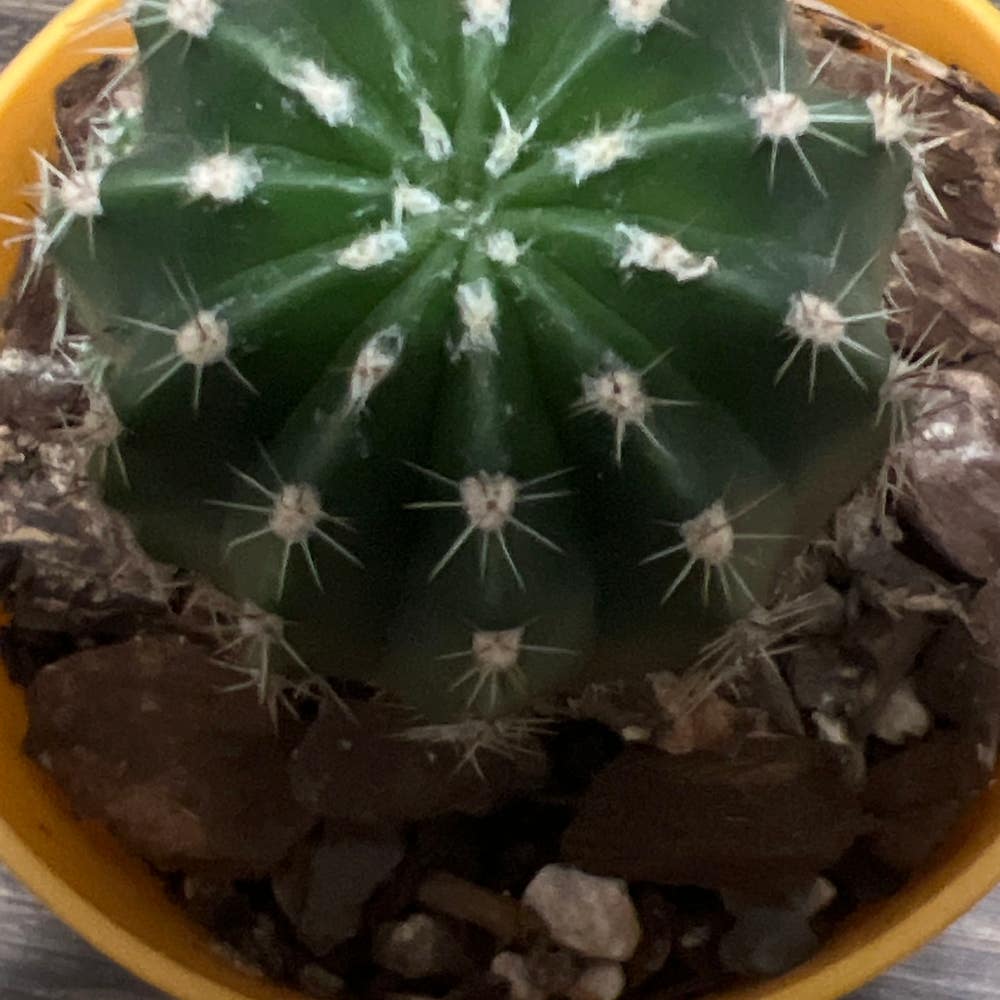
Why Are My Rose Quartz Peanut Cactus Leaves Mushy?
Echinopsis 'Rose Quartz'
By the Greg Editorial Team
Feb 10, 2024•5 min read
This article was created with the help of AI so we can cover more plants for you. May contain errors. See one? Report it here.
Revive your soggy Peanut Cactus and prevent future mushiness with these key care tips! 🌵💡
- Overwatering signs: Yellow patches, swollen/translucent leaves, and blackening.
- Root rot treatment: Remove affected roots, use fungicide, repot with drainage.
- Prevent fungal issues: Ensure well-draining soil, proper airflow, and correct watering.
Spotting the Trouble: Signs Your Cactus is Too Wet
🚱 Telltale Symptoms of Overwatering
Yellow patches on your Rose Quartz Peanut Cactus aren't a fashion statement; they're distress flares. Overwatering may leave the leaves swollen or translucent. If they're starting to blacken, that's your cactus's version of an SOS. A soil that smells worse than last week's leftovers? You've been too generous with the watering can.
🚨 Immediate Actions to Take
When your cactus feels as soft as an overripe peach, it's time to halt all watering. Let the soil dry out completely—think desert, not damp forest. Upon resuming, water should only lightly moisten the soil. If the pot feels like it's packed with wet sand, it's time to reassess your watering habits.
Root of the Problem: When Your Cactus's Foundation is at Risk
🌵 Recognizing Root Rot in Your Cactus
Root rot in cacti is like the boogeyman of plant diseases—silent but deadly. Mushy leaves on your Rose Quartz Peanut Cactus are the equivalent of a flashing neon sign saying "Help me!" If the roots are brown and squishy, you're dealing with root rot. Healthy roots should be firm and white—anything else is a cause for concern.
🚫 Differentiating Root Rot from Other Issues
Not all problems are root rot. If the cactus is leaning or the base is soft, you might just be overwatering. Discoloration and wilting, though, are cries for help. It's critical to distinguish between root rot and other issues like pests or nutrient deficiencies.
🩹 Saving Your Cactus from Root Rot
💉 Treatment Options for Root Rot
When root rot attacks, it's time to play surgeon. Unpot your cactus, shake off the soil, and inspect the roots. Cut away the mushy, discolored parts with sterilized shears. Then, treat the remaining roots with a fungicide—think of it as your cactus's shield.
🌱 When and How to Repot to Aid Recovery
Choose a new pot with drainage holes and fill it with a well-draining soil mix. Terra cotta pots are your best friend here, allowing the soil to dry out faster than plastic. When repotting, handle your cactus with care—it's been through a lot. Hold off on watering until the soil is dry to the touch, and then water sparingly.
Fungal Foes: Dealing with Mushiness from Infections
🍄 Spotting Fungal Infections Early
Discoloration and soft texture are the snitches that tell you a fungal infection has gatecrashed your Rose Quartz Peanut Cactus party. These infections start off as small, discolored spots that could easily be mistaken for a cactus's version of a bad day. But when these spots spread and bring mushiness along for the ride, it's a clear sign you've got a fungal freeloader.
Fungi thrive in damp conditions, so if your cactus has been enjoying more showers than the Amazon rainforest, it's time to dial it back. Watch for patterns that don't mesh with the usual cactus aesthetic—like concentric rings or a yellow halo surrounding the brown spots. These are the calling cards of a fungal invasion.
🛡️ Fighting Back Against Fungus
When it comes to treatment, fungicides are your go-to mercenaries. But don't just grab any bottle off the shelf; choose one that's specifically formulated for cacti. Follow the instructions to the letter—this isn't the time for creative interpretations.
Prevention is your best defense. Ensure your cactus's soil is as well-draining as a colander and that it's living in a pot that doesn't trap moisture like a sponge. Consider a diluted vinegar spray as a home remedy to keep the fungi guessing. And remember, variety is the spice of life, so alternate your fungicides to prevent the fungi from developing resistance.
Keep your cactus's environment as inhospitable to fungi as a desert is to a polar bear. That means plenty of sunlight, good airflow, and a watering schedule that doesn't leave the soil soggy. Regularly clean up any dead plant material to avoid giving fungi a foothold. And if you spot any signs of infection, isolate your cactus faster than you'd unfriend a spoiler-happy acquaintance on social media.
Turning the Tide: Recovery and Prevention Strategies
💧 Adjusting Your Watering Regimen
Watering frequency is the lifeline for your Rose Quartz Peanut Cactus. During the active growing season, water thoroughly only when the soil is completely dry. Use the weight of the pot or the dryness of the topsoil as your guide. In cooler seasons, reduce watering to prevent soggy soil conditions.
Daylight watering helps moisture evaporate, reducing the risk of root rot. Always check the pot's drainage; stagnant water is a silent killer for cacti. Adjust your watering habits with the seasons—more in the summer, less in the winter.
Choosing the Right Environment
Selecting the right pot is a game-changer. Terracotta pots are excellent for their moisture-wicking abilities. Ensure the pot size is snug—too much soil retains unnecessary moisture.
Well-draining soil is non-negotiable. Mix in sand or perlite to increase drainage. Place your cactus in a location with bright, indirect light and stable temperatures to avoid environmental stress. Gradual acclimatization is key when changing its setting—no cactus enjoys a shock to the system.
⚠️ Safety First
This content is for general information and may contain errors, omissions, or outdated details. It is not medical, veterinary advice, or an endorsement of therapeutic claims.
Always consult a qualified healthcare professional before using any plant as food, medicine, or supplement.
Never eat any plant (or feed one to pets) without confirming its identity with at least two trusted sources.
If you suspect poisoning, call Poison Control (800) 222-1222, the Pet Poison Helpline (800) 213-6680, or your local emergency service immediately.
Spotted an error? Please report it here.
Revive your Rose Quartz Peanut Cactus from mushy to mighty 🌵 with Greg's tailored watering reminders, ensuring just the right amount of moisture from these care tips!