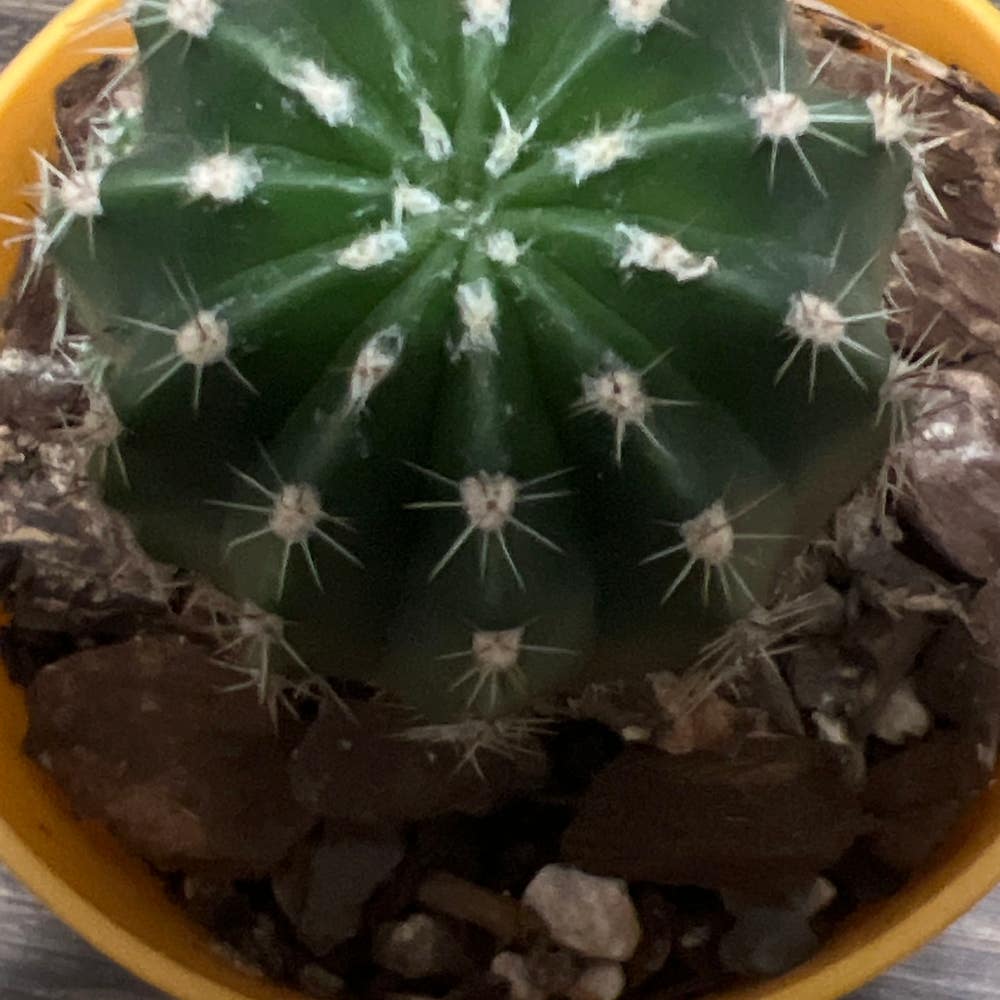
10 Advantages of Having a Rose Quartz Peanut Cactus
Echinopsis 'Rose Quartz'
By the Greg Editorial Team
Feb 10, 2024•3 min read
This article was created with the help of AI so we can cover more plants for you. May contain errors. See one? Report it here.
Add a pop of pink positivity 🌵 and effortless care to your space with the Rose Quartz Peanut Cactus.
- 🌸 Soft pink hue enhances decor, symbolizing love and harmony.
- 🌵 Low-maintenance and space-efficient, perfect for busy plant lovers.
- 📚 Rich in culture and conversation, it's more than just a plant.
A Touch of Pink in Your Decor
🌸 The Rose Quartz Peanut Cactus' Color Palette
The Rose Quartz Peanut Cactus infuses a soft pink hue into your living space, offering a subtle yet impactful addition to your decor. Its rose-colored flowers, sometimes with light purple accents, can complement a range of interior designs, from modern minimalism to bohemian chic.
🎨 A Living Sculpture
This cactus is not just a plant; it's a conversation starter, a piece of living art. Its unique form, with flowers sprouting in various directions, creates a dynamic visual interest that can serve as a natural centerpiece or a discreet accent in any room.
A Bundle of Positive Vibes
💖 Symbolism of Love and Harmony
The Rose Quartz Peanut Cactus isn't just a pretty face; it's steeped in symbolism. Its connection to the heart isn't superficial—it's a living emblem of love and harmony. In the language of flowers, it's akin to sending a love letter without the paper cuts. This cactus, with its soft hues and resilient nature, is a testament to enduring affection, making it a thoughtful gift for loved ones or a self-love totem for your personal space.
🎐 Feng Shui and Energy Flow
In the Feng Shui world, the Rose Quartz Peanut Cactus is more than a plant; it's an energy shield. Placing it near a window is believed to fend off negative vibes like a spiritual bouncer. It's not just about what it repels, though—the cactus is also a magnet for positive energy, potentially turning your space into a hotspot for tranquility and good fortune. It's like having a secret weapon against life's downers, all wrapped up in a charming, spiky package.
Easygoing Companion for Plant Parents
🌵 Thrives on Neglect
The Rose Quartz Peanut Cactus is a champion of resilience, demanding little to stay vibrant. Its tolerance for lower light and sporadic watering schedules makes it a forgiving choice for those who might not have a green thumb.
🌱 Small but Mighty
Despite its diminutive stature, this cactus packs a punch in the decor department. It's ideal for small spaces, offering a pop of greenery without overwhelming the area. Its compact size belies its robust nature, making it a perfect fit for tight corners in need of a touch of life.
Emotional and Social Perks
🌵 Stress-Relief Buddy
The Rose Quartz Peanut Cactus serves as a serene companion in your personal space. Its presence is a subtle reminder to breathe and unwind, offering a visual form of stress relief.
🗣 Conversation Piece
This cactus is more than a plant; it's a storyteller. Its unusual appearance and soft pink hues are natural conversation starters, sparking discussions and connections over its care and origins.
Deep Roots in Culture and Tradition
🌵 Stories and Myths
The Rose Quartz Peanut Cactus isn't just a pretty face; it's steeped in lore. This plant has been a silent witness to ages past, its resilience a testament to survival in diverse cultures. While specific myths may not be as widely known as those of its cousins, the cactus family has always been a symbol of endurance and adaptation.
📜 A Plant with a Past
Historical significance clings to the cactus like its tenacious roots to the arid soil. Cultures from the Native Americans to the Mexican people have revered cacti for their practical uses and spiritual importance. The Rose Quartz Peanut Cactus, with its blush hues, could have been a natural selection for rituals or healing practices, echoing a heritage that valued both beauty and utility.
⚠️ Safety First
This content is for general information and may contain errors, omissions, or outdated details. It is not medical, veterinary advice, or an endorsement of therapeutic claims.
Always consult a qualified healthcare professional before using any plant as food, medicine, or supplement.
Never eat any plant (or feed one to pets) without confirming its identity with at least two trusted sources.
If you suspect poisoning, call Poison Control (800) 222-1222, the Pet Poison Helpline (800) 213-6680, or your local emergency service immediately.
Spotted an error? Please report it here.
Let the Rose Quartz Peanut Cactus blossom 🌵 in your space, with Greg's personalized care reminders ensuring it remains a vibrant symbol of love and harmony.