🌞 Managing Yellow Leaves on Your Rose of Sharon
Hibiscus syriacus
By the Greg Editorial Team
Sep 30, 2024•5 min read
This article was created with the help of AI so we can cover more plants for you. May contain errors. See one? Report it here.
Transform your Rose of Sharon's yellowing leaves 🌼 into vibrant blooms with these essential care tips!
- 🌱 Yellow leaves indicate nutrient deficiencies, especially nitrogen and iron.
- 💧 Overwatering and poor drainage lead to root rot and yellowing leaves.
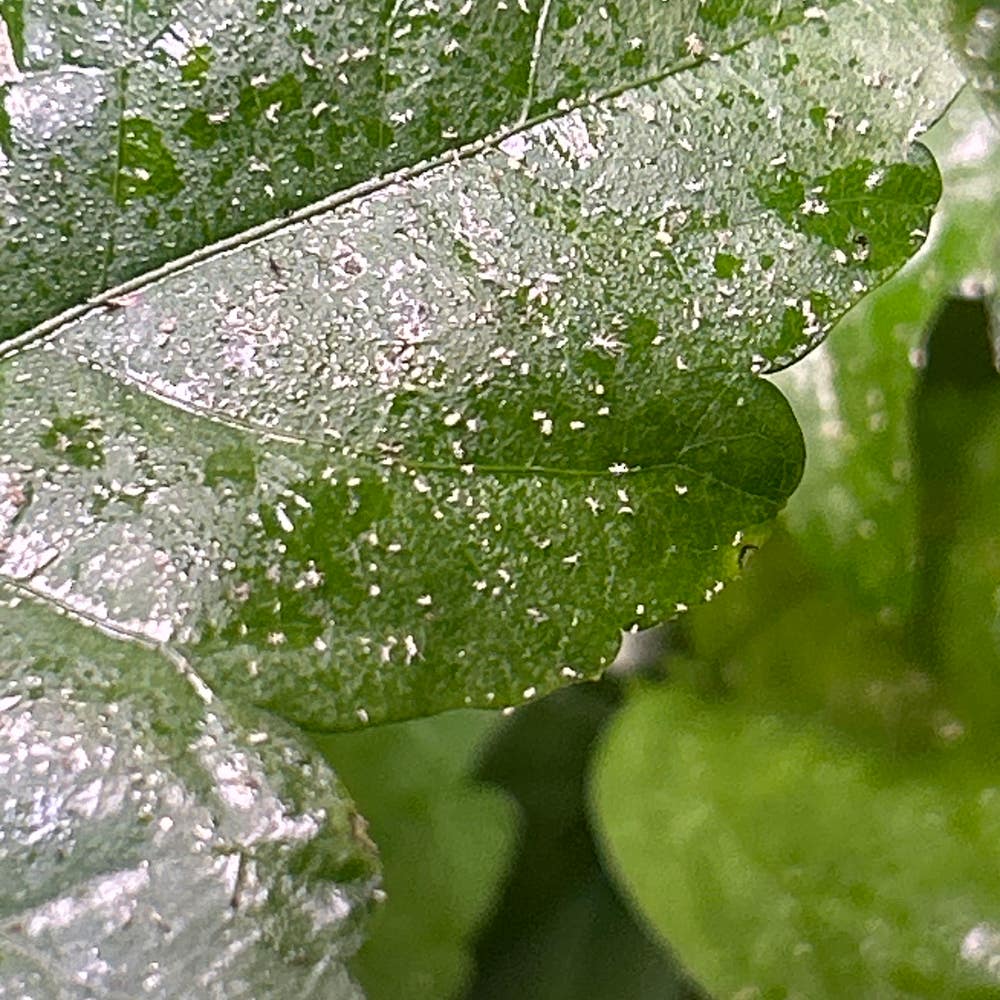
- 🐛 Pests like aphids and spider mites weaken plants, causing yellow leaves.
Causes of Yellow Leaves
🌱 Nutrient Deficiencies
Nitrogen Deficiency
Nitrogen deficiency is a common issue that manifests as yellowing of older leaves and stunted growth. This essential nutrient plays a crucial role in leaf health and overall vigor, making it vital for your Rose of Sharon's well-being.
Iron Deficiency
Iron deficiency presents itself as yellowing between leaf veins, known as interveinal chlorosis. High soil pH and poor drainage can hinder nutrient uptake, leading to this condition.
💧 Overwatering and Poor Drainage
Overwatering can be detrimental, with signs including wilting, yellowing leaves, and root rot. Well-drained soil is essential for Rose of Sharon; sandy loam or loamy soil with good drainage is highly recommended.
🚰 Underwatering
Underwatering leads to dry, crispy leaves, yellowing, and leaf drop. Consistent watering is crucial, especially during dry spells, to keep your plant healthy.
🐞 Pest Infestations
Aphids
Aphids are small pests that leave a sticky residue, curl leaves, and often attract ants. Their presence weakens the plant, contributing to yellowing leaves.
Spider Mites
Spider mites create fine webbing and cause stippled yellow leaves. These pests thrive in dry, dusty environments, making regular checks essential.
🍄 Fungal Diseases
Root Rot
Root rot is characterized by wilting, yellowing leaves, and mushy roots. It typically results from overwatering and poor drainage, emphasizing the need for proper soil conditions.
Leaf Spot
Leaf spot appears as dark spots on leaves, with yellowing around the spots. High humidity and overcrowded plants can create conditions that favor fungal growth, so monitoring is key.
Understanding these causes is the first step in addressing yellow leaves on your Rose of Sharon. Next, let's explore effective treatment options to restore your plant's health.
Treatment Options
Adjusting Watering Practices 🌧️
Assessing your current watering schedule is the first step. Take note of how often and how much water you're giving your Rose of Sharon.
Next, implement a consistent routine that adapts to weather conditions. This ensures your plant receives the right amount of moisture throughout the seasons.
To confirm you're watering correctly, regularly check the soil moisture. The soil should feel damp but not soggy.
Fertilization Techniques 🌱
Choosing the right fertilizer is crucial for your plant's health. Options include slow-release, liquid, and organic fertilizers.
For optimal growth, aim for an NPK ratio of 10-10-10 or similar. Timing is also key; fertilize in early spring and again in mid-summer for the best results.
Pest Control Methods 🐞
Organic Options
Consider using organic pest control methods like neem oil or insecticidal soap. Beneficial insects, such as ladybugs, can also help keep pests at bay.
Chemical Options
If pests persist, you may need to turn to chemical pesticides. Be sure to follow recommended application methods and always read the label for safety precautions.
Fungal Treatment Options 🍄
For fungal issues like root rot and leaf spot, specific fungicides can be effective. Look for products labeled for these conditions.
Natural remedies, such as a baking soda solution or neem oil, can also provide relief. These options are often safer for both your plant and the environment.
With these treatment options in hand, you can tackle the challenges your Rose of Sharon faces. Next, let’s explore preventative measures to keep your plant thriving year-round.
Preventative Measures
Proper Planting Techniques 🌱
Planting your Rose of Sharon at the right depth is crucial for its health. Ensure adequate spacing to promote air circulation, which helps prevent diseases.
Choose locations that receive full sun and have well-drained soil. This will set your plant up for success right from the start.
Soil Preparation and Amendments 🧪
Before planting, conduct a soil test to understand its nutrient composition. This step is vital for creating an optimal growing environment.
Consider adding amendments like compost, peat moss, and perlite to improve drainage. These materials enhance soil structure and nutrient availability.
Regular Monitoring and Maintenance 🔍
Routine inspections are essential for catching issues early. Regularly check for signs of distress in your plants to address problems before they escalate.
Aim to check soil moisture and plant health weekly. This proactive approach can save your Rose of Sharon from potential setbacks.
Seasonal Care Tips 🍂
Adjust your care practices with the changing seasons. Different times of the year require specific attention to keep your plant thriving.
Don’t overlook the importance of mulching and providing winter protection. These practices help insulate the roots and retain moisture, ensuring your plant stays healthy year-round.
By implementing these preventative measures, you can foster a thriving Rose of Sharon that resists yellow leaves and other common issues. Next, let’s explore effective treatment options for when problems do arise.
Pruning and Maintenance
When and How to Prune 🌹
Pruning your Rose of Sharon is essential for its health and appearance. The best times to prune are late winter to early spring, just before new growth begins.
To prune effectively, focus on removing dead or diseased wood. This not only enhances the plant's shape but also encourages vigorous new growth.
Importance of Air Circulation 🌬️
Proper spacing and pruning significantly improve air circulation around your plants. Good airflow helps prevent fungal diseases, which can thrive in damp, crowded conditions.
By ensuring your Rose of Sharon has enough space, you promote a healthier environment that supports robust growth.
Removing Affected Leaves 🍂
If you notice yellow or diseased leaves, it's crucial to remove them promptly. Here’s a simple step-by-step guide:
- Use clean, sharp pruning shears to cut away affected leaves.
- Dispose of the leaves properly to prevent disease spread.
Sanitation is key; always clean your tools after use. This practice helps keep your Rose of Sharon healthy and thriving.
With these pruning and maintenance tips, your Rose of Sharon will flourish, setting the stage for vibrant blooms. Next, let’s explore preventative measures to keep your plant in top shape year-round.
⚠️ Safety First
This content is for general information and may contain errors, omissions, or outdated details. It is not medical, veterinary advice, or an endorsement of therapeutic claims.
Always consult a qualified healthcare professional before using any plant as food, medicine, or supplement.
Never eat any plant (or feed one to pets) without confirming its identity with at least two trusted sources.
If you suspect poisoning, call Poison Control (800) 222-1222, the Pet Poison Helpline (800) 213-6680, or your local emergency service immediately.
Spotted an error? Please report it here.
Transform your Rose of Sharon's yellow leaves into vibrant green ones 🌿 by using Greg's personalized watering alerts and nutrient guidance for thriving plants!