🤔 Why Are There Brown Spots on My Korean Hibiscus?
Hibiscus syriacus
By the Greg Editorial Team
Jun 18, 2024•4 min read
This article was created with the help of AI so we can cover more plants for you. May contain errors. See one? Report it here.
Prevent brown spots and keep your Korean Hibiscus thriving with our proven care tips! 🌺🔍
- Varied brown spots indicate different issues: fungal, bacterial, or pests.
- Early detection and treatment are crucial for a spot-free Hibiscus.
- Prevent with proper care: watering, air flow, and plant hygiene.
Spotting the Trouble: Recognizing Brown Spots
🕵️♀️ Visual Symptoms
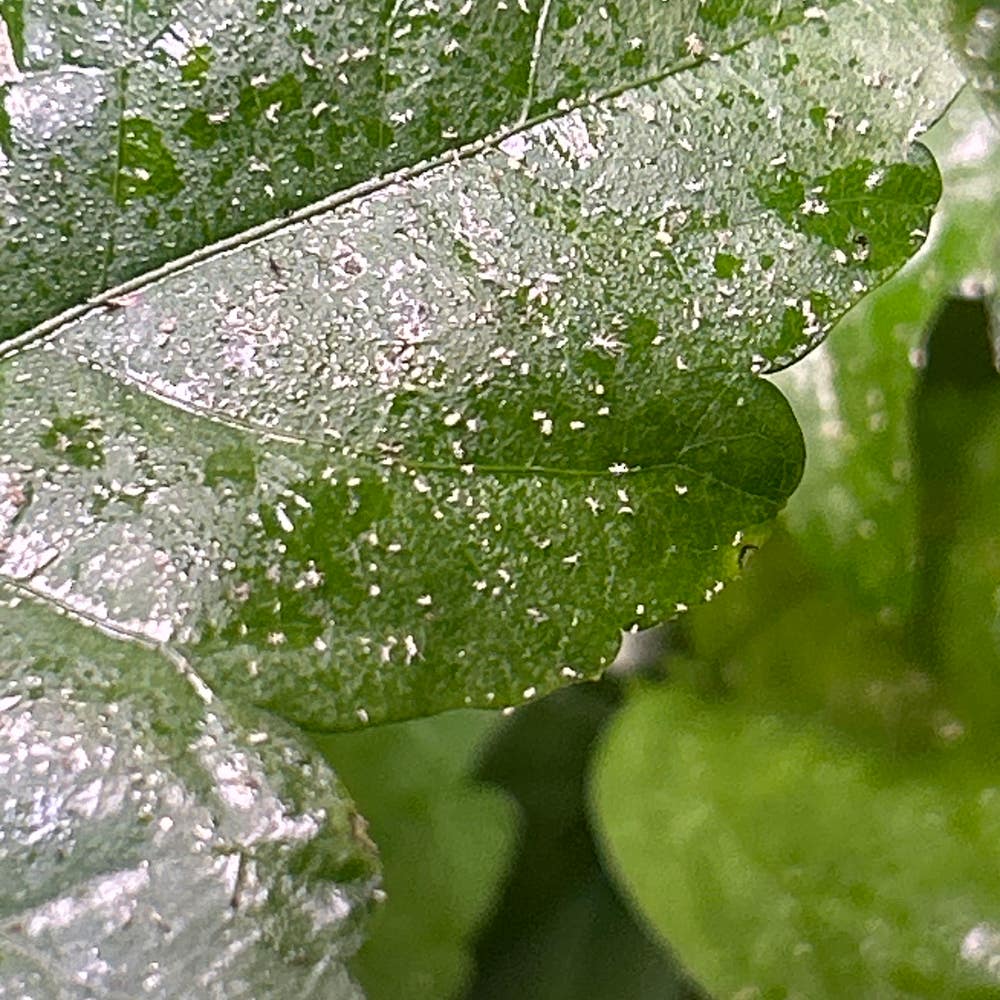
Brown spots on your Korean Hibiscus can be as varied as the plants themselves. They might show up as rusty patches, signaling a cry for nutrients, or as precise, circular lesions that scream fungal or bacterial party. Texture matters too—spots can be dry and crumbly or have the squishy feel of a water-soaked sponge. Some even come with a dramatic yellow halo, as if to say, "Look at me!"
🚨 Early Detection
Catching these spots early is like winning the first round in a boxing match against plant disease. Inspect the leaves regularly, top to bottom, for any signs of these unwanted visitors. Pay special attention to the undersides, where pests love to hide and munch away in secret. If you spot something suspicious, act fast—early discovery is your best defense. Remember, consistent watering and environmental checks are your surveillance cameras in the ongoing battle for plant health.

Unveiling the Culprits: Causes of Brown Spots
🍄 Fungal Foes
Fungal diseases are the prime suspects in the case of brown spots on Korean Hibiscus. Anthracnose and leaf spot diseases flourish in moist environments, leaving behind their signature spots. High humidity and poor air circulation are their accomplices, creating the perfect crime scene for these pathogens to thrive.
🦠 Bacterial Bullies
Bacterial leaf spot sneaks in like a thief, with symptoms including water-soaked lesions that later turn brown. These spots often have a tell-tale yellow halo, signaling bacterial activity. Overwatering and poor drainage are practically an invitation for these microscopic marauders to settle in.
🐜 Pesky Pests
Pests are the vandals of the plant world, causing brown spots through their feeding frenzies. Aphids, thrips, and spider mites are the usual suspects, often found on the undersides of leaves. They're not just causing surface damage; their feeding can introduce pathogens that lead to spot formation.
Remember, the first step in combating these brown spot culprits is proper identification. Flip those leaves and inspect closely—your plant's health depends on it.

Battling Brown Spots: Treatment Strategies
🍄 Fungicide to the Rescue
Fungicides are the go-to when fungal fiestas hit your Korean Hibiscus. The key is to apply early and follow the label like it's your plant's life manual. Rotate products to dodge resistance and mix systemic with contact fungicides for a one-two punch.
💊 Bacteria Busters
Copper-based bactericides are like antibiotics for your plant's bacterial blues. Timing is critical; hit the bacteria during the mid-vegetative stage, then keep up the pressure every 7-10 days. Three rounds should do the trick, but keep your eye on the weather and disease pressure.
🐜 Pest Control Tactics
For pests, it's about outsmarting the little buggers. Miticides for spider mites, consistent vigilance, and a balanced environment are your best bets. Prune away any infested areas and clean up plant debris to cut off their hangouts. Remember, a stressed plant is a pest magnet, so keep your Hibiscus happy.

Keeping Spots at Bay: Prevention Techniques
👩🌾 Cultural Practices
Proper cultural practices are the cornerstone of plant health. Watering techniques can make or break your Korean Hibiscus. Aim for the soil's base, keeping those leaves as dry as the Sahara. Air circulation is like the plant's personal breathing room; without it, you're inviting a fungal house party. And hygiene? It's simple: clean tools, clean pots, clean start.
🕵️♂️ Monitoring and Maintenance
Regular inspections are your early warning system. Catching brown spots early can mean the difference between a quick fix and a full-blown plant ICU situation. Proactive care is about staying one step ahead—think of it as the plant equivalent of eating your veggies and getting plenty of sleep to ward off the common cold.
⚠️ Safety First
This content is for general information and may contain errors, omissions, or outdated details. It is not medical, veterinary advice, or an endorsement of therapeutic claims.
Always consult a qualified healthcare professional before using any plant as food, medicine, or supplement.
Never eat any plant (or feed one to pets) without confirming its identity with at least two trusted sources.
If you suspect poisoning, call Poison Control (800) 222-1222, the Pet Poison Helpline (800) 213-6680, or your local emergency service immediately.
Spotted an error? Please report it here.
Nip those pesky brown spots 🌺 in the bud with Greg's personalized care reminders, ensuring your Korean Hibiscus stays as vibrant as your gardening ambitions!