🌡 What Is A Good Temperature Range For My Korean Hibiscus?
Hibiscus syriacus
By the Greg Editorial Team
Jun 18, 2024•4 min read
This article was created with the help of AI so we can cover more plants for you. May contain errors. See one? Report it here.
Ensure your Korean Hibiscus thrives 🌺 by mastering its perfect temperature sweet spot!
- 65°F to 85°F is ideal for Korean Hibiscus health and blooming.
- 🍂 Watch for discoloration and droopiness as signs of temperature stress.
- Balance temperature and humidity to prevent crispy or fungal-affected leaves.
Spotting the Signs: When Your Korean Hibiscus Feels the Heat or Chill
🌡️ Visual cues of temperature stress
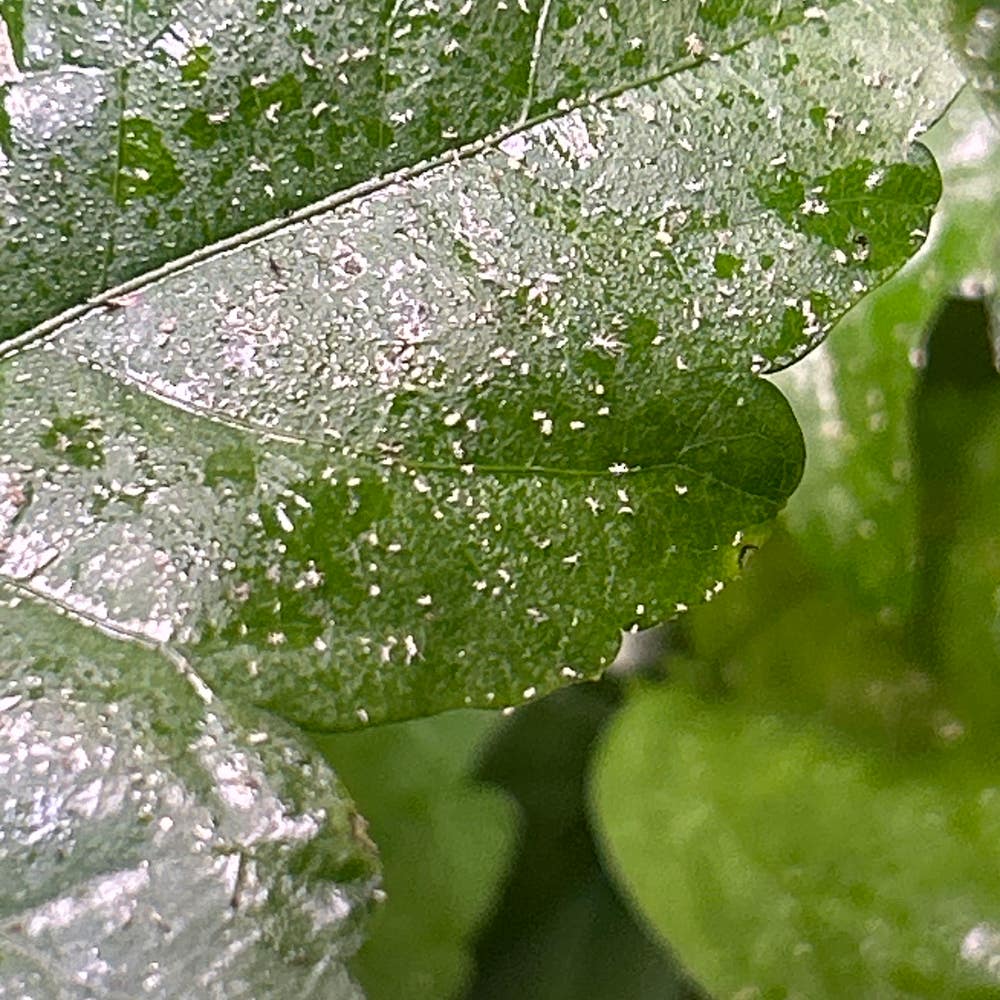
Leaf discoloration and droopiness are your hibiscus's way of waving a white flag. If you notice yellow leaves, it's not just seeking attention—it's likely too hot or begging for better drainage. Brown spots? It's practically shivering and hinting at being too cold.
When leaves drop like they're in a race to the ground, it's an SOS for help. And if your hibiscus's buds are dropping or refusing to bloom, it's not playing hard to get—it's struggling with the temperature.
🚨 Behavioral signs of discomfort
Stunted growth or dormancy isn't your plant being lazy; it's a sign of discomfort, possibly due to temperature woes. If your hibiscus is responding to sudden temperature changes with the enthusiasm of a teenager asked to clean their room, it's a clear sign it's not happy.
Watch for leaves that look like they've been through a mini battle—it could be a temperature issue in disguise, not a pest invasion. Remember, a plant not visibly shaking doesn't mean it's not silently suffering from the cold.

The Sweet Spot: Nailing the Perfect Temperature Range
♨️ The ideal temperature range for thriving Korean Hibiscus
Korean Hibiscus plants bask in warmth. The sweet spot for these tropical beauties lies between 65°F and 85°F (18°C to 29°C). Anything below or above can trigger a botanical sulk-fest.
🌡️ The dangers of straying from the comfort zone
Too cold, and your Korean Hibiscus might as well be hibernating. Expect slow growth and a no-show on the flowering front. Too hot, and it's a recipe for plant exhaustion; think droopy leaves and a general demeanor of "I'm over this."

The Culprits Behind Temperature Tantrums
🌡️ External factors affecting temperature
Seasonal changes can wreak havoc on your Korean Hibiscus, with winter's icy grip or summer's scorching touch challenging its comfort. Indoors, heating and cooling systems can create a rollercoaster of temperature fluctuations, leaving your plant dizzy with stress.
🛡️ Preventing temperature-induced stress
Gradual acclimation is key when moving your Hibiscus to a new spot. Think of it as a plant's version of getting its sea legs. Avoid placing your green buddy near drafty windows or heat-hungry appliances. Instead, aim for a location that offers consistency—the plant equivalent of a steady relationship.

Keeping Your Cool (or Warmth): Temperature Control Tactics
🌡️ Tools of the Trade
Thermometers are your undercover agents in the plant world, quietly ensuring your Korean Hibiscus isn't breaking a sweat or freezing its petals off. For those particularly cold spells, heating mats come to the rescue, offering a warm embrace to the roots without turning your living space into a sauna.
🏠 Creating a Stable Environment
Insulation isn't just for attics; it's a plant's secret weapon against temperature swings. Positioning your Korean Hibiscus strategically away from drafty windows and heat-hungry radiators can prevent it from becoming a victim of your home's microclimates. Think of it as setting up a VIP area for your plant, where the temperature is always just right.
A Quick Humidity Check
Humidity is the sidekick to temperature, crucial for your Korean Hibiscus's well-being. It's about finding that sweet spot where your plant doesn't throw a fit.
💦 Humidity's Role
50% humidity is the magic number for these tropical plants. Too low, and you'll be greeted with crispy leaves; too high, and you're in for a fungal house party.
🌡 Monitoring Humidity
Ditch the guesswork. A hygrometer is your go-to gadget for keeping those humidity levels in check.
🌬 Adjusting the Atmosphere
If your plant's environment feels like a desert, a humidifier can up the ante on moisture. Conversely, a dehumidifier can cut through the mugginess if you're living in a steam room.
🌡 The Temperature-Humidity Tango
Remember, warm air can hold more moisture, so as temperatures rise, so does your plant's ability to bask in humidity. Keep it balanced, and your Korean Hibiscus will thank you.
⚠️ Safety First
This content is for general information and may contain errors, omissions, or outdated details. It is not medical, veterinary advice, or an endorsement of therapeutic claims.
Always consult a qualified healthcare professional before using any plant as food, medicine, or supplement.
Never eat any plant (or feed one to pets) without confirming its identity with at least two trusted sources.
If you suspect poisoning, call Poison Control (800) 222-1222, the Pet Poison Helpline (800) 213-6680, or your local emergency service immediately.
Spotted an error? Please report it here.
Ensure your Korean Hibiscus thrives 🌡 with Greg's tailored reminders and environmental tracking, keeping your green friend in its happy temperature zone!