Why Are My Korean Hibiscus Leaves Curling?
Hibiscus syriacus
By the Greg Editorial Team
Jun 18, 2024•5 min read
This article was created with the help of AI so we can cover more plants for you. May contain errors. See one? Report it here.
Unravel the mystery of curling Hibiscus leaves and nurture a thriving 🌺 with these essential care tips.
- Balance sun and water to prevent Korean Hibiscus leaves from curling.
- Watch for pests like aphids; treat with neem oil or insecticidal soap.
- Nutrient balance is crucial; yellowing or brown edges signal deficiencies.
When the Leaves Throw a Curveball: Identifying the Culprits
🌞 Too Much Sun, Too Little Water?
Korean Hibiscus leaves curling can be a silent scream for help. Direct sunlight may turn them into crispy critters, while insufficient light leaves them reaching for the stars. The key is balance. Check the soil before you water; it should be moist, not a swamp or a desert.
🐜 Uninvited Guests: Pests and Diseases
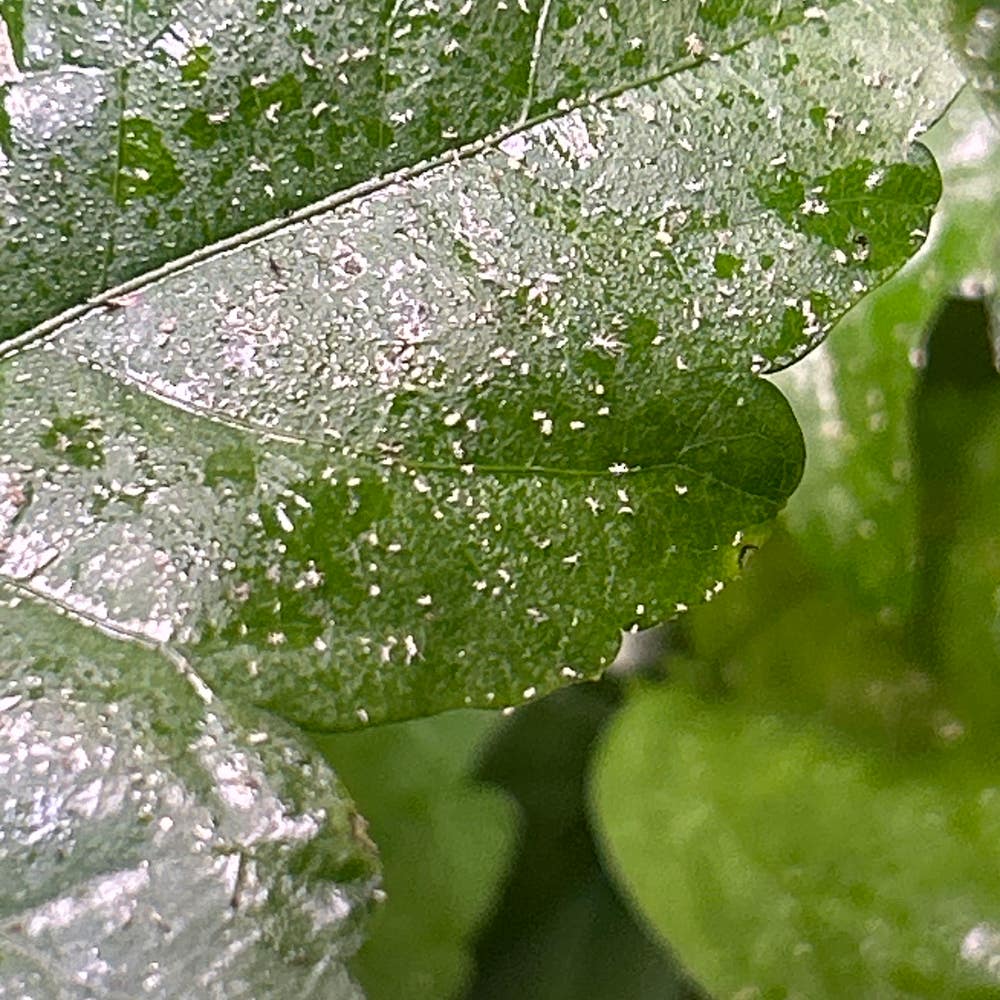
Leaves curling down? You might be hosting an uninvited pest rave. Aphids and spider mites love to party on the undersides of leaves, while fungal infections prefer the main stage. Spot these troublemakers early. Safe treatments include neem oil or insecticidal soap to uncurl those leaves and send pests packing.
🍽️ Feeding Frenzy: Nutrient Needs and Deficiencies
Nutrient deficiencies can turn your plant's leaves into a distress signal. Yellowing leaves often indicate a nitrogen shortage, while brown edges may point to a lack of potassium. Ensure your soil has the right mix of nitrogen, potassium, and magnesium. Over-fertilizing can be just as harmful, so keep it balanced.

Turning Over a New Leaf: Solutions and Adjustments
💡 Environmental Fine-Tuning
Adjusting light and temperature is crucial for creating a Korean Hibiscus haven. Too much sun can lead to a sunburned, curled mess, while too little leaves your plant craving that solar embrace. Strike a balance by observing your plant's response to its current spot and make changes as needed.
Humidity hacks are your secret weapon against dry despair. A pebble tray or a nearby humidifier can be the difference between thriving and barely surviving. Keep the air around your plant moist, but not muggy, to prevent those leaves from taking on a crisp.
🛡️ Healing Hands: Disease and Pest Management
Choosing between natural remedies and chemical warfare against pests and diseases is a garden gambit. Consider eco-friendly options like neem oil or introducing beneficial insects before going nuclear with chemicals.
Routine checks for pests and diseases should be as regular as your morning coffee. Inspect your hibiscus with a detective's eye for early signs of infestation or illness. Early detection means easier correction.
🍽️ Nutritional Balancing Act
Tailored fertilization is like a bespoke suit; it fits just right. Know your plant's dietary needs and serve up a balanced meal of nitrogen, potassium, and magnesium. Overfeeding is as bad as underfeeding, so measure that plant food with precision.
Soil amendments can rejuvenate your plant's bed. Mix in some compost or a slow-release organic fertilizer to keep the soil nutrient-rich without overwhelming your hibiscus. Think of it as a soil spa treatment for root rejuvenation.

Keeping the Leaves Happy: Prevention Tips
👀 Regular Monitoring: The Key to Plant Health
Vigilance is your first line of defense in the quest to keep Korean Hibiscus leaves from curling. Make it a habit to inspect your plant regularly, looking for early signs of stress or infestation. This proactive approach allows you to address issues before they escalate into a botanical nightmare.
💧 Watering Wisdom: Hydration without the Hassle
Watering is less about sticking to a rigid schedule and more about understanding your plant's needs. Consistency is crucial—ensure the soil is moist but not waterlogged. Early morning watering rituals give leaves time to dry out, reducing the risk of fungal fiestas.
🍽 Feeding: Nutritional Nuance
When it comes to nutrients, think of your Hibiscus as a gourmet, not a glutton. A balanced diet, rich in nitrogen, potassium, and magnesium, is essential. Overfeeding is as problematic as neglect, so fertilize with a light touch and only when necessary.
💨 Airflow and Pruning: The Dynamic Duo
Good air circulation is the unsung hero of plant health. Prune strategically to prevent overcrowding and promote airflow. Remember, pruning is like giving your plant a new lease on life, not a buzz cut.
🐜 Pest Patrol: The Art of Early Detection
Keep an eagle eye out for pests. Early detection simplifies eviction. If you spot any critters, show them the door with safe and effective treatments. It's less about pesticide warfare and more about maintaining a peaceful garden sanctuary.
🌡 Environmental Control: Microclimate Mastery
Your Hibiscus doesn't need a weatherman to know which way the wind blows, but it does need you to manage its microclimate. Adjust light and temperature to mimic its natural habitat. Rotate the pot for even growth—no one likes a lopsided Hibiscus.
💇 Grooming: Beyond Aesthetics
Regular grooming goes beyond keeping your plant Instagram-ready. It's about health and efficiency. Wipe down the leaves to keep them dust-free and photosynthesis-friendly. Plus, it's a chance to bond with your green buddy.
🌱 Soil and Pot Selection: The Foundation of Flourishing
Choose the right soil and pot to provide a stable home for your Hibiscus. Well-draining soil in a pot that's just the right size will prevent a multitude of sins, from root rot to the dreaded leaf curl.
🌦 Seasonal Adjustments: Timely Tweaks
As seasons change, so should your care routine. Less water in winter, more shade in summer—it's like updating your plant's wardrobe to keep it comfortable year-round.
By integrating these prevention tips into your routine care, you'll not only stop leaf curling in its tracks but also foster a thriving, vibrant Korean Hibiscus.

⚠️ Safety First
This content is for general information and may contain errors, omissions, or outdated details. It is not medical, veterinary advice, or an endorsement of therapeutic claims.
Always consult a qualified healthcare professional before using any plant as food, medicine, or supplement.
Never eat any plant (or feed one to pets) without confirming its identity with at least two trusted sources.
If you suspect poisoning, call Poison Control (800) 222-1222, the Pet Poison Helpline (800) 213-6680, or your local emergency service immediately.
Spotted an error? Please report it here.
Prevent your Korean Hibiscus leaves from curling by letting Greg tailor your plant care 🌺, ensuring the perfect balance of light, water, and nutrients for a thriving bloom.