Why Are My Korean Hibiscus Leaves Dropping?
Hibiscus syriacus
By the Greg Editorial Team
Jun 18, 2024•4 min read
This article was created with the help of AI so we can cover more plants for you. May contain errors. See one? Report it here.
Save your Korean Hibiscus from leaf loss and ensure lush growth with these essential care secrets. 🌺🍂
- Water wisely: Check soil moisture and drainage to prevent water stress.
- Stable climate is key: Aim for 55-70°F and 40-60% humidity.
- Feed and inspect: Use balanced fertilizer and watch for pests/diseases.
When Watering Goes Wrong
🚰 Signs of Water Stress
Wilting leaves and browning tips are your Korean Hibiscus's way of signaling distress. Overwatering often manifests as yellowing leaves and a squishy stem, while underwatering leaves the plant with droopy leaves and stunted growth. The soil's condition is a telltale sign: soggy means too much water, bone dry means not enough.
🚰 Balancing the Watering Act
To avoid turning your Korean Hibiscus into a botanical drama queen, stick your finger about an inch into the soil. If it's dry, it's time for a drink. Ensure your pot has proper drainage to prevent waterlogged roots. Adjust your watering habits with the seasons—plants are less thirsty in the cold. If you've overdone it, move the plant to shade and hold off on the fertilizer. Remember, your plant's feedback is instantaneous; observe and adapt.

The Dirt on Soil and Roots
🌱 Soil Quality and Drainage
Poor soil conditions can be the silent assassin of your Korean Hibiscus's leaves. A soil mix that doesn't drain can drown roots faster than a mobster in cement shoes.
Aerate your soil. Mix in organic matter like compost or perlite to avoid creating a mini-quicksand pit for your plant's roots.
🩺 Root Health Check
Root rot is the plant equivalent of a nasty cold that just won't quit. It starts with a sniffle (the odd dropped leaf) and can end with a full-blown plant flu (complete leaf drop).
Check your plant's roots like you're looking for gold. They should be firm and white, not brown and mushy. If they're the latter, it's time to act—fast.

Battling Temperature and Humidity Swings
💡 Ideal Climate Conditions
Korean Hibiscus thrives in a Goldilocks zone—not too hot, not too cold. Optimal temperatures hover between 55 and 70 degrees Fahrenheit, with a sharp no-go below 50 degrees. Humidity? It's a balancing act. Aim for a comfortable 40-60% indoor relative humidity to keep those leaves lush without inviting fungal gatecrashers.
💡 Climate Control Tips
Consistency is key in the world of Korean Hibiscus. Avoid the drama of temperature swings; your plant detests surprises more than a cat detests baths. Use a humidifier or a pebble tray to maintain that just-right moisture level. Grouping plants can create a cozy microclimate, but don't turn your living room into a steam room. And remember, drafts and direct heat sources are the archenemies of your hibiscus's comfort. Keep it sheltered, keep it stable, and you'll be rewarded with a plant that's as happy as a clam at high water.

Feeding Your Korean Hibiscus Right
🌱 Spotting Nutrient Deficiencies
Yellowing leaves can scream nutrient deficiency louder than a toddler for candy. If your Korean Hibiscus is looking more lemon than leafy, it might be crying out for a balanced meal. Iron and manganese are like the secret spices; they're needed in tiny doses but make a world of difference. Look out for a top-down yellowing as a sign of iron deficiency. It's like the plant's version of a bad hair day.
🌿 Fertilizing Fundamentals
Fertilizing is less about quantity and more about timing. Think of it as a well-timed snack rather than an all-you-can-eat buffet. Feed your Korean Hibiscus sparingly, aiming for a quarterly schedule—early spring, late spring, mid-summer, and before winter hibernation. Opt for a balanced fertilizer, but remember, the sun is the main course, and fertilizer is just the side dish. Overfeeding can lead to the dreaded leaf drop, like giving a kid too much sugar before bedtime. And if you've repotted recently, take a break from fertilizing; fresh soil is already chock-full of nutrients. Keep it simple, keep it balanced, and your Korean Hibiscus will thank you with vibrant leaves and blooms.
Pests and Diseases: Silent Leaf Killers
🐛 Common Culprits
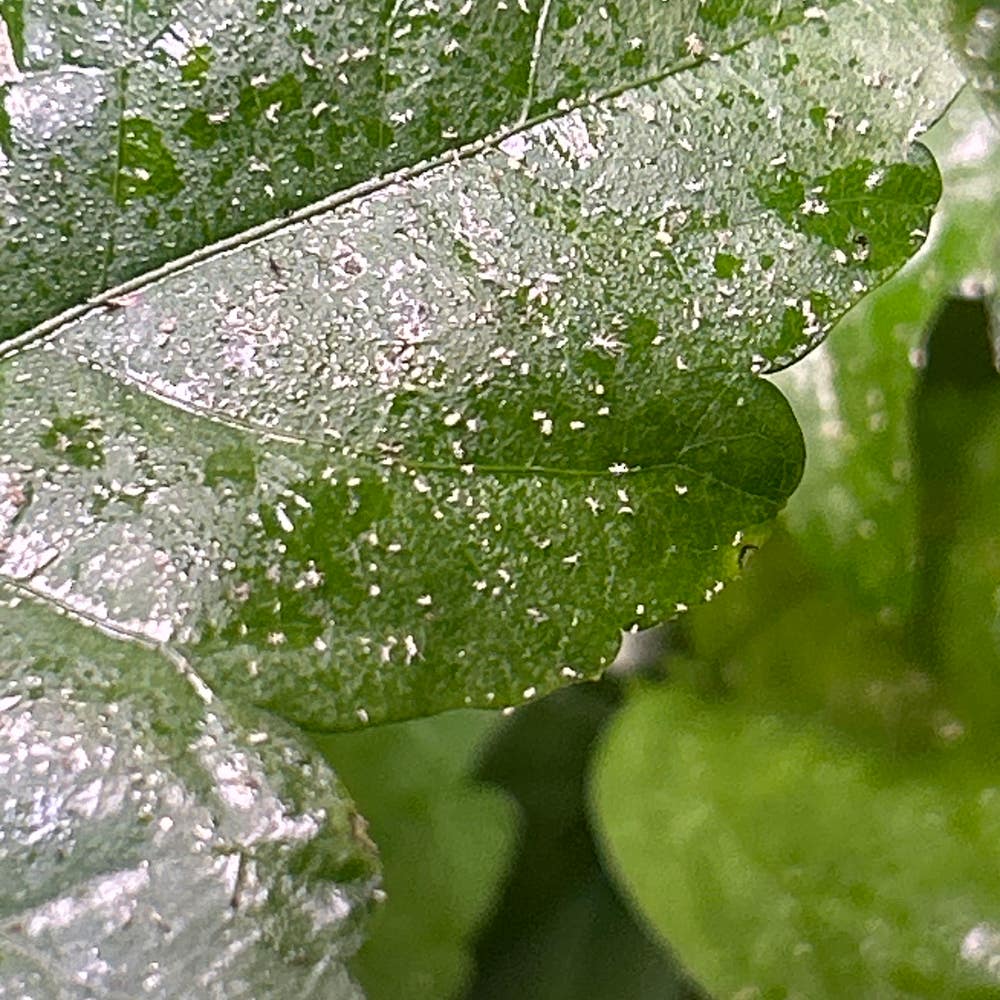
Korean Hibiscus plants can fall prey to pests and diseases that cause their leaves to drop. Spider mites and aphids are notorious for such damage, sucking the life out of leaves until they can't hold on anymore. Fungal diseases, like leaf spot and root rot, are equally destructive, often remaining unnoticed until the leaves start to fall.
💪 Fight Back Strategies
To combat these issues, vigilance is key. Regularly inspect your plant for early signs of infestation, such as sticky residue or discolored leaves. If you spot pests, a blast of water or insecticidal soap can often do the trick. For fungal diseases, improve air circulation around your plant and consider a fungicide if necessary. Always remove and destroy fallen leaves to prevent the spread of disease. Remember, a clean plant is a happy plant.
⚠️ Safety First
This content is for general information and may contain errors, omissions, or outdated details. It is not medical, veterinary advice, or an endorsement of therapeutic claims.
Always consult a qualified healthcare professional before using any plant as food, medicine, or supplement.
Never eat any plant (or feed one to pets) without confirming its identity with at least two trusted sources.
If you suspect poisoning, call Poison Control (800) 222-1222, the Pet Poison Helpline (800) 213-6680, or your local emergency service immediately.
Spotted an error? Please report it here.
Ensure your Korean Hibiscus thrives 🌺 with Greg's custom reminders for watering, climate control, and pest management, keeping those leaves proudly in place!